


The rhythms of bustling, working-class Mumbai are brought to vivid life in All We Imagine as Light. The stunning narrative debut of filmmaker Payal Kapadia explores the lives of three women in the city whose existence is mostly transit and work. Even that isn’t always enough to get by and pay the rent. One of the women, a widow, recently retired from working her whole life at a city hospital, Parvaty (Chhaya Kadam), is even facing eviction.
The other two, roommates and co-workers in the maternity ward are in different parts of life. Prabha (Kani Kusruti) has a husband from an arranged marriage who she doesn’t see and rarely speaks to. His life, we learn, is in Germany. She gets an occasional, ominous physical reminder of his existence in objects, like a fancy rice maker, that arrives one day. But she carries the weight of her arrangement everywhere, an invisible anchor on her being.
Anu (Divya Prabha) is even younger, trying to figure out what her life is going to look like and already in something of an impossible situation: She’s fallen in love with Shiz (Hridhu Haroon), who is Muslim. She’s Hindu. But in a city of over 20 million, a secret relationship can have some room to grow. Yes, they’re hiding this from their families, a burden in and of itself, but in the night markets with the city glimmering and moving around them, they’re able to just be.
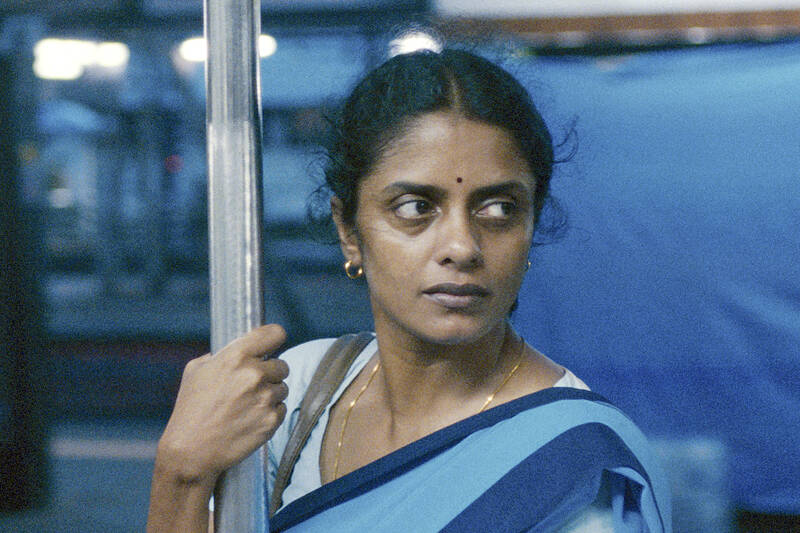
Prabha is a little judgmental of her more carefree (possibly careless) younger housemate. More companions by circumstance than friends exactly, these women have different ideas about life, but we watch as they grow closer and understand one another more. Prabha even allows herself to go for a walk with a doctor who is clearly interested in her. A small act of agency and rebellion against her circumstances.
These are not easy lives, either: Their apartment is drab and small, their activities mundane, their conversations ordinary. But even as hard as it is to exist in a place that not only doesn’t love you back, it barely even notices you, something is always happening. How can anything be truly dull in a place always thrumming with life? Far from being a maudlin, bleak affair, Kapadia makes the banal cinematic. There is a dreamlike incandescence to it all, not a rejection of reality so much as a poetic detachment from it.
And like a dream, this is a film that washes over you. The mechanisms of the plot are not really the point, we’re just moving in time with Anu and Prabha. And while Anu’s forbidden love and Prabha’s existential longing will surely come to a head at some point in their journey, the most urgent of realities is Parvaty’s unexpected housing crisis. The city is making way for more luxury high rises and pricing out the people who make everything run and work. So, they go to the sea.
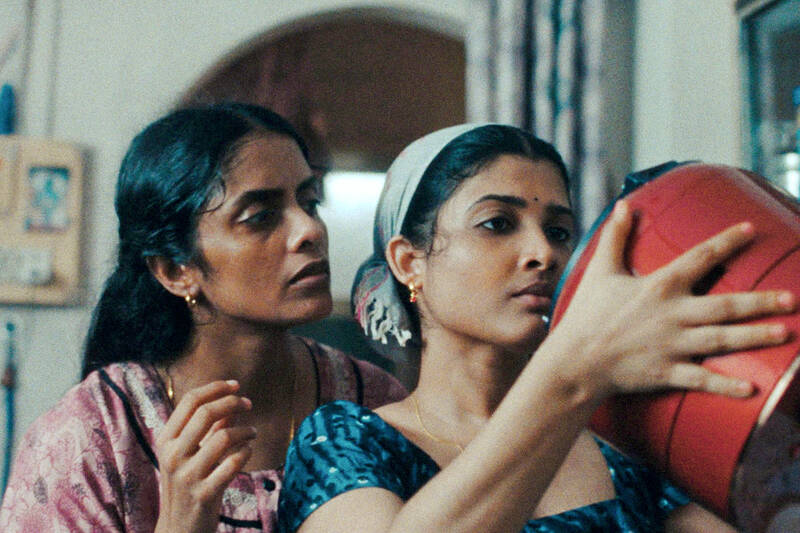
Photo: AP
Anu and Prabha accompany Parvaty on her move back to her small coastal village in the final act. Suddenly it feels like everyone can breathe. It may be a little cliche, but you really feel it in your bones as an audience member. Our characters get a release: Anu can have a truly private rendezvous with Shiz; Prabha gets to be seen, too.
All We Imagine as Light has been widely celebrated since its Cannes premiere, and Kapadia heralded as a major new talent to watch, which is just as it should be. The film is a reminder of the transcendent power of cinema, even, and perhaps especially, when not all that much is happening.
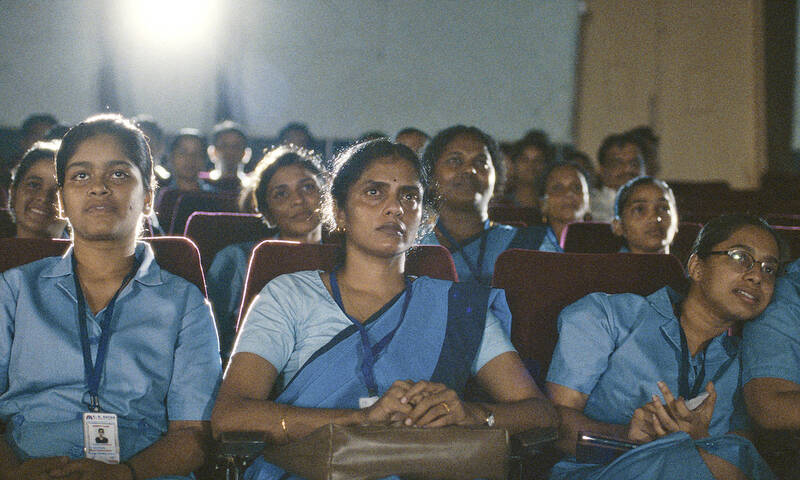
Kani Kusruti, center, in a scene from All We Imagine As Light.
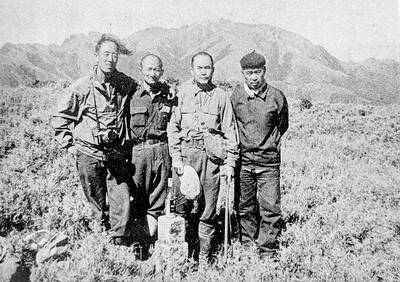
May 18 to May 24 Gathered on Yangtou Mountain (羊頭山) on Dec. 5, 1972, Taiwan’s hiking enthusiasts formally declared the formation of the “100 Peaks Club” (百岳俱樂部) and unveiled the final list of mountains. Famed mountaineer Lin Wen-an (林文安) led this effort for the Chinese Alpine Association (中華山岳協會). Working with other experienced climbers, he chose 100 peaks above 10,000 feet (3,048m) that featured triangulation points and varied in difficulty and character. The list sparked an alpine hiking craze, inspiring many to take up mountaineering and competing to “conquer” the summits. A common misconception is that the 100 Peaks represent Taiwan’s 100 tallest

Yesterday, the Democratic Progressive Party (DPP) nominated legislator Puma Shen (沈伯洋) as their Taipei mayoral candidate, the Chinese Nationalist Party (KMT) put their stamp of approval on Wei Ping-cheng (魏平政) as their candidate for Changhua County commissioner and former legislator Tsai Pi-ru (蔡壁如) of the Taiwan People’s Party (TPP) has begun the process to also run in Changhua, though she has not yet been formally nominated. All three news items are bizarre. The DPP has struggled with settling on a Taipei nominee. The only candidate who declared interest was Enoch Wu (吳怡農), but the party seemed determined to nominate anyone

In a sudden move last week, opposition lawmakers of the Chinese Nationalist Party (KMT) and Taiwan People’s Party (TPP) passed a NT$780 billion special defense budget as a preemptive measure to stop either Chinese leader Xi Jinping (習近平) or US President Donald Trump from blocking US arms sales to Taiwan at their summit in Beijing, said KMT heavyweight Jaw Shaw-kong (趙少康), speaking to the Taipei Foreign Correspondents Club on Wednesday night in Taipei. The 76-year-old Jaw, a political talk show host who ran as the KMT’s vice presidential candidate in 2024, says that he personally brokered the deal to resolve

The Chinese Nationalist Party (KMT), alongside their smaller allies the Taiwan People’s Party (TPP), are often accused of acting on behalf of the Chinese Communist Party (CCP). Some go so far as to call them “traitors.” It is not hard to see why. They regularly pass legislation to stymie the normal functioning of the ruling Democratic Progressive Party’s (DPP) administration, and they have yet to pass this year’s annual budget. They slashed key elements of the government’s proposed NT$1.25 trillion (US$40 billion) special military budget, and in the smaller NT$780 billion package they did pass, it is riddled with provisions that


 RSS
RSS