


It may be known as “the most wonderful time of the year,” but Christmas might also be the most wasteful. Each December, a surge in holiday spending creates a tsunami of food waste, unwanted presents, turfed single-use decorations and plastic trees likely to languish in landfill for centuries.
As the season gains speed, six sustainability advocates discussed simple swaps you can make to rethink Christmas traditions and reduce your carbon footprint — as well as save a few dollars too.
SECONDHAND SECRET SANTA
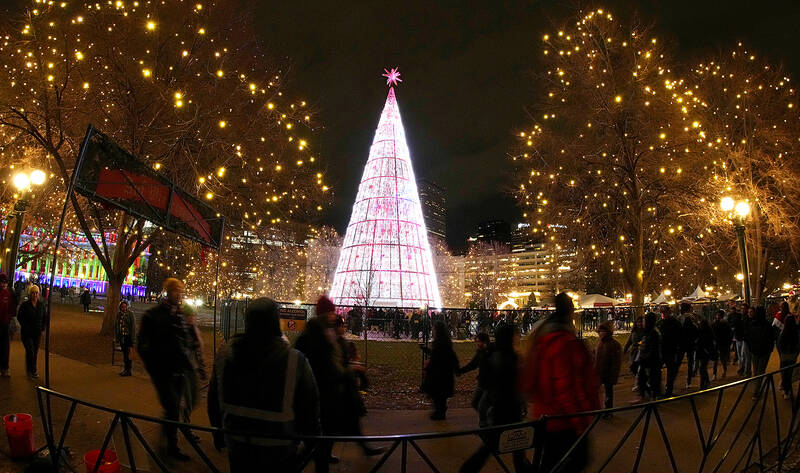
Photo: AP
Billions of people expect to receive Christmas presents this year that they will never use or wear. While some families forego gift-giving altogether, particularly among adults, if that seems too Scrooge-esque for your liking, there are ways to give more sustainably.
It can be as simple as asking people what they need.
“We’ve been conditioned to surprise people with things … but the most eco-friendly gift is something that people actually want and will use,” says Melbourne zero waste author Erin Rhoads.
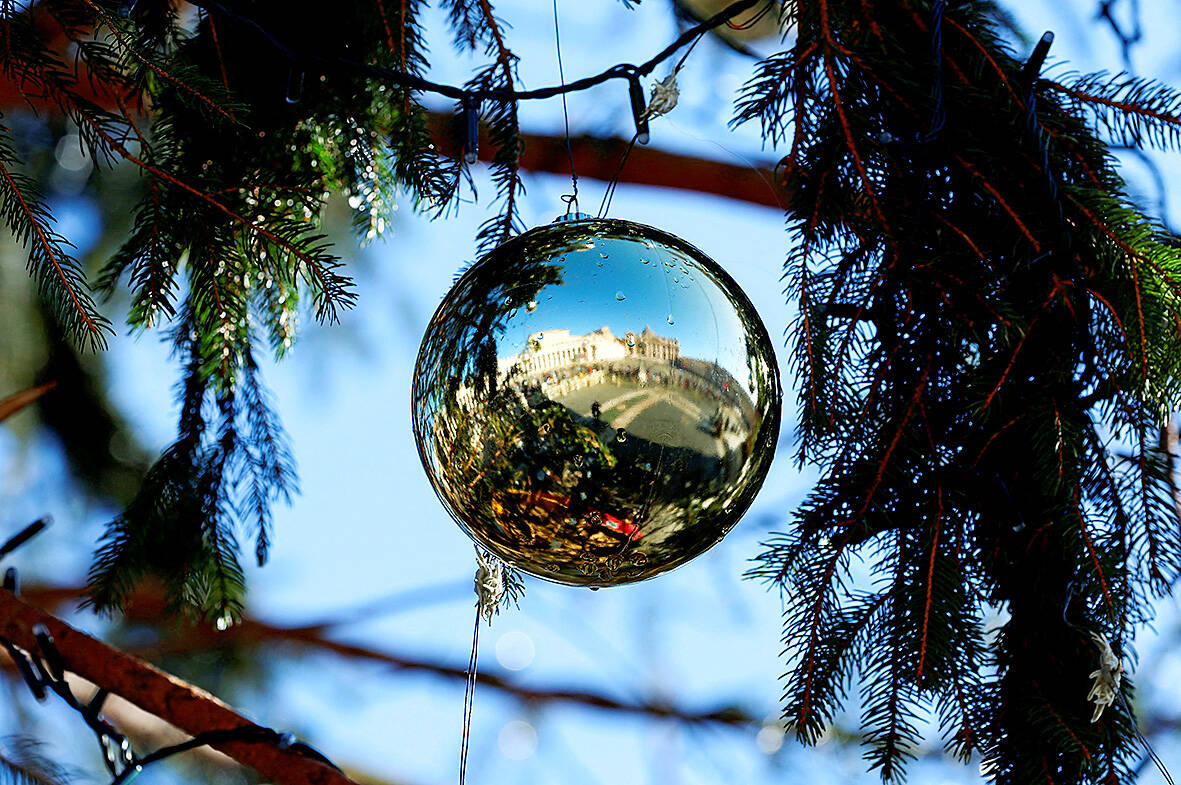
Photo: Reuters
Rhoads also advocates normalizing gifts sourced second-hand via thrift shops, eBay or Facebook Marketplace. A “secondhand Secret Santa” can be a way of swapping fun gifts without generating more stuff.
Other low-impact presents include experiences or memberships. But even groceries could be a welcomed gift amid the current cost-of-living crisis.
“That’s what my mother-in-law will end up doing for us,” Rhoads says.
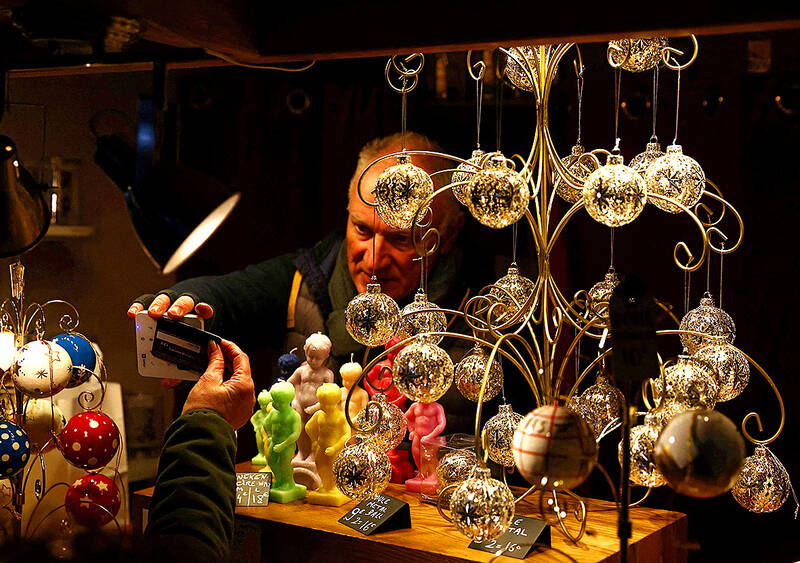
Photo: Reuters
CHRISTMAS TREE
A two-meter-tall fake tree is responsible for about 40kg of greenhouse gas emissions and, once discarded, will linger for a long time in landfill. While freshly cut real trees also have an environmental impact, they are at least compostable.
In Adelaide, chef and “minimal consumption” advocate Jessie Spiby used to grab a fallen branch from her local park and decorate that each year. Since having a baby, she’s swapped to a potted pine tree that lives outside year-round, bar December.
“We’ve decided this will be our Christmas tree forever — if I can keep it alive,” Spiby says. Help ensure a longer lifespan by gradually reintroducing your potted pine to the outdoors via a shady spot after Christmas and repotting it every couple years.
OVERFLOWING FRUITBOWLS
Throughout the year, one in three Aussie households waste the equivalent of a shopping bag full of food each week — and this food waste skyrockets even higher during the holiday season.
The problem starts at the supermarket, where shoppers are seduced by Christmas promotions, says Melbourne produce expert and author Thanh “The Fruit Nerd” Truong.
“They’re designed for you to purchase more volume, not necessarily to give you the best deal,” he says. “When the regular price is US$4 and it’s two for US$6, that’s very alluring. But will you be able to consume all that food in time?”
Avoid putting fresh produce into your fridge “naked,” Truong says. Refrigerating food properly by covering it with a (reusable) bag or container can prolong its life — by as much as double in the case of fruit.
“Don’t put your fruit in the same bowl and don’t serve them on the same plate — even just putting two plates at each end of the table is enough distance to stop the ethylene from one fruit type causing another to ripen more quickly.”
EPIC SANDWICHES
Be specific when asking a guest to bring a plate, Spiby says, to avoid double ups and food waste. Rhoads recommends nudging your guests in the right direction by clearly labeling compost and recycling bins and placing them near high foot-traffic areas, while moving the landfill bin further away.
Pre-planning a go-to list of meals can help make your Christmas leftovers more palatable. Omelets, savoury tarts, wraps, pasta and pies are all great “use it up” options. Or keep it simple.
“We’re all about epic sandwiches and grazing plates,” Spiby says.
If you’re travelling for Christmas, check your local bin etiquette before dumping any leftovers.
“We’re lucky in Australia and particularly in Adelaide because our [council-supplied] green bins can take food scraps, bones, oily things, paper napkins and even Christmas wrapping paper that doesn’t have plastic on it.”
DIY DECORATIONS
Tasmanian low-waste family living advocate Lauren Carter suggests making your own decorations as a way of creating new traditions. “We’ve used the same decorations for years,” Carter says. “Some have hilarious backstories that we reshare each year.”
She recommends using natural materials that are compostable at their end of life, such as wool, cotton, wood, paper and even plants and flowers from the garden or neighborhood. Tasmania-based permaculture expert and author Kirsten Bradley’s family makes a wreath from foraged plants each December to hang above their fireplace.
‘RUG UP’ THOSE GIFTS
Aussies use more than 150,000km of wrapping paper at Christmas. If you must wrap, avoid paper with glitters, dyes and plastic lining to ensure it’s compostable or recyclable. Or try wrapping gifts in scraps of fabric or op-shopped scarves as a fully reusable option. Melbourne sustainable style advocate
Leeyong Soo says it might also be a chance to try your hand at the Japanese art of furoshiki wrapping.
While many of these Christmas swaps constitute small changes, they can spark meaningful conversations that lead to further positive change, says Rhoads.
“It doesn’t mean you’re going to spend your Christmas giving a lecture about the environment,” she says. “But you can give a simple reply and it might get that person thinking. That’s how we normalize these shifts in our behavior.”
Ajay Verma, a consultant gastroenterologist at Kettering general hospital in Northamptonshire, says our gut is a “complex machine.” “It is constantly providing us with the nutrition we need, initially to grow and develop, and then for us to survive, thrive and repair from injury and illness.” How can we keep it functioning well? Put simply: “Make sure what you put into it is balanced, and that you clear out its waste products adequately,” Verma says. “In a general gastroenterology clinic, the most common conditions we see are irritable bowel syndrome (IBS), gastroesophageal reflux disease, inflammatory bowel disease and constipation,” says Nisha
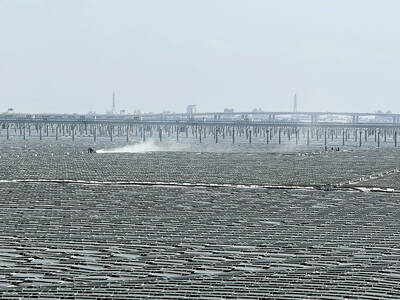
The arithmetic is straightforward and uncomfortable. By the end of 2025, Taiwan had committed itself to a 50-30-20 electricity mix — half natural gas, 30 per cent coal, 20 per cent renewables. The Ministry of Economic Affairs’s (MOEA) own monthly energy reports tell a different story. Natural gas reached 47.8 per cent of generation last year. Coal stood at 35.4 per cent, comfortably above its target ceiling. Renewables came in at 13.1 per cent, well short of the 20 per cent Taipei had pledged a decade earlier. Installed renewable capacity reached roughly half of the 12 gigawatts (GW) the government

Last week US President Donald Trump was asked by a reporter whether he would speak on the phone to the President of Taiwan. “l’ll speak to him. I speak to everybody. We have that situation very well in hand,” Trump said. This marked the second time in a couple of weeks he had said he would talk to the President of Taiwan. In 2016 he famously took a call from then-president Tsai Ing-wen (蔡英文), when he was president-elect. Despite warnings that the apocalypse was nigh because of a phone call, the world quickly forgot about the conversation between two democratically-elected presidents.
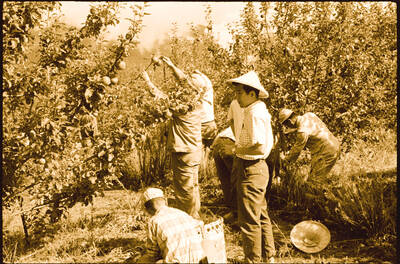
May 25 to May 31 Few believed that apples could be cultivated on a commercial scale in Taiwan’s high mountains. When horticulturalist Cheng Chao-hsiung (程兆熊) first proposed the idea in 1955, both American and Taiwanese colleagues dismissed it as implausible, arguing that temperate fruit could not be reliably grown on a subtropical island, especially on rugged terrain. However, it was this terrain in the Central Mountain Range where many Chinese Civil War veterans were resettled in the late 1950s. With limited job prospects and no family in Taiwan, they were placed on cooperative farms aimed toward self-sufficiency. Some say the conditions


 RSS
RSS