


Ajay Verma, a consultant gastroenterologist at Kettering general hospital in Northamptonshire, says our gut is a “complex machine.”
“It is constantly providing us with the nutrition we need, initially to grow and develop, and then for us to survive, thrive and repair from injury and illness.”
How can we keep it functioning well? Put simply: “Make sure what you put into it is balanced, and that you clear out its waste products adequately,” Verma says.
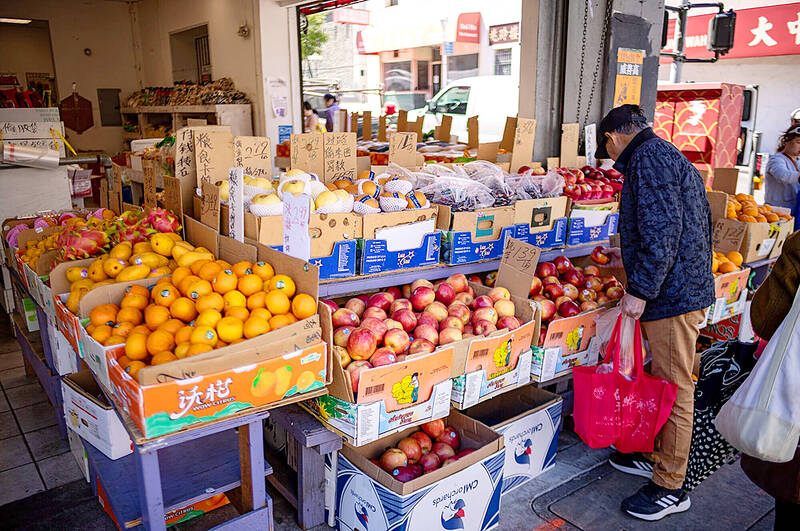
Photo: Bloomberg
“In a general gastroenterology clinic, the most common conditions we see are irritable bowel syndrome (IBS), gastroesophageal reflux disease, inflammatory bowel disease and constipation,” says Nisha Patel, a consultant gastroenterologist and interventional endoscopist at Imperial College healthcare NHS trust in London. “A healthy gut is built on three main things: balance, diversity and routine.”
GIVE YOUR GUT A BREAK
The starting point for good gastric health is focusing on a diet that is high in fiber, fruit, vegetables, legumes and wholegrains, says Patel, and avoiding irritants: “alcohol, caffeine, fatty or spicy foods and artificial sweeteners. We know that large, late meals can also trigger gastrointestinal symptoms.”

Photo: AFP
Ultimately it is about “everything in moderation and giving your gut a break sometimes,” says Verma. “If you’ve had a heavy, rich meal one day, then the next day have something a bit lighter, so it can recover from the excesses.”
“Studies have shown that a Mediterranean diet leads to better digestive health,” says Nurulamin Noor, a clinical lecturer in gastroenterology at the University of Cambridge and Cambridge University Hospitals. “So eat plenty of fruit, vegetables and fish, and try to reduce or have a low intake of processed foods, high dairy foods and red meats.”
What are some of the best things to eat to aid digestion?

Photo: Reuters
“Kiwi is one of the most effective dietary interventions for constipation,” says Verma. “We also recommend linseeds or flax seeds, because these are low-cost, natural laxatives that are very well tolerated. Stir them into yogurt with some fruit.”
FIBERMAXXING
It is likely that you aren’t consuming enough fiber.
“Over 90 percent of Americans don’t meet their fibre goals,” says Wendi LeBrett, a California-based gastroenterologist; a 2023 report found that 96 percent of British people aged 11 and up don’t eat enough fiber, either. The accepted recommendation is 25-35g of fibre per day depending on your size, and a few servings of fruit will help you on your way, LeBrett says: “An apple has about 4g of fibre. Then for lunch or dinner, a serving of beans can get you 5-6g of fiber.”
From almonds to broccoli to oranges, you often have to consciously choose fiber to meet the target, says LeBrett. “Some people need to take a fibre supplement to reach that goal.”
If you don’t have digestive issues, it is still well worth trying to max out on fiber.
“We know there is a strong association between how much fiber you have and a lower risk of getting colon cancer,” says LeBrett. “It feeds your gut microbiome, and that plays a role in your mood, skin and many other factors around your body. Fiber has been shown to be beneficial for cardiometabolic health: it helps with blood sugar regulation, cholesterol and overall heart health.”
For those focusing on protein, Verma says: “You may be having more protein in your diet to help with muscle building and the way your body functions, but that may mean you reduce how much fibre you have.”
Again, being mindful of balance is key; add more fiber where necessary, says Verma.
More fiber can help to deal with wind, too.
“Wind to a degree is a normal phenomenon as we digest our food,” says Verma. “If you have a lot of wind, it is probably because you’ve got stuff sat in your bowels for longer than it needs to be. Increase the amount of fibre in your diet to clear your bowels as much as possible.”
CUT DOWN ON UPFS
“We’re in a bit of a mess with bowel cancer,” says Verma. “We are seeing more and more people with these cancers under the age of 50, with high profile-cases such as Deborah James and Adele Roberts. We are still not fully sure why these cancers are rising among younger people, but some have suggested, without concrete evidence, that ultra-processed foods (UPFs) may be a component of that.”
“It is virtually impossible to have a UPF-free diet,” continues Verma. “Having a burger is not a terrible thing: having a burger twice a day, every day for a week, is a problem. Make sure you are having regular meals, that a proportion of them are fresher, and you have plenty of fruit and vegetables, so you are getting all the vitamins and minerals you need.”
And take up bowel cancer screenings when offered, says Verma.
“In the UK, individuals aged 50-74 will be sent a national screening fecal immunochemical test (a poo test for blood) every two years and, if positive (even if with no concerning symptoms), they will be offered an urgent colonoscopy.”
EAT LIKE A GUT DOCTOR
What do gastroenterologists eat and avoid, knowing what they do?
“I eat a varied, plant-rich, low-sugar, moderate-fat, low-UPF diet, avoiding too much alcohol,” says Patel. “It sounds boring, but I try not to make it boring. I never say no to things; I will eat pizza very happily. It is all about balance. Life’s got to be fun.”
Noor focuses on a healthy, Mediterranean-style diet and tries to restrict having takeaways and processed foods.
Meanwhile, LeBrett says that what she restricts is processed meats, like sausage, bacon and ham: “We know that they have a strong colorectal cancer risk, so I try to limit that. But sometimes I really want bacon in my sandwich, and once in a while is fine. I don’t buy it to cook at home.”
AVOID TOXINS
Aside from UPFs and alcohol, there are other things that can be harmful to the gut, says LeBrett, “such as certain types of medications, like nonsteroidal anti-inflammatory drugs.”
She also advises against the overuse of antibiotics.
“Smoking can cause reflux and increase the risk of bowel cancer,” says Verma.
CLEAR OUT YOUR BOWELS
“We must make sure that, when we poo, we clear out the bowels properly,” says Verma.
You should feel empty, and not gassy or bloated.
“Like any machine, if the waste product doesn’t clear, then that machine might not work as well as you’d want it to.”
Squat stools help to “open up the bowel, allowing easier defecation,” Verma adds. “Some swear by them.”
How often is “normal” varies greatly.
“This is one of the most common questions I get asked,” says Patel. “People come in saying, ‘What is normal? Because I’m sure this can’t be right.’ But normal really is a range, and it might vary, anywhere from three times a day to three times a week. Any of those will be healthy if it’s your usual pattern.”
DEAL WITH STRESS
“We know that the gut and brain are in constant conversation,” says Patel. “Stress can speed up or slow down gut motility. It can heighten pain sensitivity, and trigger bloating and cramping. In some people, it can alter the microbiome as well. It is often why people feel symptoms during certain stressful periods. Managing stress isn’t soft advice: it really is the core of good health.”
To address stress, Patel advocates “slow, diaphragmatic breathing exercises that affect the nerves and signal to the gut to slow down or speed up, depending on the symptoms. Failing that, we suggest cognitive behavioral therapy and gut-directed hypnotherapy.”
“We’re only starting to scratch the surface on how important the brain-gut connection is,” says LeBrett. “There are certain conditions, like IBS or functional dyspepsia, where we think that there is an issue with how the brain and the gut communicate. People always quote the fact that there are more serotonin receptors in your gut than there are in your brain. The same hormones and neurotransmitters that affect the brain can also impact the gut.”
STAY HYDRATED
Hydration is one of the simplest, underrated ways to stabilize digestion, says Patel, “particularly when the gut is sensitive to stress. Water softens the stool and supports the smooth movement of stools through the colon, so low intake obviously causes harder stools, which affects draining and you get bloated.”
Although 1.5-2 liters a day might sound like a lot, this includes coffee, fruit, soups and other food.
“I have a bottle that tells me to drink 150-200ml every hour, so I maintain my hydration that way,” says Patel.
MOVE YOUR BODY
“Movement is really important in promoting digestion,” says LeBrett. “I always recommend walking after a meal if you’re able to. I walk after dinner; it helps to promote digestion and gets your body ready for sleep and rest as well.”
Exercise-wise, the recommendation is 150 minutes a week — “not specifically for the gut per se, but for the body generally,” Patel says. “Core strengthening exercises, such as pilates and yoga, help with the diaphragmatic breathing and to regulate the gut/brain axis.”
BRUSH YOUR TEETH
“The digestive tract is anywhere from your mouth to your bottom end,” says Noor. “We know that oral health is really important and probably has a major role in diseases lower down the gut, but it is relatively underappreciated.”
To be on the safe side, good oral health care, brushing, flossing and seeing the dentist are advisable.
GET ENOUGH SLEEP
The gastroenterologists all stress the importance of prioritizing sleep. LeBrett has researched the impact of sleep on digestion: “Studies show that, in patients with IBS who had poor sleep, it was associated with worsened symptoms the next day.”
DITCH THE PROBIOTICS
“Some people swear by probiotics,” says Verma, “but we don’t have compelling evidence that they can be used for a wide variety of conditions. Probiotic yoghurt drinks are not expensive, so if someone taking them feels well on them, then it’s not an unreasonable step.”
“It is more important to focus on prebiotics,” adds LeBrett. “The food that we eat — fruit, vegetables, wholegrains, legumes — that the microbiome thrives on.”
SEE A DOCTOR WHEN …
“We can all have stomach bugs and get a bit of bleeding if we’ve got a sore bottom,” says Verma. “But if you have rectal bleeding or a change in your bowel habits that persists for three to four weeks or more, then you should get that checked out. Another red flag symptom is unintentional weight loss. If you suddenly lose half a stone (over 3kg), then it is always worth seeking medical advice.”
DON’T BE EMBARRASSED
Patients often apologise when they’re talking about digestive symptoms, says Patel, but “we talk about it every day, and there is really no embarrassment on our side. It is only a desire to help people feel better, put their mind at ease and to rule out anything serious. I always say to my patients that their symptoms really do matter, and they deserve to feel well. Getting help early is always the best step.”
Maybe don’t loo-scroll
“There was a study that found scrolling on the toilet and smartphones in the toilet increases your risk of haemorrhoids, and can also cause pelvic floor dysfunction,” says LeBrett. “I won’t say I never do it, but it is something I try not to do. Plus, it’s not very hygienic to have your phone in the bathroom.”
But Verma has a more relaxed approach: “A direct link between phone use and bowel issues has not been proven and perhaps may be a simple association. Those who need to spend a lot of time in the loo will often use their phone to pass the time.”

And so, in the wake of US President Donald Trump’s trip to the People’s Republic of China (PRC), all the experts on the Strait of Hormuz suddenly became experts on US-China-Taiwan relations. The Internet has certainly expanded human knowledge. Lots of these sudden experts made noise this week about Trump’s words after the meeting with PRC dictator Xi Jin-ping (習近平). Trump is going to sell out Taiwan! Longtime Taiwan commentator J. Michael Cole summed the situation up neatly in the Guardian: “We need to keep in mind that he has a tendency to say many things — sometimes contradicting himself within

There is considerable frustration and confusion among many, both in Taiwan and abroad — including in Washington — as to why the Chinese Nationalist Party (KMT) seems so dead set on using their legislative leverage to slash defense spending and disrupt the ability of the ruling Democratic Progressive Party (DPP) administration to function. Are they pawns of the Chinese Communist Party (CCP)? Are they traitors? In reality, there are multiple reasons. In the first column in this series on this subject, “Donovan’s Deep Dives: How and why the TPP and KMT help Beijing” (Sat May 16, page 12), we examined three

It took 12 years and months of standing in the same mountain location for director Liang Chieh-te (梁皆得) to capture a few seconds of footage: Taiwan’s largest resident raptor locking talons with its mate and spinning through the air in a courtship ritual. With only about 1,000 left in the wild and very short flight windows, the mountain hawk-eagle remains among Taiwan’s most elusive birds. The species generally produces only one offspring per year. Using forest cameras, the film crew and research teams document the arduous process the monogamous pairs go through for the chick to hatch and grow up, weathering
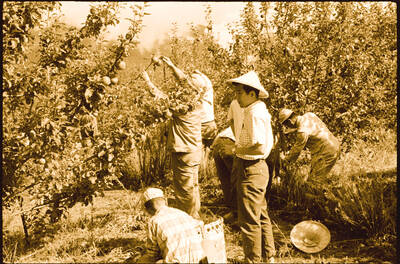
May 25 to May 31 Few believed that apples could be cultivated on a commercial scale in Taiwan’s high mountains. When horticulturalist Cheng Chao-hsiung (程兆熊) first proposed the idea in 1955, both American and Taiwanese colleagues dismissed it as implausible, arguing that temperate fruit could not be reliably grown on a subtropical island, especially on rugged terrain. However, it was this terrain in the Central Mountain Range where many Chinese Civil War veterans were resettled in the late 1950s. With limited job prospects and no family in Taiwan, they were placed on cooperative farms aimed toward self-sufficiency. Some say the conditions


 RSS
RSS