


Cooped up like many of us, movie stars, politicians and reality show types eager to hold onto their fans are turning to podcasts to get through the pandemic, converting their homes — even a bathroom in one case — into makeshift recording studios.
There is something out there for everyone: While Demi Moore, with her trademark raspy voice, headlines an erotic podcast called Dirty Diana, Jamie Lee Curtis and Matthew McConaughey read stories for kids.
Former first lady Michelle Obama talks about personal issues in a podcast called simply The Michelle Obama Podcast, while actors Jason Bateman, Sean Hayes and Will Arnett interview other celebrities on one called SmartLess.
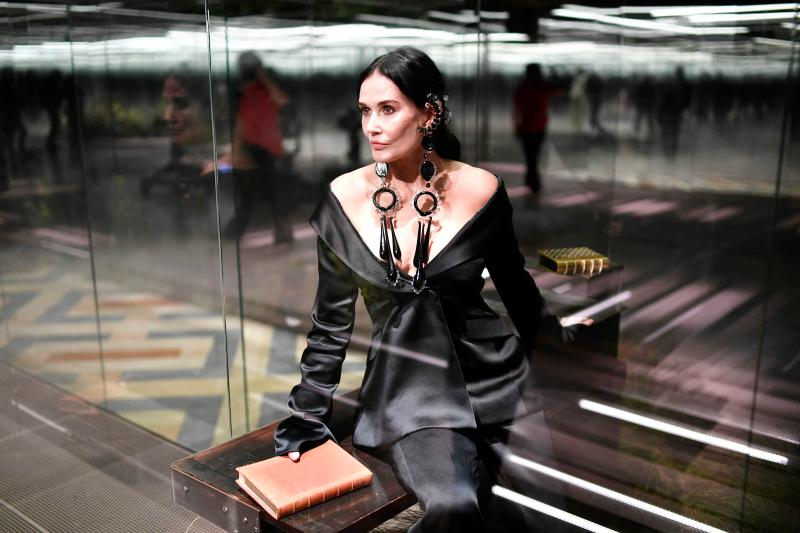
Photo: AFP
Donald Trump’s former personal lawyer, Michael Cohen, has been waging a crusade against him since September in a podcast called Mea Culpa.
Prince Harry and Meghan Markle have one, too. The first episode featured contributions from prominent people talking about how they are coping with the pandemic and what they are learning from it.
Reality show stars are also in on the craze. Paris Hilton is scheduled to launch a podcast at the end of this month through radio giant iHeartMedia and Kim Kardashian will sign a deal this summer with Spotify to develop a show on criminal justice reform, a cause in which she has been active.
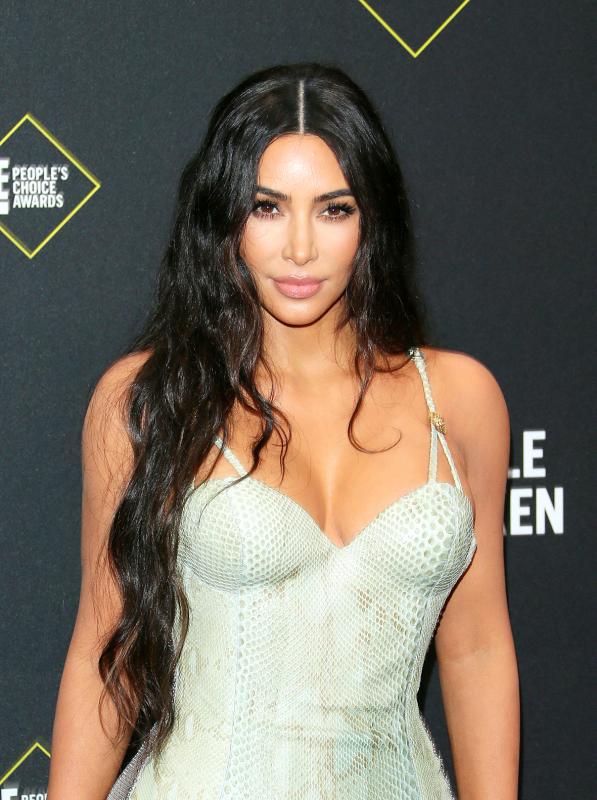
Photo: AFP
While podcasts with stars are nothing new, their sudden abundance is a natural consequence of the COVID-19 crisis, said Nicholas Quah, creator of a blog called Hot Pod.
With Hollywood largely shut down because of the pandemic “so many of these celebrities are unable to get television or film productions going,” he said
“This is an opportunity for these people to still reach fans and reach people.”
NO NEED FOR A SET
Many are drawn by the flexibility of podcasts because there is no need for a set or camera or special wardrobe, and doing them is safe COVID-wise.
For the sexy podcast Dirty Diana, co-produced by media and podcast company startup QCODE, the actors recorded themselves at home, the company’s co-founder Rob Herting said. For the best sound, he said, “they had to find a great room in their house. And for Demi it was the bathroom. It ended up being a lot of fun and we certainly have had other actors recording in closets, or whatever has the best acoustics.”
What is more, podcasts can be made relatively quickly and cheaply.
Dirty Diana, for instance, was recorded in May and released in July, whereas once a movie is shot it can take a couple of years for it to come out.
The average budget for a QCODE podcast, some of which feature Oscar-winning actors such as Rami Malek, is in the low to mid six-figures, while even a low budget movie needs maybe a million dollars, said Herting. Revenue from the podcast industry is still far smaller than that of movies, TV or music, even if podcasts are all the rage now.
Ad revenue from podcasts should rise by 15 percent last year, once figures are in, and approach a billion dollars, said a study published in July by PricewaterhouseCoopers.
“This is now a space that some entertainment industry people see as a worthwhile investment. And that was not necessarily a 100 percent the case previously,” Quah said.
“It’s bad in the sense that a lot of the advertiser money which would have been going to people who where in the space for the long term ends up going to them first,” he said, referring to the celebrities.
STAYING IN THE LIMELIGHT
“I think most celebrities that come in, they would probably think that it’s an extension of their brand,” said Quah.
“It’s just for the celebrity to stay in your attention, whether they’re going to sell you a book or not, as long as they still have your attention,” he added.
However, podcast studios like projects with stars because their fans guarantee an audience and these shows offer the possibility of being adapted to film or TV.
Amazon, for instance, is getting ready to turn Dirty Diana into a TV series starring Moore.
But will the podcast boom last after pandemic lifestyles end and stars go back to making movies and such?
Yes, says Herting.
“The time commitment for an actor is just so low,” said this boss of QCODE, which plans to launch more than a dozen star-studded podcasts in the coming year.
But Colin Anderson of Stitcher, which produces a comedy podcast featuring the actor Rob Lowe, warns of the risk of saturation of “just famous people talking to other famous people.”
“Celebrities are going to have to be more creative with the podcasts they launch and give people a more compelling reason than just their celebrity to subscribe,” said Anderson.
Ajay Verma, a consultant gastroenterologist at Kettering general hospital in Northamptonshire, says our gut is a “complex machine.” “It is constantly providing us with the nutrition we need, initially to grow and develop, and then for us to survive, thrive and repair from injury and illness.” How can we keep it functioning well? Put simply: “Make sure what you put into it is balanced, and that you clear out its waste products adequately,” Verma says. “In a general gastroenterology clinic, the most common conditions we see are irritable bowel syndrome (IBS), gastroesophageal reflux disease, inflammatory bowel disease and constipation,” says Nisha
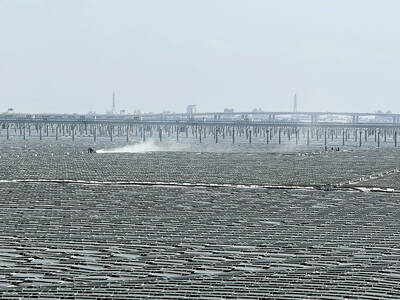
The arithmetic is straightforward and uncomfortable. By the end of 2025, Taiwan had committed itself to a 50-30-20 electricity mix — half natural gas, 30 per cent coal, 20 per cent renewables. The Ministry of Economic Affairs’s (MOEA) own monthly energy reports tell a different story. Natural gas reached 47.8 per cent of generation last year. Coal stood at 35.4 per cent, comfortably above its target ceiling. Renewables came in at 13.1 per cent, well short of the 20 per cent Taipei had pledged a decade earlier. Installed renewable capacity reached roughly half of the 12 gigawatts (GW) the government
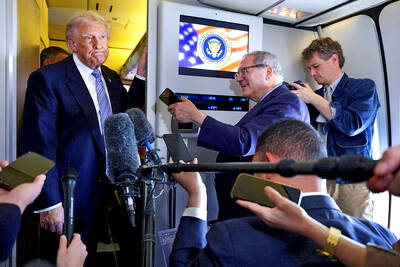
Last week US President Donald Trump was asked by a reporter whether he would speak on the phone to the President of Taiwan. “l’ll speak to him. I speak to everybody. We have that situation very well in hand,” Trump said. This marked the second time in a couple of weeks he had said he would talk to the President of Taiwan. In 2016 he famously took a call from then-president Tsai Ing-wen (蔡英文), when he was president-elect. Despite warnings that the apocalypse was nigh because of a phone call, the world quickly forgot about the conversation between two democratically-elected presidents.
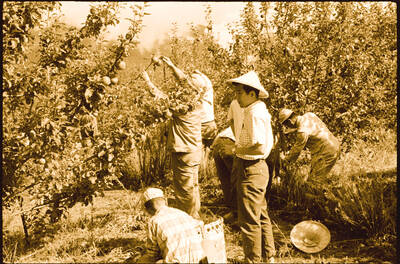
May 25 to May 31 Few believed that apples could be cultivated on a commercial scale in Taiwan’s high mountains. When horticulturalist Cheng Chao-hsiung (程兆熊) first proposed the idea in 1955, both American and Taiwanese colleagues dismissed it as implausible, arguing that temperate fruit could not be reliably grown on a subtropical island, especially on rugged terrain. However, it was this terrain in the Central Mountain Range where many Chinese Civil War veterans were resettled in the late 1950s. With limited job prospects and no family in Taiwan, they were placed on cooperative farms aimed toward self-sufficiency. Some say the conditions


 RSS
RSS