


The Tsou tribe is one of the smallest Aboriginal tribes in Taiwan, with a total population of its two branches in Chiayi and Kaohsiung counties numbering less than 6,000. Decimated by imported diseases and assimilated into larger tribes and more recently into Chinese society, it's something of a miracle that any vestiges of traditional Tsou life remain.
However, a vigorous effort over the past decade to revive and reinstate the tribe's language and rituals into its everyday life has saved many of the tribe's unique ceremonies from disappearing into history.
On Monday and Tuesday a traveling troupe from the Sha-a-lu-a, southern sub-tribe of the Tsou, will give audiences in Taipei a rare opportunity to witness the Maitungusu, a post-harvest ceremony that combines dance and song to thank the god Takiaru for bountiful harvests, successful hunting and protection from natural disaster.
As one of the most solemn rituals in Tsou culture, it was previously held only once every two or three years by decree from village elders. But, under Japanese rule and then the KMT regime, the Maitungusu wasn't held for decades. In 1993 the oldest members of the tribe worked together to piece together the different elements of the ritual, which is now held every year in January.
The Tsou believe that three of its warriors volunteered to kill a second sun that was scorching the earth and were dispatched by clan leaders, each carrying a young boy on his back, to carry out their task. The original three warriors died of old age on their long journey and it was their sons who eventually killed the second sun and returned home as withered old men. The moon, according to this folklore, is the dead second sun-drained of its blood. Elements of this myth are brought out in the dances and chants of the Maitungusu.
For your information :
What: Tsou Tribal Performance When: Monday and Tuesday Where: Taiwan Cement Building, 3F, 113, Sec. 2, Zhongshan N Rd, Taipei (
Tickets: NT$350, available at the venue.

This is the year that the demographic crisis will begin to impact people’s lives. This will create pressures on treatment and hiring of foreigners. Regardless of whatever technological breakthroughs happen, the real value will come from digesting and productively applying existing technologies in new and creative ways. INTRODUCING BASIC SERVICES BREAKDOWNS At some point soon, we will begin to witness a breakdown in basic services. Initially, it will be limited and sporadic, but the frequency and newsworthiness of the incidents will only continue to accelerate dramatically in the coming years. Here in central Taiwan, many basic services are severely understaffed, and
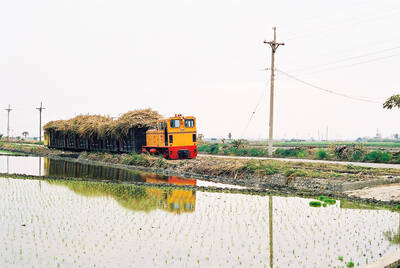
Jan. 5 to Jan. 11 Of the more than 3,000km of sugar railway that once criss-crossed central and southern Taiwan, just 16.1km remain in operation today. By the time Dafydd Fell began photographing the network in earnest in 1994, it was already well past its heyday. The system had been significantly cut back, leaving behind abandoned stations, rusting rolling stock and crumbling facilities. This reduction continued during the five years of his documentation, adding urgency to his task. As passenger services had already ceased by then, Fell had to wait for the sugarcane harvest season each year, which typically ran from
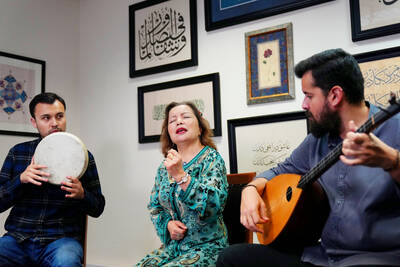
It is a soulful folk song, filled with feeling and history: A love-stricken young man tells God about his hopes and dreams of happiness. Generations of Uighurs, the Turkic ethnic minority in China’s Xinjiang region, have played it at parties and weddings. But today, if they download it, play it or share it online, they risk ending up in prison. Besh pede, a popular Uighur folk ballad, is among dozens of Uighur-language songs that have been deemed “problematic” by Xinjiang authorities, according to a recording of a meeting held by police and other local officials in the historic city of Kashgar in

It’s a good thing that 2025 is over. Yes, I fully expect we will look back on the year with nostalgia, once we have experienced this year and 2027. Traditionally at New Years much discourse is devoted to discussing what happened the previous year. Let’s have a look at what didn’t happen. Many bad things did not happen. The People’s Republic of China (PRC) did not attack Taiwan. We didn’t have a massive, destructive earthquake or drought. We didn’t have a major human pandemic. No widespread unemployment or other destructive social events. Nothing serious was done about Taiwan’s swelling birth rate catastrophe.


 RSS
RSS