


Let’s just admit it. It’s spring, so that means it’s the time of the year when we organize Easter egg hunts for our children — though the main motivation is that we want to bake and indulge in as many cupcakes and goodies as we can. That being said, sweet tooths and foodies will be happy to know that the Hsinchu Easter Market is back for the second year in the row — though a little late. There will be face painting, Easter egg hunts and an egg-and-spoon race for the kids tomorrow, so adults can sample the home-baked pastries and peruse various handmade arts and crafts at their leisure.
Organized by Michello de Beer and Amor de Kock, two South Africans who have been living in Taiwan for seven years, the market is meant to foster a sense of community.
As de Beer tells the Taipei Times, the purpose is “to bring the people of Hsinchu together for a day of great food and company. It’s always great to see how the people of Hsinchu, Taiwanese and foreigners alike, shop up a storm and try different food from across the world.”
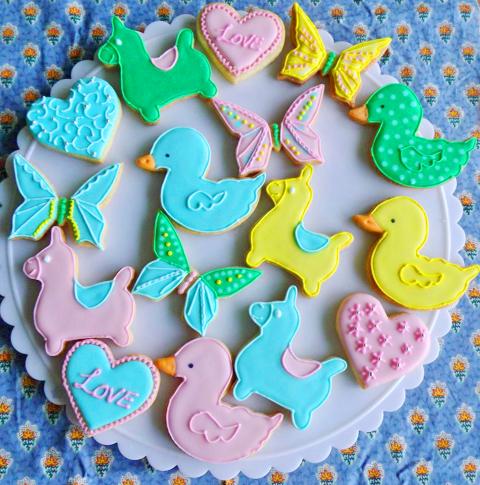
Photo courtesy of Michello de Beer
So far, the duo has organized two Christmas markets in addition to last year’s Easter market. The first Christmas market, which was launched in December 2013, was inspired by the food and crafts markets de Beer and de Kock experienced back home.
“We were very homesick and decided to try our hand at hosting the first Hsinchu Christmas market,” says de Beer. “The kids definitely enjoyed Santa the most, seeing as he is so hard to find around Christmas time [in Taiwan].”
What started out as a small affair (12 vendors and 150 attendees at the first Christmas market) has grown into a large-scale community event, with more than 25 vendors and over 400 people projected to attend tomorrow’s market. De Beer says that they come for the food — South African sausage rolls, chicken pies, curries and rice, hummus, crepes, Cognac date bars and endless dessert options — as well as homemade knick-knacks like soaps and beauty products, artwork and jewelry. There will also be a raffle with donated items from vendors and businesses. The vendors hail from places like France, Argentina and Russia (and, of course, Taiwan), to name a few countries, so visitors can expect an eclectic vibe.
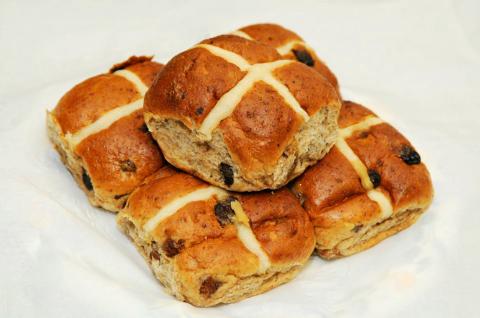
Photo courtesy of Michello de Beer
“The atmosphere is intoxicating with so many happy faces and laughter, and background music to set just the right mood,” says de Beer.
If you’re looking for an excuse to eat pies and cupcakes this weekend while someone else babysits the kids, then the Easter market is the place to be. The location is near Hsinchu Train Station, which is only a 30-minute ride on the high speed rail from Taipei Main Station.
All proceeds from the Hsinchu Christmas and Easter markets have gone to various charities in the past. Previously, their main charity was Many Animals Need Assistance. This year, proceeds will be donated to the Aletta Foundation, an organization that aims to alleviate poverty around the world, especially among children and ethnic minorities.
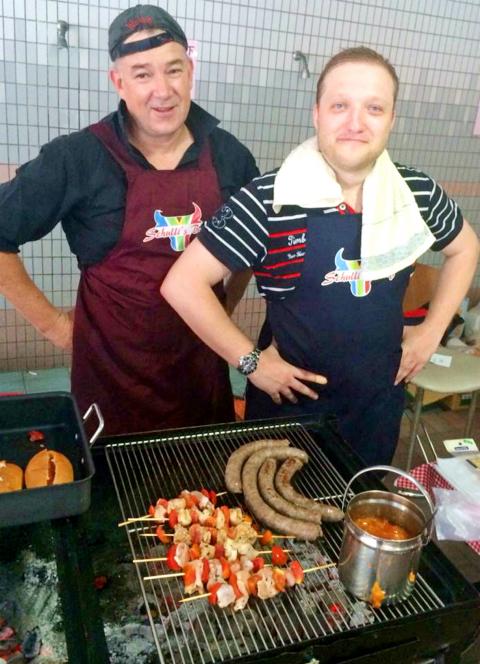
Photo courtesy of Michello de Beer

Photo courtesy of Michello de Beer
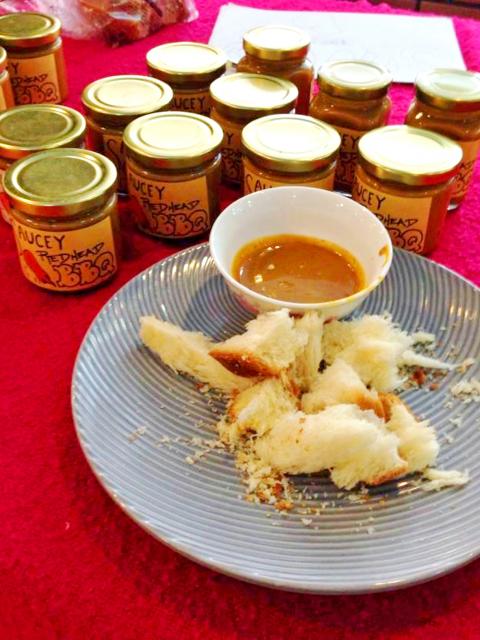
Photo courtesy of Michello de Beer
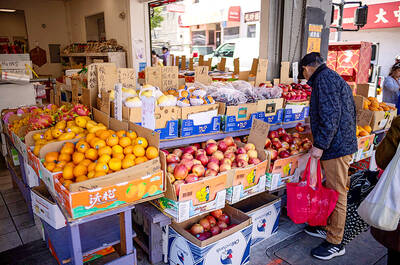
Ajay Verma, a consultant gastroenterologist at Kettering general hospital in Northamptonshire, says our gut is a “complex machine.” “It is constantly providing us with the nutrition we need, initially to grow and develop, and then for us to survive, thrive and repair from injury and illness.” How can we keep it functioning well? Put simply: “Make sure what you put into it is balanced, and that you clear out its waste products adequately,” Verma says. “In a general gastroenterology clinic, the most common conditions we see are irritable bowel syndrome (IBS), gastroesophageal reflux disease, inflammatory bowel disease and constipation,” says Nisha
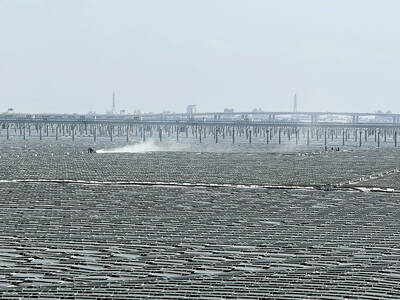
The arithmetic is straightforward and uncomfortable. By the end of 2025, Taiwan had committed itself to a 50-30-20 electricity mix — half natural gas, 30 per cent coal, 20 per cent renewables. The Ministry of Economic Affairs’s (MOEA) own monthly energy reports tell a different story. Natural gas reached 47.8 per cent of generation last year. Coal stood at 35.4 per cent, comfortably above its target ceiling. Renewables came in at 13.1 per cent, well short of the 20 per cent Taipei had pledged a decade earlier. Installed renewable capacity reached roughly half of the 12 gigawatts (GW) the government

Last week US President Donald Trump was asked by a reporter whether he would speak on the phone to the President of Taiwan. “l’ll speak to him. I speak to everybody. We have that situation very well in hand,” Trump said. This marked the second time in a couple of weeks he had said he would talk to the President of Taiwan. In 2016 he famously took a call from then-president Tsai Ing-wen (蔡英文), when he was president-elect. Despite warnings that the apocalypse was nigh because of a phone call, the world quickly forgot about the conversation between two democratically-elected presidents.
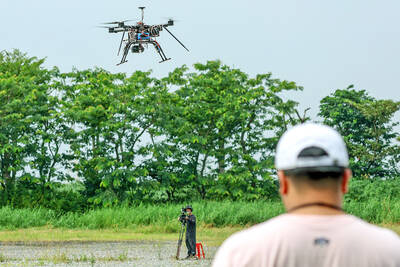
Taiwan’s drone exports are taking off, fuelled by the war in Ukraine, as Taiwanese companies seek a stake in the fast-growing global market for unmanned aerial vehicles (UAV). Low-cost drones used for reconnaissance and strikes are in high demand as governments around the world boost defense spending in the face of intensifying conflicts. A relative new player in the increasingly competitive industry, Taiwan’s pitch is to be an “Asian hub” for the production of UAVs and components free of Chinese materials, or “non-red.” That means its UAVs can be up to three times more expensive than their Chinese competitors, like the world’s biggest


 RSS
RSS