


| City cinema weekend box office takings (Feb. 16 and Feb. 17) Source: Group Power Entertainment Corp | ||||
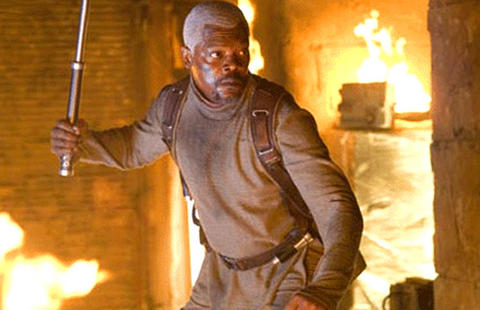 | 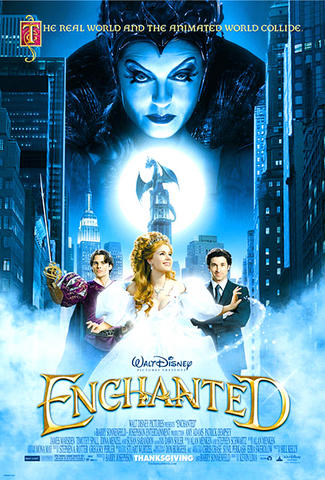 | 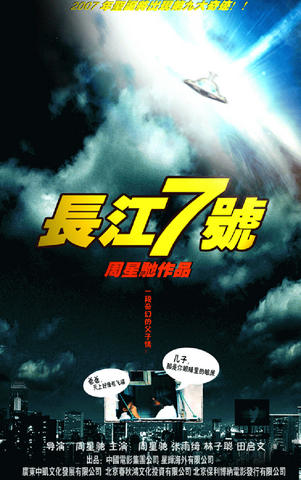 |  | 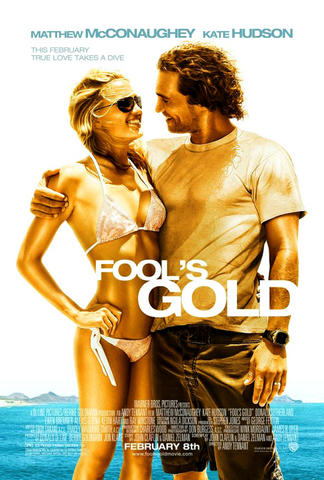 |
| ■ Jumper (移動世界) NT$10,541,787 | ■Enchanted (曼哈頓奇緣) NT$4,813,133 | ■CJ7 (長江七號) NT$3,445,849 | ■PS I Love You (PS 我愛你) NT$2,875,072 | ■Fool’s Gold (傻愛成金) NT$1,795,977 |

Paul Thomas Anderson’s “One Battle After Another” was crowned best picture at the 98th Academy Awards, handing Hollywood’s top honor to a comic, multi-generational American saga of political resistance. The ceremony Sunday, which also saw Michael B. Jordan win best actor and “Sinners” cinematographer Autumn Durald Arkapaw make Oscar history as the first female director of photography to win the award, was a long-in-coming coronation for Anderson, a San Fernando Valley native who made his first short at age 18 and has been one of America’s most lionized filmmakers for decades. Before Sunday, Anderson had never won an Oscar. But “One Battle

In Kaohsiung’s Indigenous People’s Park (原住民主題公園), the dance group Push Hands is training. All its members are from Taiwan’s indigenous community, but their vibe is closer to that of a modern, urban hip-hop posse. MIXING CULTURES “The name Push Hands comes from the idea of pushing away tradition to expand our culture,” says Ljakuon (洪濬嚴), the 44-year-old founder and main teacher of the dance group. This is what makes Push Hands unique: while retaining their Aboriginal roots, and even reconnecting with them, they are adamant about doing something modern. Ljakuon started the group 20 years ago, initially with the sole intention of doing hip-hop dancing.

What was the population of Taiwan when the first Negritos arrived? In 500BC? The 1st century? The 18th? These questions are important, because they can contextualize the number of babies born last month, 6,523, to all the people on Taiwan, indigenous and colonial alike. That figure represents a year on year drop of 3,884 babies, prefiguring total births under 90,000 for the year. It also represents the 26th straight month of deaths exceeding births. Why isn’t this a bigger crisis? Because we don’t experience it. Instead, what we experience is a growing and more diverse population. POPULATION What is Taiwan’s actual population?

You would never believe Yancheng District (鹽埕) used to be a salt field. Today, it is a bustling, artsy, Kowloon-ish “old town” of Kaohsiung — full of neon lights, small shops, scooters and street food. Two hundred years ago, before Japanese occupiers developed a shipping powerhouse around it, Yancheng was a flat triangle where seawater was captured and dried to collect salt. This is what local art galleries are revealing during the first edition of the Yancheng Arts Festival. Shen Yu-rung (沈裕融), the main curator, says: “We chose the connection with salt as a theme. The ocean is still very near, just a


 RSS
RSS