


Kurdish security forces have seized scores of minority Arabs and Turkmens in Kirkuk and secretly transferred them in violation of Iraqi law to prisons in Kurdish-controlled areas of northern Iraq, US officials said on Wednesday.
The prisoners have been captured in operations by Kurdish intelligence agents and a Kurdish-led unit of the Kirkuk Police Department, sometimes with the support of US forces in the region, the officials said. The Kurds maintain broad autonomy in northern Iraq, and their intelligence agents are fiercely independent of Iraq's fledgling national intelligence service.
US military and State Department officials, while condemning the transfers, said US troops had not been involved with them, and when made aware of the practice, had sought to stop it.

PHOTO: AP
"We have had serious and credible information about allegations of extrajudicial conduct, both arrests and detentions of individuals in the northern areas of Iraq," a state department spokesman, Sean McCormack, said on Wednesday at the department's daily news briefing.
"Our coalition forces, according to every report that I have, not only were not involved in these activities, but in fact raised their concerns about the fact that they had serious and credible reports that those activities were taking place," he said.
The allegations are contained in a confidential nine-page State Department cable, dated June 5.
Kirkuk has emerged as a tinderbox for Iraq's major ethnic and sectarian groups, and is considered the most politically volatile city.
Since the fall of former president Saddam Hussein, the Kurds have wrested control from Sunni Arabs and Turkmens of virtually every major government institution in Kirkuk, including the police. They have further consolidated their power by getting a huge turnout in the area during the elections and securing almost two-thirds of the seats in the provincial council.
Minority politicians have accused Kurdish leaders of using intimidation to exercise their authority.
The secret transfers of prisoners pose a potential political problem for the Bush administration, which is perceived to be a strong supporter of the Kurdish leaders.

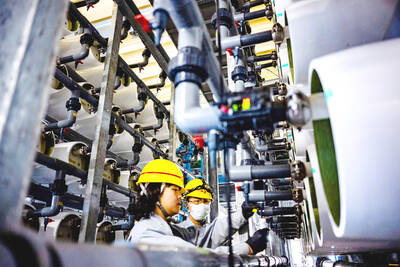
HIGH HOPES: The power source is expected to have a future, as it is not dependent on the weather or light, and could be useful for places with large desalination facilities A Japanese water plant is harnessing the natural process of osmosis to generate renewable energy that could one day become a common power source. The possibility of generating power from osmosis — when water molecules pass from a less salty solution to a more salty one — has long been known. However, actually generating energy from that has proved more complicated, in part due the difficulty of designing the membrane through which the molecules pass. Engineers in Fukuoka, Japan, and their private partners think they might have cracked it, and have opened what is only the world’s second osmotic power plant. It generates

When a hiker fell from a 55m waterfall in wild New Zealand bush, rescuers were forced to evacuate the badly hurt woman without her dog, which could not be found. After strangers raised thousands of dollars for a search, border collie Molly was flown to safety by a helicopter pilot who was determined to reunite the pet and the owner. A week earlier, an emergency rescue helicopter found the woman with bruises and lacerations after a fall at a rocky spot at the waterfall on the South Island’s West Coast. She was airlifted on March 24, but they were forced to

JAN. 1 CLAUSE: As military service is voluntary, applications for permission to stay abroad for over three months for men up to age 45 must, in principle, be granted A little-noticed clause in sweeping changes to Germany’s military service policy has triggered an uproar after it emerged that the law requires men aged up to 45 to get permission from the armed forces before any significant stay abroad, even in peacetime. The legislation, which went into effect on Jan. 1 aims to bolster the military and demands all 18-year-old men fill out a questionnaire to gauge their suitability to serve in the armed forces, but stops short of conscription. If the “modernized” model fails to pull in enough recruits, parliament will be compelled to discuss the reintroduction of compulsory service, German
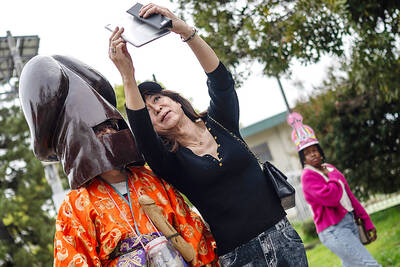
Showcasing phallus-shaped portable shrines and pink penis candies, Japan’s annual fertility festival yesterday teemed with tourists, couples and families elated by its open display of sex. The spring Kanamara Matsuri near Tokyo features colorfully dressed worshipers carrying a trio of giant phallic-shaped objects as they parade through the street with glee. The festival, as legend has it, honors a local blacksmith in the Edo Period (1603-1868) who forged an iron dildo to break the teeth of a sharp-toothed demon inhabiting a woman’s vagina that had been castrating young men on their wedding nights. A 1m black steel phallus sits in the courtyard of


 RSS
RSS