


Catcher Technology Co (可成科技), which supplies metal casings for HTC products and Apple Inc’s iPhones, yesterday said it expects strong sales growth in the second half of the year, thanks to increased orders for smartphones and tablets.
“Thanks to an increased number of clients, Catcher does not need to worry about declining notebook shipments,” chairman Allen Hung (洪水樹) said at the company’s annual general meeting in Greater Tainan.
The company is developing new casings made of carbon fiber or glass fiber to meet customers’ needs, Hung told shareholders.
Sales of casings made from glass fiber or carbon fiber are expected to account for less than 10 percent of Catcher’s total sales this year, but the proportion is likely to increase annually as the company adopts advanced technologies to accelerate the manufacturing process, Hung said.
To meet rising demand, Catcher plans to purchase an additional 2,000 computer numerical control (CNC) machines by the end of this month, he said.
CAPACITY
The new machines will help expand the company’s capacity in the second half of the year, Hung said.
By the end of this month, Catcher’s total number of CNC machines will reach 16,000 units, he added.
“The utilization rate is also expected to rise to more than 90 percent starting from next quarter, from 80 percent this quarter,” Hung said.
“The company expects to see sales grow significantly during the second half of the year,” he added.
Catcher’s shareholders yesterday approved the company’s proposal to distribute NT$6 in cash dividends per common share last year’s earnings.
The company’s net profit last year grew 2 percent to NT$10.89 billion (US$365.2 million) — the highest level in the company’s history — with earnings per share of NT$14.51.
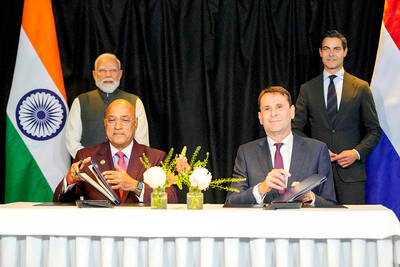
NEW MARKET: The partnership opens up India to the Dutch company, which already has a strong hold in the semiconductor market of South Korea, Taiwan and China ASML Holding NV entered into a partnership agreement with Tata Electronics Pvt Ltd aimed at ramping up India’s goal to develop domestic chip-manufacturing capabilities. The Dutch company’s technology would help power Tata Electronics’ planned 300 millimeter (mm) semiconductor foundry in Gujarat, according to a joint statement from the two companies on Saturday. The signing of a memorandum of understanding coincides with a visit by Indian Prime Minister Narendra Modi to the Netherlands, which is looking to deepen bilateral relations with New Delhi. ASML, whose top customers include Taiwan Semiconductor Manufacturing Co (台積電) and Samsung Electronics Co, makes lithography machines that can print
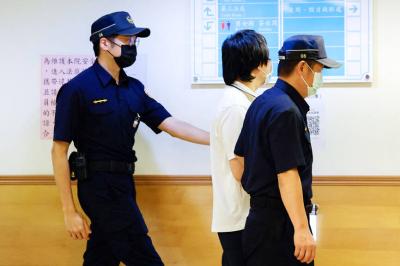
Tokyo Electron's Taiwan unit today said in a written response that it respects the judicial process, takes the court ruling seriously and would not appeal in the Taiwan Semiconductor Manufacturing Co (TSMC, 台積電) trade secrets case. Last month, a court fined the Taiwan unit of Japan's Tokyo Electron NT$150 million (US$4.74 million) in a case involving trade secrets related to TSMC's sensitive chip technology.
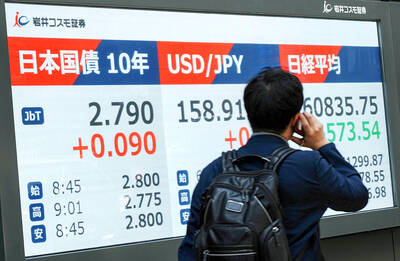
ROUGH RECORDS: Bonds in Japan, as well is in New Zealand, Australia and the US, are seeing the effects of a nervy market as stock exchanges across Asia edge down A deepening slump in Japanese government bonds added fuel to the selloff in global debt markets as rising oil prices stoked inflation fears and pushed yields to multi-decade highs. Japan’s 30-year yield yesterday surged as much as 20 basis points to the highest level since the tenor’s debut in 1999, before paring some of the move. Shorter-maturity Japanese debt was also under pressure, underscored by weak demand at a sale of five-year notes that offered a record-high coupon of 2 percent. Concerns over inflation and government spending rippling through markets including the US, Australia and New Zealand are being amplified in Japan,
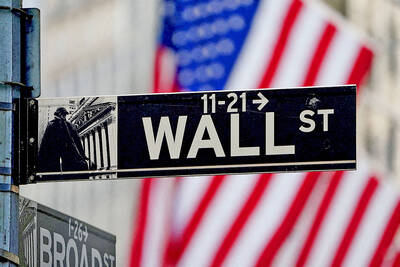
Wall Street is licking its chops over an unprecedented slate of massive initial public offerings (IPOs) set to arrive in the coming months, beginning with Elon Musk’s Space Exploration Technologies Corp (SpaceX) next month. That is expected to be followed by artificial intelligence (AI) rivals OpenAI and Anthropic PBC. The trio of mega listings, each eyeing valuations around US$1 trillion or more, constitutes a heady period of elevated risk and reward. SpaceX is targeting an IPO that would raise up to US$80 billion — about double the funds generated from all IPOs last year. OpenAI and Anthropic are eyeing IPOs raising US$60 billion. “We’re


 RSS
RSS