


Wall Street is licking its chops over an unprecedented slate of massive initial public offerings (IPOs) set to arrive in the coming months, beginning with Elon Musk’s Space Exploration Technologies Corp (SpaceX) next month.
That is expected to be followed by artificial intelligence (AI) rivals OpenAI and Anthropic PBC. The trio of mega listings, each eyeing valuations around US$1 trillion or more, constitutes a heady period of elevated risk and reward.
SpaceX is targeting an IPO that would raise up to US$80 billion — about double the funds generated from all IPOs last year.
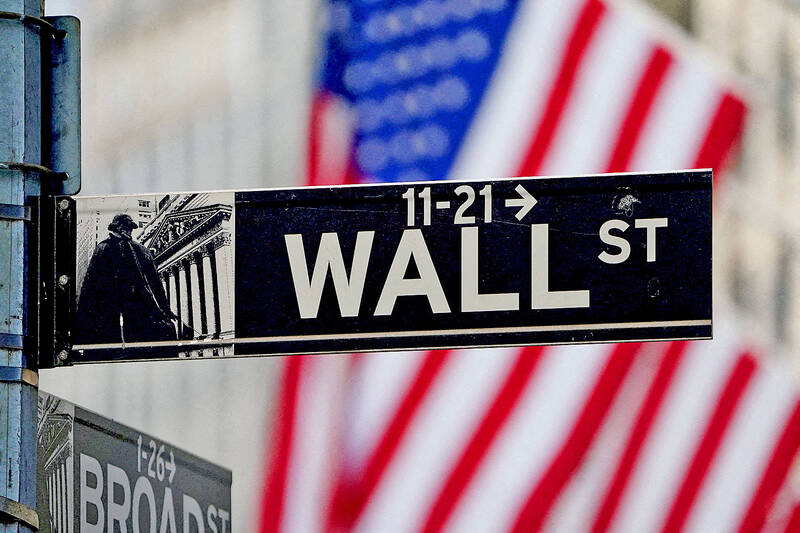
Photo: Reuters
OpenAI and Anthropic are eyeing IPOs raising US$60 billion.
“We’re really in unprecedented times,” PitchBook analyst Emily Zheng said. “And this concentration is more extreme than ever.”
The trio is poised to enter public markets as the Middle East war adds to inflationary pressures and fogs the geopolitical landscape.
However, that factor is not expected to impede the arrival of SpaceX, OpenAI and Anthropic.
“These three companies are kind of unique,” University of Florida specialist Jay Ritter said.
Blueshirt Group managing partner Mark Roberts also expects the offerings to be well subscribed.
“There’s enough capital to enthusiastically embrace these companies if they are priced correctly,” Roberts said. NASDAQ, where SpaceX is to be traded, announced earlier this spring that it would speed up the timeframe for including such mega listings in its main benchmark index.
The shift is expected to prod additional stock purchases of SpaceX from investment funds built around the index.
Among portfolio managers for larger funds, SpaceX “is probably viewed as a must-have stock,” Roberts said.
In anticipation of the listings, there has been a throng of activity on secondary markets where investors are buying unlisted securities, pushing Anthropic’s theoretic value to more than US$1 trillion.
OpenAI and Anthropic have warned investors against securities not authorized by the companies.
Once they begin trading on public markets, their performance would serve as a gauge of the market’s appetite for additional offerings, particularly in the AI market.
“If these companies do really well — especially the AI ones, like OpenAI and Anthropic — it would be a confirmation of these really massive private-market valuations,” Zheng said. “But the opposite could also be true,” she added. “If the companies don’t perform well, investors might conclude they’re overvalued.”
Some investors who have backed the three heavyweights in private markets are poised to cash out, potentially positioning them for the next round of tech companies.
Private equity firms hold more than 30,000 companies that they hope to exit, a backlog that has slowed availability of capital for new prospects. A Wall Street Journal article highlighted the slowdown, citing one firm that called the dynamic a “winter of exits.”
A poor performance by the new entrants could hit the valuations of these private companies, Zheng said.
By going public, the companies would also subject themselves to greater scrutiny from investors.
The market would “be laser-focused on the performance of those stocks from an operational perspective,” Roberts said. “So they can’t miss their earnings.”
Ritter predicted all three companies could see volatility.
“There’s going to be big upswings and big downswings, because nobody knows the future,” he said. “Owning these stocks is not for the faint of heart.”
Shares of contract chipmaker Taiwan Semiconductor Manufacturing Co (TSMC, 台積電) came under pressure yesterday after a report that Apple Inc is looking to shift some orders from the Taiwanese company to Intel Corp. TSMC shares fell NT$55, or 2.4 percent, to close at NT$2,235 on the local main board, Taiwan Stock Exchange data showed. Despite the losses, TSMC is expected to continue to benefit from sound fundamentals, as it maintains a lead over its peers in high-end process development, analysts said. “The selling was a knee-jerk reaction to an Intel-Apple report over the weekend,” Mega International Investment Services Corp (兆豐國際投顧) analyst Alex Huang
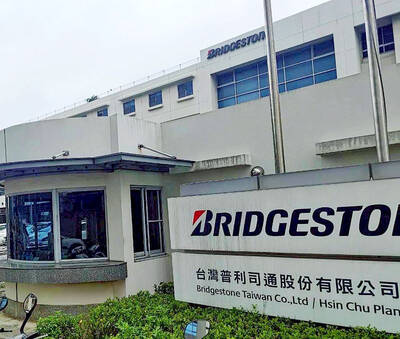
TRANSITION: With the closure, the company would reorganize its Taiwanese unit to a sales and service-focused model, Bridgestone said Bridgestone Corp yesterday announced it would cease manufacturing operations at its tire plant in Hsinchu County’s Hukou Township (湖口), affecting more than 500 workers. Bridgestone Taiwan Co (台灣普利司通) said in a statement that the decision was based on the Tokyo-based tire maker’s adjustments to its global operational strategy and long-term market development considerations. The Taiwanese unit would be reorganized as part of the closure, effective yesterday, and all related production activities would be concluded, the statement said. Under the plan, Bridgestone would continue to deepen its presence in the Taiwanese market, while transitioning to a sales and service-focused business model, it added. The Hsinchu
Taiwan Semiconductor Manufacturing Co (TSMC, 台積電) has approved a capital budget of US$31.28 billion for production expansion to meet long-term development needs during the artificial intelligence (AI) boom. The company’s board meeting yesterday approved the capital appropriation plan for purposes such as the installation of advanced technology capacity and fab construction, the world’s largest contract chipmaker said in a statement. At an earnings conference last month, TSMC forecast that its capital expenditure for this year would be at the higher end of the US$52 billion to US$56 billion range it forecast in January in response to robust demand for 5G, AI and
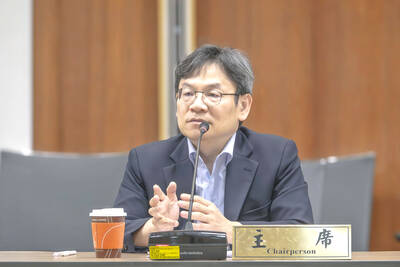
Taiwan Semiconductor Manufacturing Co’s (TSMC, 台積電) investment project in Arizona has progressed better than expected, but it still faces challenges such as water and labor shortages, National Development Council (NDC) Minister Yeh Chun-hsien (葉俊顯) said yesterday. Speaking with reporters after visiting TSMC’s Arizona hub and attending the SelectUSA Investment Summit in Maryland last week, Yeh said TSMC’s Arizona site turned a profit of NT$16.14 billion (US$514 million) last year in its first full year of mass production. “TSMC told me it was surprised by the smooth trial run of the first fab, which has left the company optimistic about the project’s outlook,”


 RSS
RSS