


It is possible to raise NT$2 trillion (US$61.92 billion) for transportation projects, but the staggering amount could crowd out other projects, Directorate-General of Budgeting, Accounting and Statistics (DGBAS) Minister Chen Shu-tzu (陳淑姿) said yesterday at a meeting of the legislature’s Finance Committee.
Democratic Progressive Party (DPP) Legislator Wu Ping-jui (吳秉叡) asked the DGBAS whether it could source funds for a high-speed railway network linking the east and west coasts, a Hualien-Taitung expressway and an extension of National Freeway No. 6 eastward to Hualien as proposed by Chinese Nationalist Party (KMT) Legislator Fu Kun-chi (傅崐萁).
Fu proposed draft special acts on the three proposed construction projects.
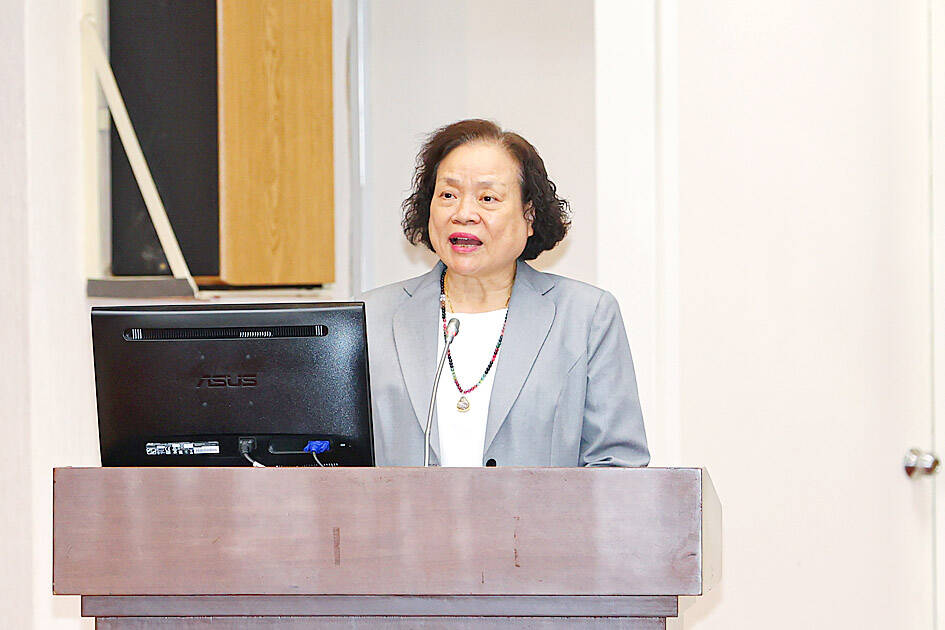
Photo: CNA
Major construction projects have to undergo viability and cost-effectiveness assessments before being forwarded to the National Development Council for deliberation, Chen said.
If the council approves a project that would cost a significant amount, the DGBAS would initiate talks with other government agencies to source funding, he said.
However, if the Legislative Yuan were to approve projects of the scale that have been proposed, the funding would affect many other major building projects, she said, urging the legislature to take utmost care when deliberating the issue.
The DGBAS has to balance limited funding against limitless demand from the public for building projects, protect sources of income, and keep the books balanced, he said.
Separately, Citizen of the Earth Taiwan said that the legislature should withdraw the proposed projects and the government should clarify how Hualien County should proceed with development after the April 3 earthquake.
Citizen of the Earth Taiwan deputy director Huang Ching-ting (黃靖庭) said that Legislative Speaker Han Kuo-yu’s (韓國瑜) suggestion that discussion on the draft acts be delayed until a new minister of transportation and communications has been appointed was not a straightforward decision.
The 10-year timeframe to complete the proposed construction projects is politically motivated, Huang said, adding that Hualien residents need safe public transportation that reflects their interests.
Citizen of the Earth Taiwan Hualien Taitung Office member Liang Sheng-yue (梁聖岳) said that the April 3 earthquake highlighted the difficulties of residents in eastern Taiwan.
Fu failed to prioritize post-earthquake reconstruction bills and instead introduced empty promises, Liang said.
Lai Kuan-yu (賴冠羽), a cultural creative industry incubator consultant, said that infrastructure projects in Hualien must consider the constraints of the local environment.
Hualien needs safe roads that guarantee safe travel, not projects that have not been thought through, including the potential they have to increase traffic rates and visitor numbers, Lai said.
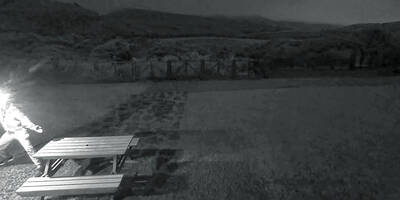
Yangmingshan National Park authorities yesterday urged visitors to respect public spaces and obey the law after a couple was caught on a camera livestream having sex at the park’s Qingtiangang (擎天崗) earlier in the day. The Shilin Police Precinct in Taipei said it has identified a suspect and his vehicle registration number, and would summon him for questioning. The case would be handled in accordance with public indecency charges, it added. The couple entered the park at about 11pm on Thursday and began fooling around by 1am yesterday, the police said, adding that the two were unaware of the park’s all-day live

Fast food chain McDonald's is to raise prices by up to NT$5 on some products at its restaurants across Taiwan, starting on Wednesday next week, the company announced today. The prices of all extra value meals and sharing boxes are to increase by NT$5, while breakfast combos and creamy corn soup would go up by NT$3, the company said in a statement. The price of the main items of those meals, if ordered individually, would remain the same. Meanwhile, the price of a medium-sized lemon iced tea and hot cappuccino would rise by NT$3, extra dipping sauces for chicken nuggets would go up
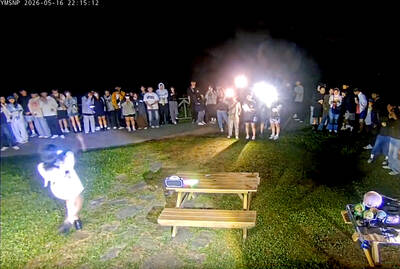
Yangmingshan National Park’s Qingtiangang (擎天崗) nature area has gone viral after a park livestream camera observed a couple in the throes of intimate congress, which was broadcast live on YouTube, drawing large late-night crowds and sparking a backlash over noise, bright lights and disruption to wildlife habitat. The area’s livestream footage appeared to show a couple engaging in sexual activity on a picnic table in the park on Friday last week, with the uncensored footage streamed publicly online. The footage quickly spread across social media, prompting a tide of visitors to travel to the site to “check in” and recreate the

Minister of Digital Affairs Lin Yi-ching (林宜敬) yesterday cited regulatory issues and national security concerns as an expert said that Taiwan is among the few Asian regions without Starlink. Lin made the remarks on Facebook after funP Innovation Group chief executive officer Nathan Chiu (邱繼弘) on Friday said Taiwan and four other countries in Asia — China, North Korea, Afghanistan and Syria — have no access to Starlink. Starlink has become available in 166 countries worldwide, including Ukraine, Malaysia, the Philippines and Vietnam, in the six years since it became commercial, he said. While China and North Korea block Starlink, Syria is not


 RSS
RSS