


Prices of stamps depicting dictator Chiang Kai-shek (蔣介石) and his son former president Chiang Ching-kuo (蔣經國) have skyrocketed ahead of an expected increase in the number of tourists from China in July.
These stamps make popular souvenirs, shop owners said.
“I’m already out of stock, but I think the price will keep going up like crazy,” one stamp shop owner said.
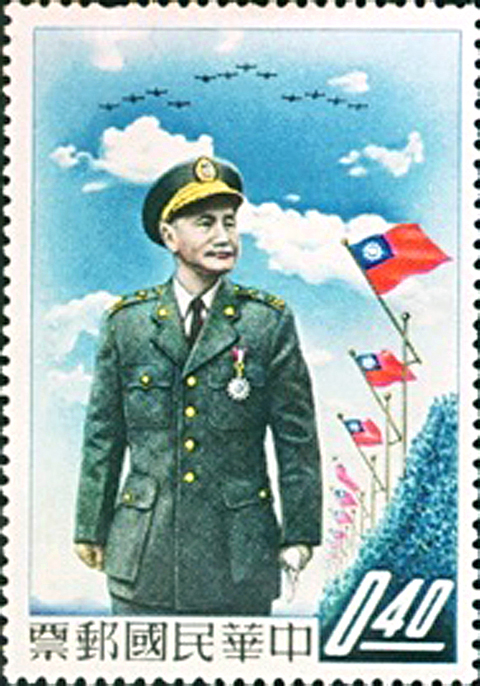
PHOTO: LEE WEN-I, TAIPEI TIMES
Until recently to be found everywhere around the country, the stamps used to be worthless in the eyes of collectors — but not anymore. Prices of stamps portraying the Chiangs have risen three to five times on average, as Chinese tourists consider them good, inexpensive souvenirs.
To cater for the demand, souvenir shop owners in popular tourist destinations such as Alishan (阿里山), Sun Moon Lake (日月潭) and Dasi (大溪) are stocking up, but since stocks are running low, one shop owner said it could soon become very difficult to purchase the stamps.
A souvenir shop owner in Alishan surnamed Chien said that he was anxious to get more of the stamps before July.
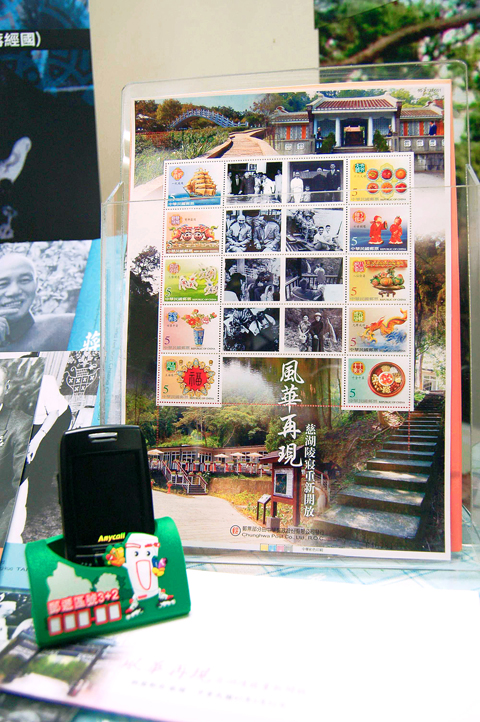
PHOTO: CHEN WEN-CHENG, TAIPEI TIMES
“The older the stamps, the more popular they are,” Chien said, adding that Chiang Kai-shek stamps are more popular than those depicting Chiang Ching-kuo, while Chiang Ching-kuo stamps are more popular than former president Chen Shui-bian (陳水扁) stamps.
A stamp released in 1978 to commemorate the third anniversary of Chiang Kai-shek’s death with a face value of NT$25 can now be sold for NT$700 to NT$900, Chien said.
Nevertheless, the price of stamps commemorating Chen’s first inauguration in 2000 has also increased from NT$20 to NT$40.
Chen Shih-ching (陳世清), operator of the Ching Ching Stamp Collection Network, attributed the rising prices to large-scale purchases by souvenir shop operators in tourist areas.
Chiang Kai-shek and Chiang Ching-kuo stamps are the most popular because they cannot be found in China, Chen Shih-ching said.
Tsai Ta-chang (蔡大昌) of Ching-shui Stamps said that the presidential portrait stamps were issued in large numbers — between 2 million to 3 million — and thus seldom became collector’s items.
He said Chiang Kai-shek stamps issued in the 1950s and the 1960s that formerly cost NT$25 a set now sold for around NT$50 to NT$100.
But a 10-piece stamp set issued in 1952 to commemorate Chiang Kai-shek’s return to power, with a total face value of NT$20, can reportedly now be sold for as much as NT$20,000, Tsai said.

Taipei and Kaohsiung have extended an open invitation to Japanese pop star Ayumi Hamasaki after Chinese authorities abruptly canceled her scheduled concert in Shanghai. Hamasaki, 47, had been slated to perform on Saturday before organizers pulled the show at the last minute, citing “force majeure,” a move widely viewed as retaliation for Japanese Prime Minister Sanae Takaichi’s recent remark that a Chinese attack on Taiwan could draw a military response from Tokyo. Taipei Mayor Chiang Wan-an (蔣萬安) yesterday said the city “very much welcomes” Hamasaki’s return and would continue to “surprise” her. Hamasaki, who has a large global fan base, including
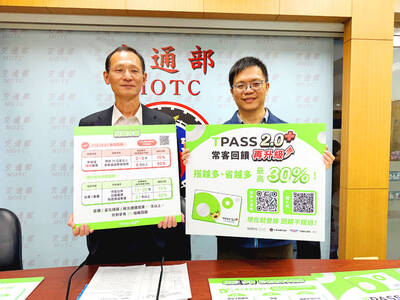
Starting next month, people who signed up for the TPass 2.0 program can receive a 15 percent rebate for trips on mid to long-distance freeway buses or on buses headed to the east coast twice every month, the Highway Bureau said. Bureau Director-General Lin Fu-shan (林福山) said the government started TPass 2.0 to offer rebates to frequent riders of public transportation, or people who use city buses, highway buses, trains or MRTs at least 11 times per month. As of Nov. 12, 265,000 people have registered for TPass 2.0, and about 16.56 million trips between February and September qualified for
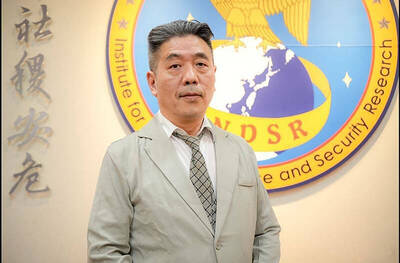
The year 2027 is regarded as the year China would likely gain the capability to invade Taiwan, not the year it would launch an invasion, Taiwanese defense experts said yesterday. The experts made the remarks after President William Lai (賴清德) told a news conference on Wednesday that his administration would introduce a NT$1.25 trillion (US$39.8 billion) special defense budget bill to boost Taiwan’s overall defense posture over the next eight years. Lai said that Beijing aims for military unification of Taiwan by 2027. The Presidential Office later clarified that what Lai meant was that China’s goal is to “prepare for military unification

HOW RUDE: Joe Biden’s Indo-Pacific defense chief condemned China’s response to Takaichi’s remarks as inappropriate and heavy-handed, while praising Japan’s nerve A former US defense official under former US president Joe Biden has voiced support for Japanese Prime Minister Sanae Takaichi for her remarks suggesting that Japan could help defend Taiwan, while describing Beijing’s response as “inappropriate.” Ely Ratner, who served as assistant secretary of defense for Indo-Pacific security affairs from 2021 to this year, said in a CNA interview that Takaichi’s comments on Taiwan simply reflected Japan’s position and stance on Taiwan. On Nov. 7, the Japanese prime minister commented in a parliamentary session that a Chinese attack on Taiwan could constitute “a situation threatening Japan’s survival” that could trigger a military


 RSS
RSS