


★ 本文由生成式 AI 協作,本刊編輯編修。
Continued from yesterday(延續自昨日)
https://www.taipeitimes.com/News/lang
Photos: AdobeStock I 照片:AdobeStock
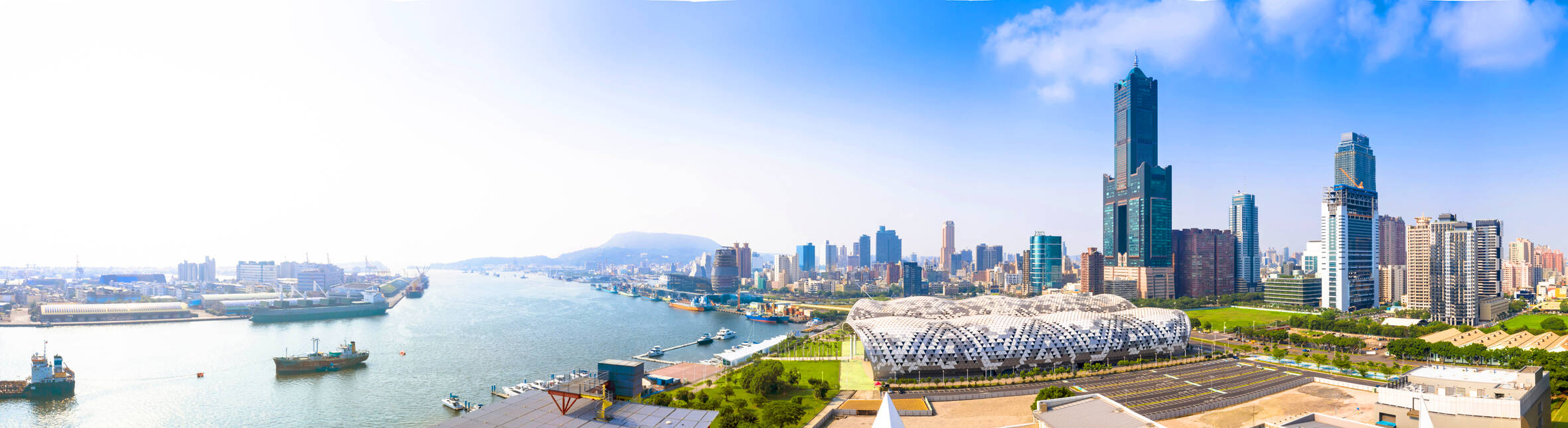
Kaohsiung’s deep connection with the sea continues to thrive, with Kaohsiung Harbor remaining a crucial hub for global shipping. In addition to the port, the city has emerged as a major player in another world-class maritime industry—yacht manufacturing, responsible for producing 80 percent of all Taiwan-made yachts.
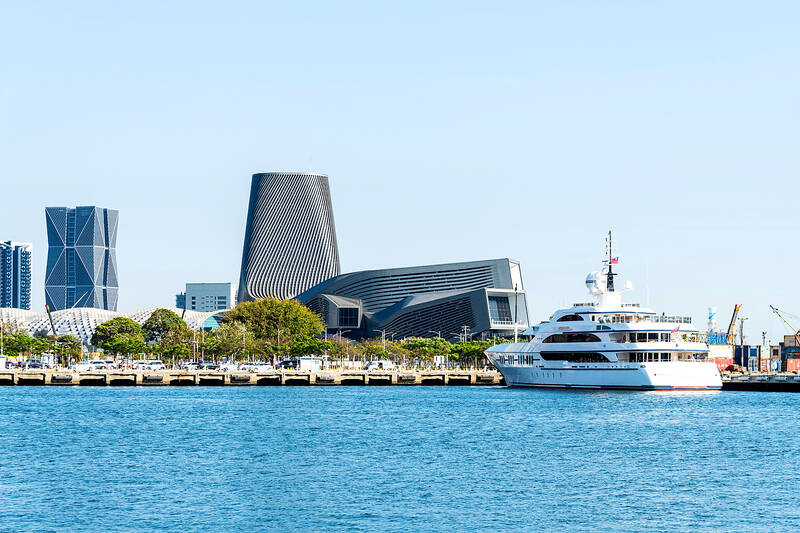
The yacht industry in Taiwan originated in the post-World War II era, when the US military presence in Taiwan provided local boat builders with guidance on making wooden yachts. The resulting craftsmanship was so exquisite that orders soon poured in. In 1977, Taiwan replaced Canada as the main yacht supplier to the US and earned the nickname “Yacht Kingdom.”
However, this golden age was followed by a decade-long decline starting in 1988, when rising production costs forced more than half of the yacht factories to shut down. To boost export competitiveness, manufacturers started to specialize in customized luxury yachts. This shift was largely supported by the superb skills of traditional woodworkers, whose expertise enabled them to rapidly respond to clients’ needs.

Photos: AdobeStock I 照片:AdobeStock
The Kaohsiung government has actively promoted yacht manufacturing as a key industry and hosted exhibitions to raise the sector’s profile and secure international orders. From its past as a busy diplomatic center to its present as a global leader in yacht manufacturing, Kaohsiung continues to build on its rich maritime heritage.
高雄與海洋的深厚淵源持續茁壯,高雄港一直是全球航運的重要樞紐。除了港口之外,高雄也是另一項世界級海事產業的重要參與者 ── 遊艇製造業,臺灣遊艇產量高雄就占了八成。
臺灣遊艇業源於二戰戰後時期,當時駐臺美軍指導當地造船商生產木製遊艇。製作出來的遊艇工藝精湛,訂單因而迅速湧入。1977 年,臺灣取代加拿大成為美國主要的遊艇供應國,並贏得了「遊艇王國」的稱號。
Photos: AdobeStock I 照片:AdobeStock
然而,黃金時代之後,從 1988 年開始迎來了長達十年之久的衰退期,當時生產成本上漲迫使逾一半的遊艇廠倒閉。為了提升出口競爭力,製造商開始專注於客製化豪華遊艇。這一轉變主要得益於傳統木工的精湛技藝,專業技能讓他們能夠快速應對客戶的需求。
高雄政府積極推動遊艇製造業的發展,將其視為重點產業,並舉辦展覽來提升該產業的知名度及爭取國際訂單。從昔日繁忙的外交中心,到今日成為全球遊艇製造業重鎮,高雄以其深厚的航海傳統為基礎,持續發展中。
What Did You Learn?
1. How have Taiwan’s yachts remained competitive in the global market?
(A) They are crafted to meet the unique demands of each client.
(B) They are built mainly with rare and expensive wood.
(C) They are made in the largest size available.
(D) They are produced at a relatively low cost.
2. Which of the following best describes the development of Taiwan’s yacht industry?
(A) It reached its peak in the 1970s and then disappeared.
(B) It has focused on mass-produced yachts since the beginning.
(C) It saw a decade of decline followed by a major transformation.
(D) It has seen continuous growth since the post-World War II era.
答案: 1. A 2. C
Words in Use
1. thrive vi. 茁壯成長,蓬勃發展
The small town is thriving again thanks to tourism.
多虧了觀光業,這個小鎮再次繁榮了起來。
2. crucial a. 重要的,關鍵性的
Learning the basics is a crucial step to being a good soccer player.
學習基礎技巧是成為一名優秀足球選手的重要一步。
3. emerge vi. 興起
emerge as + 身分 以某身分嶄露頭角
The startup quickly emerged as a serious competitor in the AI industry.
那間新創公司迅速成為人工智慧產業中的強大競爭者。
4. era n. 時代
The end of the war began a new era of peace.
該場戰爭結束後迎來了和平新時代。
5. exquisite a. 精緻的
The painter’s work is an exquisite piece of art worthy of display.
這位畫家的作品是一件精緻的藝術品,值得展示出來。
Practical Phrases
1. originate in. . . 源自於……
originate vi. 起源,發源
The tradition is said to have originated in the 18th century.
據說這個傳統源自十八世紀。
2. pour in (大批)湧入
After the news broke, calls from the media began to pour in.
那則新聞爆發後,媒體的電話開始湧入。
3. shut down 關閉,停止營業
The factory decided to shut down due to a lack of orders.
這家工廠因訂單不足而決定關閉。
4. raise one’s profile 提升某人∕某物的知名度
Winning the award helped Lily raise her profile in the art world.
獲獎讓莉莉在藝術界的知名度提升了。
5. build on. . . 以……為基礎而進一步發展
The new company will build on its success in the Asian market.
這間新公司將以自身在亞洲市場成功的經驗來進一步發展。
聽文章朗讀及講解: https://ivy.pse.is/455bfu
本文出自常春藤解析英語雜誌: www.ivy.com.tw


A: Isn’t the 2026 Coachella Valley Music and Arts Festival — a massive music event held every April — about to open in California? B: Yeah the festival is set to take place over two weekends, from April 10 to 12 and 17 to 19, US time. A: I heard this year’s main stage headliners include Sabrina Carpenter, Justin Bieber, Karol G and EDM DJ Anyma. B: The K-pop army is also making an appearance, with legendary group BigBang, SHINee member Taemin and girl group Katseye debuting for the first time. A: Isn’t Coachella also live-streamed on its YouTube

A: Several Japanese and South Korean acts, such as BigBang, are participating in this year’s Coachella Music Festival. Have any Mando-pop singers ever performed at Coachella? B: Yup, K-pop group GOT7’s Hong Kong member Jackson Wang, and Taiwanese band Sunset Rollercoaster, which primarily performs in English, attended the festival before. A: It’s a pity that we didn’t fly to Coachella. But in fact, Taipei has also gradually become an Asian music hub in recent years. B: That’s true. K-pop sensation Twice just held three concerts at the Taipei Dome, followed by Hong Kong singer G.E.M., who is going

Concertgoers know the rush all too well — the moment the first notes play, your heart races, and nothing else seems to matter. For many, the excitement doesn’t end when the lights come back on. Some fans try to relive the performance by listening to the same songs for days afterward. __1__ A few days after an amazing show, they begin to feel unexpectedly low. Psychologists have coined a term for this phenomenon: “post-concert depression,” or “PCD.” PCD is primarily related to hormone levels. When you’re at a concert, the excitement causes your brain to release feel-good chemicals like
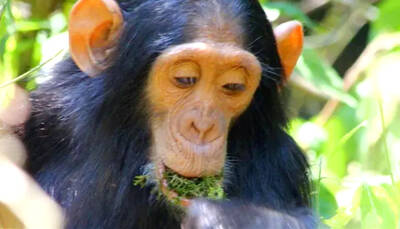
A new study suggests that chimpanzees can weigh evidence and make rational judgments. In the experiment, researchers placed two boxes in front of the chimpanzees. One box was set up to give strong evidence, such as letting the chimpanzees actually see food inside. The other was designed to provide weak evidence, like producing a rattling sound when it was shaken. The chimps consistently chose the box with strong evidence, even when the weaker clue appeared first. This indicated that they were not fooled by the order of presentation. In another trial where no strong evidence was available, the chimps


 RSS
RSS