


Steam curls from a shallow iron pot as thin ribbons of beef turn from ruby to blush. Warishita — a mixture of soy sauce, sugar and mirin — goes in, and the room fills with a salty-sweet aroma. Tofu slips in beside mushrooms and greens, chopsticks hover and voices soften. More than a hot pot, “sukiyaki” is a table-side ritual that invites everyone to cook and enjoy at the same pace.
The name is believed to be associated with the iron “suki,” a kind of spade once used by farmers for cooking and later replaced by shallow pots. As cultural taboos on beef consumption eased and Western dining habits spread in the late Edo to early Meiji period, sukiyaki took shape in urban restaurants and wealthier households. Not until after World War II did portable burners and expanding supermarkets help bring the dish firmly into everyday home kitchens. Whether in restaurants or at home, the pot becomes a small stage for interaction and conversation. Today, it is common at year-end parties and family celebrations, prized as much for togetherness as for its taste.
Two regional methods shape the dish. Kansai style quickly browns the beef with sugar before adding warishita and vegetables, creating caramelization that deepens the flavor. In contrast, Kanto style begins with warishita, letting all the ingredients stew to a unified sweetness. Many diners dip hot morsels into beaten raw egg, which cools the bite and rounds the flavors. The meal ends with udon or rice stirred through the remaining sauce—a quiet conclusion that gathers every flavor back into the pot.
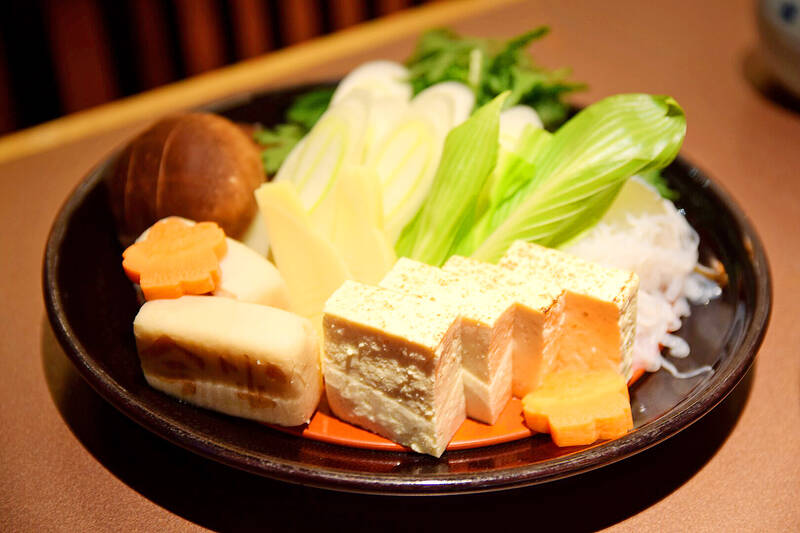
Photo: Wikimedia Commons / 照片:維基共享資源
蒸氣從淺鐵鍋中緩緩升起,細薄的牛肉片由鮮紅轉為粉色。加入由醬油、砂糖與味醂調成的「割下」(warishita),鹹甜交織的香氣立刻瀰漫整個房間。豆腐滑入鍋中,與香菇、青菜並排;筷子在空中停頓,談話聲變得柔和。壽喜燒不僅是一道火鍋料理,更是一種桌邊儀式——邀請眾人以相同的節奏一同烹調、享用。
據說「壽喜燒」這個名字與鐵製的「鋤(suki)」有關,過去農民會用這種鐵鋤烹煮食物,後來才被淺鍋取代。隨著江戶末期至明治初期人們對食用牛肉的禁忌逐漸鬆綁,且西式飲食習慣普及,壽喜燒開始在都市餐館與富裕家庭中成形。直到二戰之後,隨著可攜式瓦斯爐的普及與超市的拓展,壽喜燒才真正走進一般家庭的廚房。無論在餐廳或家中,鍋子都像是一座小舞台,讓人們互動、閒聊。如今,它常見於年終聚會或家庭慶祝中,人們珍視的,不僅是美味,更是團聚的時光。
兩種地域性做法塑造了這道料理的特色。關西風味先以砂糖快速煎出牛肉焦香,再加入割下與蔬菜,透過焦糖化過程深化風味層次。相較之下,關東風味則以割下為基底,讓所有食材燉煮至甘甜交融。許多食客會將剛起鍋的食物蘸上打散的生蛋液,藉此降溫並讓口感更滑順。餐末以烏龍麵或白飯拌入剩餘醬汁收尾——這般靜謐的終章,將所有滋味重新匯聚回鍋中。
MORE INFORMATION
ruby adj. 深紅色
mirin n. 味醂
aroma n. 香味
hover v. 盤旋
taboo n. 禁忌
burner n. 煤氣爐
caramelization n. 焦糖化
unified adj. 統一的
morsel n. 一口的份量
KEY VOCABULARY
1. curl v. (使)捲曲;蜿蜒上升
Smoke curled into the sky from the chimney, slowly disappearing into the clouds.
煙從煙囪中蜿蜒升起,慢慢消失在雲層中。
2. soften v. (使)溫和;(使)緩和
The teacher’s strict attitude softened after she saw how hard the students were trying.
老師看到學生那麼努力後,原本嚴厲的態度變得溫和了。
3. ritual n. 儀式;例行公事
Every morning, Kevin follows a simple ritual of making coffee and reading the news before work.
每天早晨,凱文都會遵循一個簡單的儀式:上班前煮咖啡、讀新聞。
4. spade n. 鏟;鍬
With a heavy spade in hand, the farmer cleared the soil to prepare for the new crops.
農夫手拿沉重的鐵鍬,清理土壤以準備種植新作物。
5. household n. 家庭
The survey showed that most households cook dinner at home at least five times a week.
調查顯示,大多數家庭每週至少在家煮五次晚餐。
6. portable adj. 可攜式的;輕便的
This portable speaker is small and light, making it easy to take to the park or beach.
這款可攜式喇叭體積小又輕,帶去公園或海邊都很方便。
7. expand v. (使)擴張;(使)增加
The company plans to expand its business to other countries next year.
這家公司計劃明年把業務擴展到其他國家。
8. interaction n. 交流;互動
Regular interaction with customers helps businesses understand their needs and improve services.
與顧客的定期互動有助於企業了解需求並改善服務。
9. stew v. 燉;煨
Mom stewed the beef with vegetables for hours until it became soft and flavorful.
媽媽把牛肉和蔬菜燉了好幾個小時,直到變得軟嫩又入味。
空中美語APP+︰全新AI學習,限時免費!(學習音檔) https://www.english4u.net/qr/app.html
文章由AMC空中美語授權使用: https://www.english4u.net

A: Taiwan legalized same-sex marriage on May 24, 2019, so this week marks the seventh anniversary of that milestone. By the end of 2024, a total of 32,126 LGBT couples had tied the knot. B: How many of them got married to foreign partners? A: In 2024, there were 504 cross-border same-sex marriages. By the end of that year, there were 130 cross-strait same-sex marriages between Taiwanese and Chinese — accounting for only about 0.4 percent of the total. B: I’ve heard that a seven-year marriage brings the “seven-year itch.” I bet some couples regret their decisions now. A:

A: While Taiwan is celebrating the 7th anniversary of legalizing same-sex marriage, a poll shows that the support rate for same-sex marriage rose sharply from 37.4 percent seven years ago to 69.9 percent last year. B: Actually, I’m a bit curious about the size of Taiwan’s LGBT population. A: I’m not sure. But if we take a Gallup poll in the US as an example, 9.3 percent of American adults identified as LGBT in 2024. B: Wow, is it because the Americans are relatively open? In many other countries, the figures hover around 5 percent. A: Based on this,
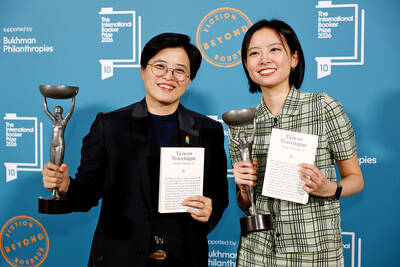
Taiwan Travelogue, the novel by Taiwanese author Yang Shuang-zi and translated into English by Lin King, won the prestigious International Booker Prize in London on May 19. It marks the first time a Taiwanese literary work has received the International Booker Prize, setting a historic milestone both for Taiwanese literature and for the award itself. Prior to this achievement, Taiwan had only once appeared on the Booker radar, when Taiwanese author Wu Ming-yi was longlisted for the Booker Prize in 2018 with The Stolen Bicycle. The International Booker Prize honors works of fiction translated into English and published in the UK or Ireland.

As climate change and urbanization push city temperatures higher, walking outdoors is becoming increasingly uncomfortable in many parts of the world, especially when prolonged time spent in sunlight is involved. As a result, outdoor lovers are now seeking cooler, shaded walking routes. However, most mainstream map apps still do not __1__ shaded footpaths. Enter routing.osm.ch — a Swiss web-based route planner that introduces a novel solution to this problem. Its “Vampire mode,” named after the legendary creatures’ fear of being __2__ natural light, was developed by a Swiss research team led by Professor Stefan Keller. The platform combines open data from


 RSS
RSS