


對話 Dialogue
清清:過完年回來上班,我真的有點不太適應,早上起床變得特別困難。
Qīngqing: Guò wán nián huílái shàngbān, wǒ zhēn de yǒudiǎn bú tài shìyìng, zǎoshang qǐchuáng biàn de tèbié kùnnán.

Photo: Unsplash 照片:Unsplash
華華:我懂你。年假每天睡到自然醒,現在一聽到鬧鐘,就很想再多睡一下。
Huáhua: Wǒ dǒng nǐ. Niánjià měitiān shuì dào zìrán xǐng, xiànzài yì tīng dào nàozhōng, jiù hěn xiǎng zài duō shuì yíxià.
清清:而且過年期間吃得比較多,最近覺得褲子好像變緊了。
Qīngqing: Érqiě guònián qíjiān chī de bǐjiào duō, zuìjìn juéde kùzi hǎoxiàng biàn jǐn le.
華華:哈哈,我也是這樣。所以我打算年後開始調整生活作息,慢慢收心。
Huáhua: Hāhā, wǒ yě shì zhèyàng. Suǒyǐ wǒ dǎsuàn nián hòu kāishǐ tiáozhěng shēnghuó zuòxí, màn man shōu xīn.
清清:你是怎麼調整的?我想改變,可是常常沒有動力。
Qīngqing: Nǐ shì zěnme tiáozhěng de? Wǒ xiǎng gǎibiàn, kěshì chángcháng méiyǒu dònglì.
華華:我下班後會去快走,偶爾騎腳踏車,流點汗之後,精神會好很多。
Huáhua: Wǒ xiàbān hòu huì qù kuài zǒu, ǒu’ěr qí jiǎotàchē, liú diǎn hàn zhīhòu, jīngshén huì hǎo hěn duō.
清清:聽起來不錯。不然每天都一直想放假,工作效率真的不太好。
Qīngqing: Tīng qǐlái búcuò. Bùrán měitiān dōu yìzhí xiǎng fàngjià, gōngzuò xiàolǜ zhēn de bú tài hǎo.
華華:沒錯,年後本來就需要一段時間適應,慢慢來比較不會有壓力。
Huáhua: Méi cuò, nián hòu běnlái jiù xūyào yí duàn shíjiān shìyìng, màn man lái bǐjiào bú huì yǒu yālì.
翻譯 Translation
Qingqing: After coming back to work after the New Year, I still haven’t really adjusted. Getting up in the morning has become especially difficult.
Huahua: I get it. During the holiday, I woke up naturally every day. Now when I hear the alarm clock, I just want to sleep a little longer.
Qingqing: And during the New Year, I ate more than usual. My pants have been feeling tight lately.
Huahua: Haha, same here. That’s why I plan to start adjusting my daily routine to slowly get back into it.
Qingqing: How do you do that? I want to change too, but I often lack motivation.
Huahua: After work, I go for brisk walks or occasionally ride a bike. I feel much more energetic after sweating a bit.
Qingqing: That sounds nice. Otherwise, I keep wanting to take a break and I’m really inefficient at work.
Huahua: Exactly. After the New Year, it’s normal to need some time to adjust. Taking it slow feels less stressful.
生詞 Vocabulary
1. 適應 (shìyìng) adapt
2. 困難 (kùnnán) difficulty; difficult
3. 收心 (shōu xīn) refocus; get back into work or study mode
4. 調整 (tiáozhěng) adjust
5. 生活作息 (shēnghuó zuòxí) daily routine
6. 動力 (dònglì) motivation
7. 效率 (xiàolǜ) efficiency
8. 壓力 (yālì) pressure
教材音檔 Audio Files
國立清華大學華語中心提供
By National Tsing Hua University Chinese Language Center:
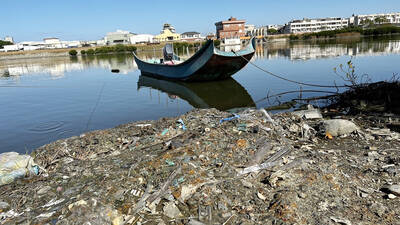
Many consumers are guilty of filling drawers or closets with old laptops, cellphones, fitness trackers and other electronic devices once they are no longer needed. It’s hard to know where to recycle such items, or it seems costly and inconvenient to do so. The world generates millions of tons of electronic waste — also called e-waste — each year. According to the UN’s most recent estimate, people worldwide produced 62 million metric tons of e-waste in 2022, and only about 22 percent of it was properly recycled. The US’ Environmental Protection Agency estimates that less than a quarter of e-waste is
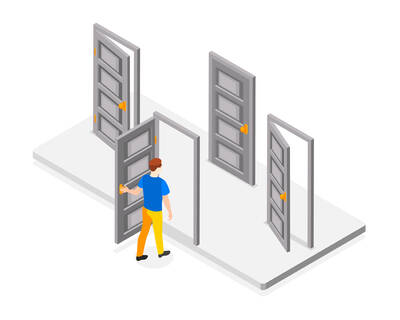
You’re sitting in class when a classmate asks to borrow a pencil. It seems like a small favor, so you agree without hesitation. The following week, the same classmate asks to share your notes. Later, they request help with a group project. You agree each time — after all, you helped out the first time — but before you know it, it has become automatic. This scenario demonstrates the “foot-in-the-door technique,” a psychological concept that shows how agreeing to small, acceptable demands makes it easier to accept larger ones later on. The name for this strategy comes from door-to-door

A: The four-day Tomb Sweeping Day long weekend begins Friday and will run until Monday. Are you going to sweep your ancestors’ tombs? B: I did in advance last weekend, so I can go to Kaohsiung to see the musical “The Phantom of the Opera.” A: Wow, is “Phantom” touring Taiwan again? It debuted in 1986, so this year marks the 40th anniversary of the show. B: And it’s not just touring Kaohsiung starting March 31, but also Taipei starting April 21 and Taichung starting May 26. A: “Phantom” is one of the world’s Four Major Musicals. I’ve seen all of them, except “Les

Continued from yesterday(延續自昨日) https://www.taipeitimes.com/News/lang Gig Tripping “Gig tripping” combines concerts with travel. People fly to see their favorite artists perform — usually abroad—and spend a few days sightseeing before or after the show. While die-hard fans have done this since the 1960s, the post-pandemic travel boom changed the game. Even people who aren’t superfans are now booking international concert trips because they want to make the most of travel opportunities. This trend exploded in the US, as the math makes sense. Domestic concert tickets are so costly that flying abroad for the show plus tourism expenses often matches or even beats the price


 RSS
RSS