


The Lantern Festival, celebrated on the 15th day of the first lunar month, is one of the most important traditional festivals in Chinese culture. The word yuan means “first,” and xiao means “night,” referring to “the first full moon night of the lunar year.” In 2026, the Lantern Festival falls on March 3 in the Gregorian calendar.
Also known as the Shangyuan Festival or Festival of Lights, the Lantern Festival marks the festive conclusion of the two-week Lunar New Year period. It symbolizes hopes for brightness, peace and reunion in the year ahead.
On this day, people traditionally enjoy lantern displays, riddle-guessing games and dragon and lion dances. The most iconic custom is eating tangyuan (glutinous rice balls), whose round shape represents family unity, harmony and completeness. Through the imagery of glowing lanterns and the full moon, the Lantern Festival not only extends the joyful New Year atmosphere but also signals a fresh beginning for the year.
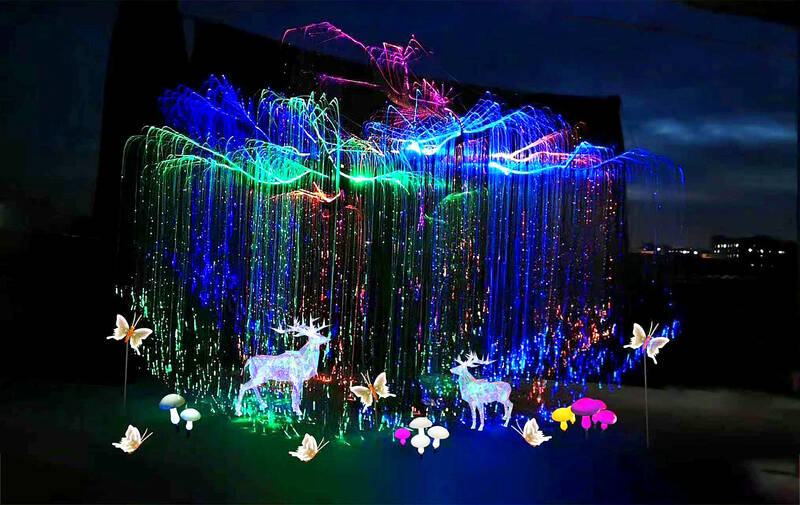
Photo courtesy of Chiayi County Government 照片:嘉義縣政府提供
In Taiwan, Lantern Festival celebrations are especially vibrant and diverse. Cities and towns across the island host large-scale lantern festivals, blending traditional craftsmanship with modern design, technology and live performances. Below is an overview of the major Lantern Festival events in Taiwan this year, including their locations, dates and key highlights.
Major Lantern Festival Events in Taiwan (2026)
1. Taiwan Lantern Festival — Chiayi County
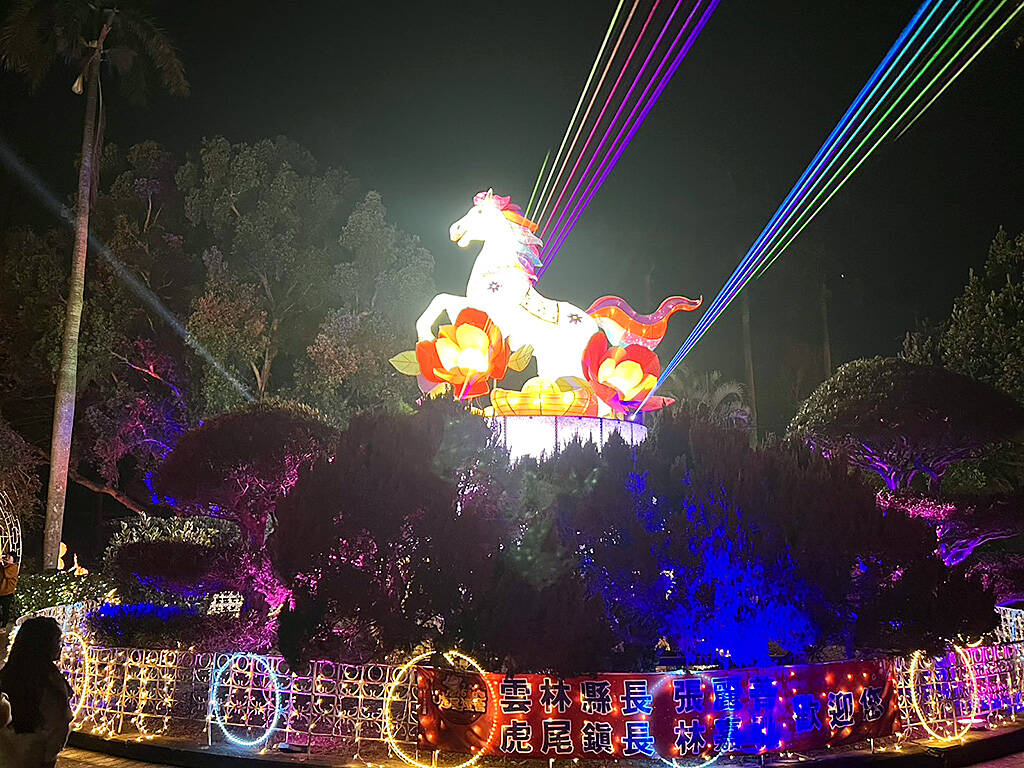
Photo: Huang Shu-li, Liberty Times 照片:自由時報記者黃淑莉
Location: Chiayi County Government Plaza and surrounding areas (including Prince Boulevard and the Southern Branch of the National Palace Museum)
Dates: March 3–March 15
Highlights:
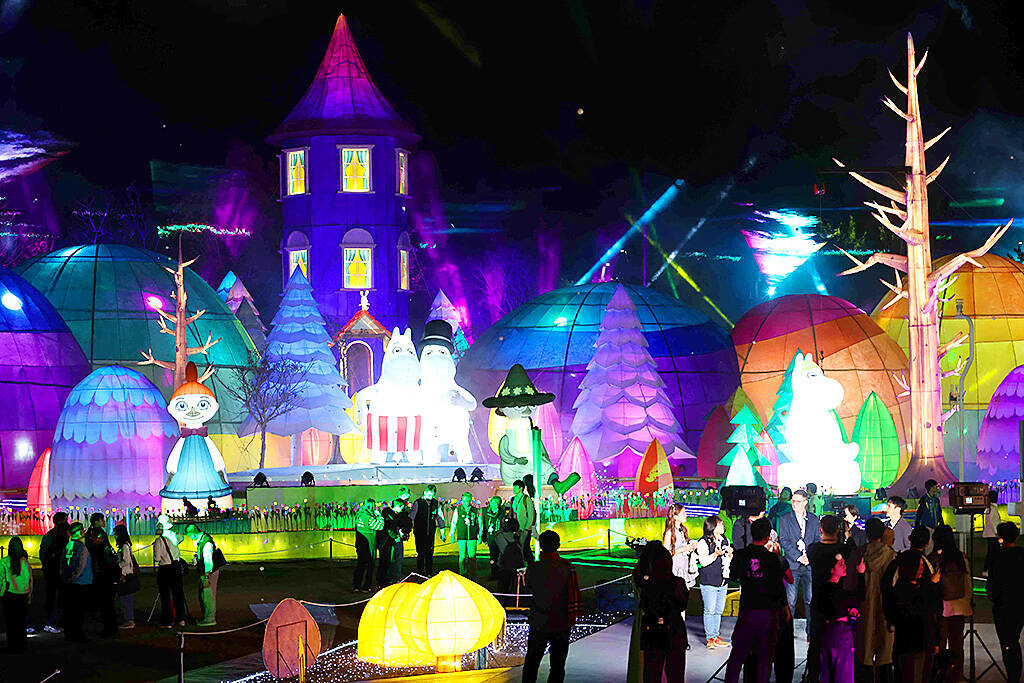
Photo: Tsai Shu-yuan, Liberty Times 照片:自由時報記者蔡淑媛
Taiwan’s national-level Lantern Festival, organized by the Tourism Administration
Features smart lighting, digital technology and multimedia art installations
Free distribution of handheld lanterns inspired by Taiwanese mascots and the Chinese zodiac
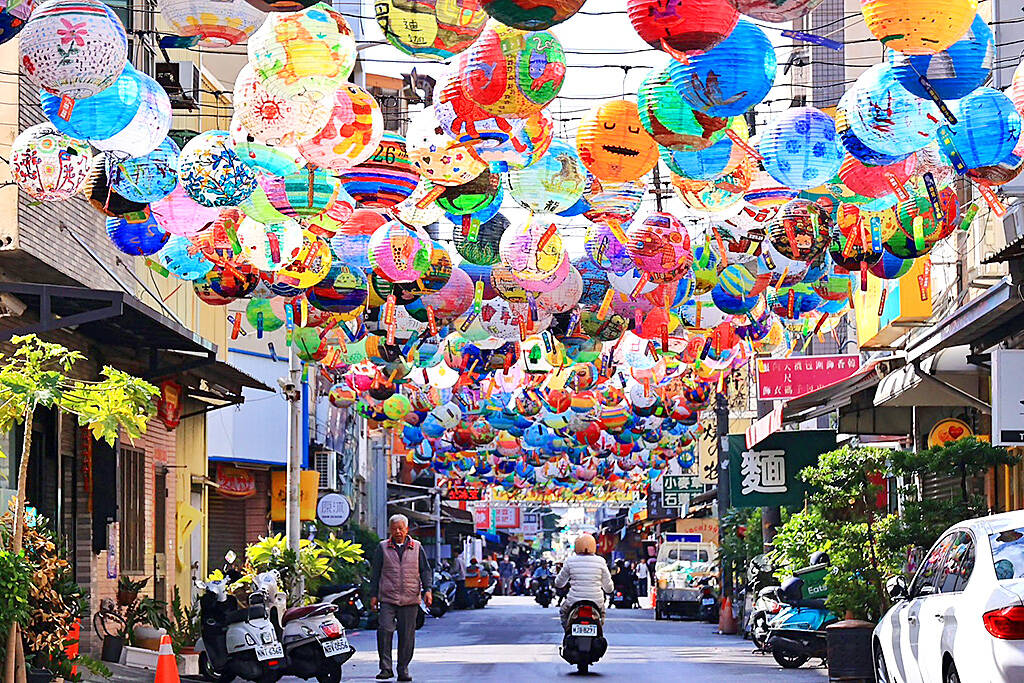
Photo: Wang Chu-hsiu, Liberty Times 照片:自由時報記者王姝琇
Best for: Visitors seeking a grand main lantern, immersive light shows and a full, large-scale festival experience.
2. Taipei Lantern Festival — Taipei City
Location: Dual venues at Ximending and Taipei Expo Park
Dates: Feb. 25–March 15
Highlights:
Two contrasting exhibition areas: a lively shopping district and a spacious park
Large IP-themed lanterns, including futuristic and sci-fi designs (such as a 10m-tall robot lantern)
Easy to combine with night markets, shopping and nightlife, ideal for evening strolls and photography
Best for: Urban explorers, photographers and travelers who enjoy city nightlife.
3. Pingxi Sky Lantern Festival — New Taipei City
Locations: Pingxi District and Shifen Square
Main Event Dates:
Feb. 27 (Pingxi)
March 3 (Shifen)
Highlights:
Famous for releasing sky lanterns carrying written wishes into the night sky
Strong traditional atmosphere, with thousands of lanterns illuminating the mountains
Best for: Those wanting the classic Lantern Festival experience of making a wish and watching it rise into the sky.
4. Central Taiwan Lantern Festival — Taichung City
Location: Taichung Central Park
Dates: Feb. 15–March 3
Highlights:
Collaborations with popular international characters (such as Moomin)
Highly interactive themes, combining light shows with large-scale art installations
Best for: Families, young visitors and anyone who enjoys playful, interactive displays.
(Lin Lee-kai, Taipei Times)
每年農曆正月十五的元宵節,是華人傳統節日之一。「元」意為第一,「宵」是夜晚,意思就是:一年中的第一個月圓之夜。今年的元宵節,落在陽曆3月3日。
元宵節又稱「上元節」或「燈節」,象徵為期兩週的春節圓滿收尾,也寄託人們對新一年光明、平安與團圓的期盼。
節日當天,民間普遍有賞花燈、猜燈謎、舞龍舞獅等活動,其中最具代表性的習俗為食用元宵或湯圓,取其圓潤之形,寓意家庭和諧、人際圓滿。
透過燈火與月圓的意象,元宵節不僅延續年節的喜慶氛圍,也為新一年的生活揭開序幕。
元宵節在台灣的慶祝方式多元而熱鬧。各地常舉辦燈會活動,展示結合傳統與現代設計的花燈,並搭配表演活動,吸引民眾參與。
2026年台灣元宵燈會及相關慶祝活動:
1. 2026台灣燈會一嘉義縣
地點:嘉義縣政府廣場及周邊(含太子大道、國立故宮博物院南部院區一帶)
日期:3月3日~3月15日
特色:
全國性主燈會,由交通部觀光局主辦
結合智慧燈光、數位科技與多媒體藝術
手提特色小燈籠(如結合台灣吉祥物與生肖主題)每日發放
適合想看大型主燈展、科技光影與完整燈會體驗的人。
2. 台北燈節一台北市
地點:西門町與台北花博公園雙展區
日期:2月25日~3月15日
特色:
雙展示區設計(西門町熱鬧商圈+花博公園)
大型IP主題燈(如10米高的機器人主燈、科幻元素)
商圈夜生活與周邊夜市結合,適合晚間漫遊、拍照打卡
3. 平溪天燈節一新北市平溪/十分
地點:平溪區、十分廣場
主要場次:
2月27日(平溪)
3月3日(十分)
特色:
以空中放天燈祈願聞名
傳統活動氣氛濃厚,夜空被成千上萬天燈照亮
若想體驗寫心願並放飛天燈的經典節慶畫面,這是元宵節最具代表性的活動之一。
4. 中台灣元宵燈會一台中市
地點:台中中央公園
日期:2月15日~3月3日
特色:
與知名IP(如嚕嚕米Moomin)結合,主題互動性強
同時結合光影表演與大型裝置藝術
親子與年輕族群喜歡的主題燈飾與互動體驗較多。
(台北時報林俐凱)
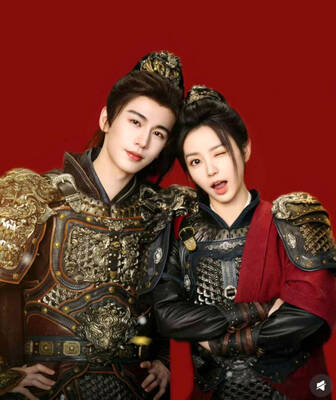
A: Which TV drama series have been global hits so far this year? B: The US drama “Stranger Things 5,” South Korean drama “Can This Love Be Translated?” and Chinese megahit “Pursuit of Jade” are all popular lately. A: Isn’t “Pursuit of Jade” the costume idol drama about the romance between a charming marquis and a pig-slaughterer? Actor Zhang Linghe and actress Tian Xiwei are both so attractive. B: Plus, Netflix’s Korean-Japanese gay romance drama “Soul Mate” — starring Korea’s Ok Taec-yeon and Japan’s Hayato Isomura — is set to premiere in May. A: These hit international dramas
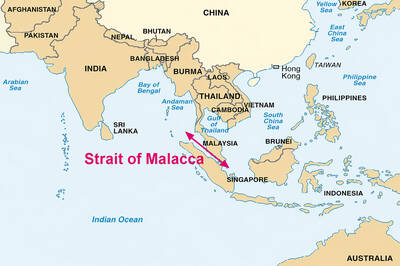
The closure of the Strait of Hormuz has forced policymakers in Asia to face questions over the security of other maritime chokepoints, including the Strait of Malacca, which is the world’s busiest waterway for international trade. WHAT IS THE MALACCA STRAIT? The 900km long Malacca Strait, bounded by Indonesia, Thailand, Malaysia and Singapore, provides the shortest sea route from East Asia to the Middle East and Europe. It carries nearly 22 percent of the world’s maritime trade, according to the Center for Strategic and International Studies (CSIS). This includes oil and gas shipments from the Middle East to the energy-hungry economies of China,
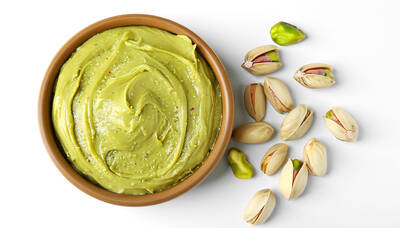
It seems like every year, new foods or drinks start trending and suddenly show up everywhere. A decade ago, avocado __1__ restaurant menus, while oat milk became the must-have addition to your coffee in cafes around five years back. The latest trend to hit this list is the pistachio. This flavorful green nut now features in everything from chocolate bars to Indian curries. While pistachios have long played a central role in certain regional cuisines, their recent global __2__ can be traced to Dubai. There, a specialty chocolate shop went __3__ on TikTok for one of its chocolate bars

One reason pistachios have taken the food world by storm compared to other nuts is their soft, green color. When ground down into a cream or butter, the green hue __6__ nicely with golden pastries or dark-brown chocolate, making it perfect for Instagram photos and TikTok videos. Their labor-intensive cultivation and __7__ also contribute to their image as a premium ingredient. Thus, buying a pistachio-based product often feels like a __8__ treat. Pistachios also stand out for their distinct flavor and health __9__. They have a subtle, sweet, earthy flavor that goes well with both sweet desserts and


 RSS
RSS