


A: Harvard professor Robert Waldinger’s “7-day Happiness Challenge” includes: Day 1: Take stock of your relationships; Day 2: The secret power of an 8-minute phone call; Day 3: Small talk with strangers has big benefits.
B: That’s not too hard. What’s next?
A: Day 4: Why you should write a “living eulogy;” Day 5: The importance of making work friends; Day 6: Don’t cancel those social plans.

Photo: Liberty Times 照片:自由時報
B: Good ideas. What’s the final challenge?
A: Day 7: Keep happiness going all year long. So, I’m inviting some friends to the Taipei Lantern Festival today to build good relationships. Wanna join us?
A: 哈佛大學瓦丁格教授的「7天快樂挑戰」包括:第1天:評估人際關係的現況;第2天:聯絡親友通話8分鐘;第3天:跟陌生人寒暄好處多。
B: 聽起來不難嘛,然後呢?
A: 第4天:讚美他人自己也開心;第5天:嘗試與某同事做朋友;第6天:擬定社交計畫不失約。
B: 好主意,那終極挑戰呢?
A: 第7天:持續行動快樂一整年!我今天就約朋友們去「台北燈節」走走,來加強一下人際關係。你想一起去嗎?(By Eddy Chang, Taipei Times/台北時報張迪)

A: In addition to the biopic “Michael,” comedy “The Devil Wears Prada 2” is finally in theaters. I can’t believe it’s been 20 years since the 2006 debut of the original film. B: Does the sequel still revolve around the fashion industry? A: This time, “Miranda,” the fashion magazine editor-in-chief played by Meryl Streep, will team up with her former assistant “Andy,” played by Anne Hathaway, to fight against Emily, her other ex-assistant played by Emily Blunt. B: Isn’t the role of “Miranda” based on then US “Vogue” editor-in-chief Anna Wintour? A: Yup, it established Anna’s fashion status, influenced pop culture
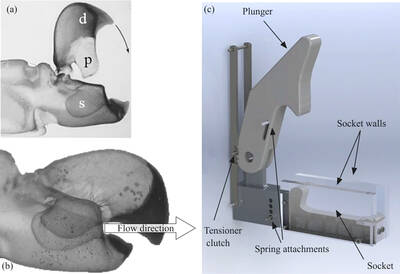
Few sea creatures of their size have as much destructive power as pistol shrimp. These small animals, usually measuring around four centimeters long, produce shock waves that can stun or even kill their prey. The attack begins when the shrimp opens its specialized claw, allowing water to fill a chamber inside. Then the claw closes rapidly. A bump on the claw strikes the chamber, forcing the trapped water out through a narrow opening at a high speed of about 25 meters per second. The rapid movement forms a bubble in the water that collapses almost instantly under the pressure of the

★ Bilingual Story is a fictionalized account. 雙語故事部分內容純屬虛構。 Rain hammered the roof in hard, uneven bursts. “Hold him still!” Baosheng pressed one hand against the stranger’s brow as the man twisted on the wooden bed. His left eye was swollen shut. The right one burned red like a coal. “It feels like fire,” the man gasped. “Like something is clawing inside.” Thunder rolled across the mountain. Baosheng leaned closer. The man’s skin was cold, but heat rose from his face. A strange smell hung in the air. He began the four methods of diagnosis: looking, listening/smelling,
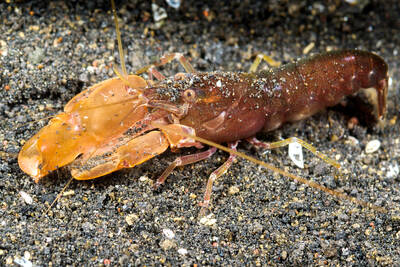
Continued from yesterday(延續自昨日) https://www.taipeitimes.com/News/lang One way to monitor marine biodiversity is to send divers down to take photos and notes; however, this method is expensive, time-consuming, and sometimes risky. On coral reefs, noise is an indicator of a healthy seabed. This is largely thanks to pistol shrimp, which often live inside sea sponges on coral reefs. The healthier the reef, the more pistol shrimp it hosts. This makes them perfect biological indicators. However, counting them visually is tricky because they often stay hidden. To address this, scientists turn to sound. Pistol shrimp snaps are loud, short, and rich in energy. They stand out


 RSS
RSS