


Continued from yesterday(延續自昨日)
https://www.taipeitimes.com/News/lang
One way to monitor marine biodiversity is to send divers down to take photos and notes; however, this method is expensive, time-consuming, and sometimes risky. On coral reefs, noise is an indicator of a healthy seabed. This is largely thanks to pistol shrimp, which often live inside sea sponges on coral reefs. The healthier the reef, the more pistol shrimp it hosts. This makes them perfect biological indicators. However, counting them visually is tricky because they often stay hidden.
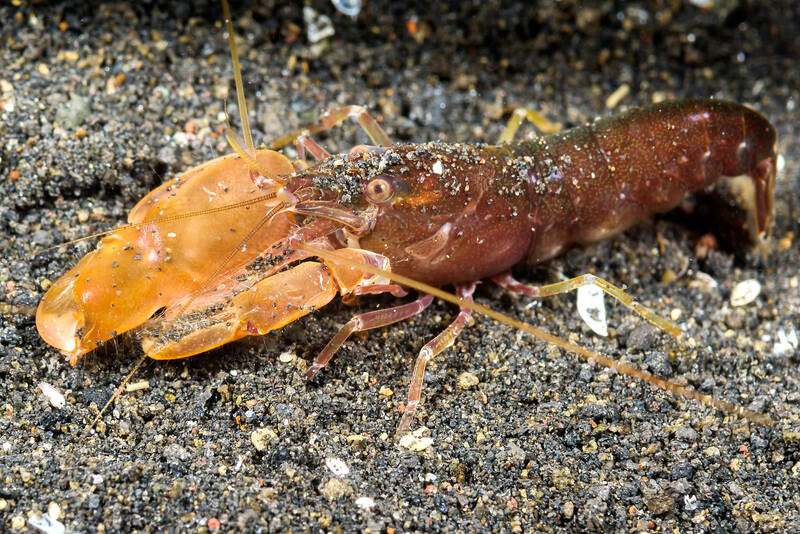
Photo: AdobeStock I 照片: AdobeStock
To address this, scientists turn to sound. Pistol shrimp snaps are loud, short, and rich in energy. They stand out from background ocean noise. Scientists use underwater microphones, called hydrophones, to detect these sounds. By placing these microphones in strategic patterns, experts can analyze where these sounds come from and estimate the population size without disturbing ocean life.
Pistol shrimp populations are now showing up in surprising new locations where the water was once too cold for them to survive. Their expanding range signals warming seas and shifting climate patterns. These noisy little creatures are no longer just indicating reef health. They’re broadcasting warnings about Earth’s environmental changes. Maybe it’s time we listened more carefully to what all that snapping is really telling us.
監測海洋生物多樣性的一種方法是派潛水人員下水拍照和記錄;不過這種方法昂貴又耗時,有時還很危險。在珊瑚礁,噪音是健康海床的指標。這主要是因為槍蝦,牠們通常棲息於珊瑚礁的海綿內。珊瑚礁愈健康,在上頭棲息的槍蝦就愈多。這使得槍蝦成為完美的生物指標。不過因為牠們常常躲起來,所以很難用肉眼來計數槍蝦。

Photo: Ivy English I 照片:常春藤解析英語
為了解決這項問題,科學家改用聲音。槍蝦的啪嚓聲響亮、短促且能量十足,在海洋背景噪音中格外突出。科學家使用一種稱為水聽器的水下麥克風來偵測這些聲響。將這些麥克風以策略性的模式放置,專家得以分析這些聲響來自何方,並在不打擾海洋生物的情況下估算出槍蝦數量。
槍蝦群現今出現在一些令人意外的新地點,這些地方的水溫過去對槍蝦來說太低而無法生存。牠們擴張的分布範圍表示海洋正在暖化、氣候模式正在轉變。這些吵鬧的小生物不再只是珊瑚礁健康狀況的指標。牠們正發出地球環境變化的警訊。或許是時候讓我們更仔細聆聽所有那些啪嚓聲真正想告訴我們的訊息。
What Did You Learn?
1. What does the author mean by saying “noise is an indicator of a healthy seabed” in the first paragraph of the Day 2 passage?
(A) The shock waves scare away sea creatures that might harm the reefs.
(B) The constant snapping sounds suggest a reef rich in marine life.
(C) The loud snapping creates more oxygen for the coral reefs.
(D) The shock waves help clean the coral reefs.
2. What is the main idea of the last paragraph of the passage?
(A) The spread of pistol shrimp is causing ocean temperatures to rise.
(B) The presence of pistol shrimp in new areas reflects global warming.
(C) Pistol shrimp are becoming a new food source for marine life in colder regions.
(D) Pistol shrimp are evolving to become louder in order to survive in new environments.
參考答案 : 1. B 2. B
Words in Use
1. ceremony n. 典禮,儀式
an award ceremony 頒獎典禮
At last, the movie star has arrived at the award ceremony.
那位電影明星終於到達了頒獎典禮現場。
2. monitor vt. 監測
Scientists monitor the movements of birds to study their habits.
科學家監測鳥類的行動軌跡以研究牠們的習性。
3. time-consuming a. 耗時的
consume vt. 消耗
Cleaning this large house alone is a very time-consuming task.
獨自打掃這間大房子是一項非常耗時的工作。
4. risky a. 危險的,冒險的
Going hiking during heavy rain is risky.
在下大雨時爬山很危險。
5. host vt. 為……提供棲息環境
These old trees host many birds and insects.
許多鳥類和昆蟲棲息在這些老樹上。
6. visually adv. 視覺上
The change was not obvious visually, but the instruments detected it.
從肉眼來看變化並不明顯,但儀器偵測到了。
Practical Phrases
1. turn to. . . 改用∕開始使用……
To improve student engagement, the teacher turned to group discussions.
為提升學生參與度,這位老師開始採用小組討論的方式。
2. stand out 突出,顯眼(常與介詞 from 並用)
The bright red house stands out from the other grey buildings nearby.
這棟亮紅色的房子在附近其他灰色建築中顯得格外醒目。
3. show up 出現
Side effects may show up weeks after the treatment begins.
副作用可能在治療開始數週後才出現。
聽文章朗讀及講解: https://ivy.pse.is/455bfu
本文出自常春藤解析英語雜誌: www.ivy.com.tw
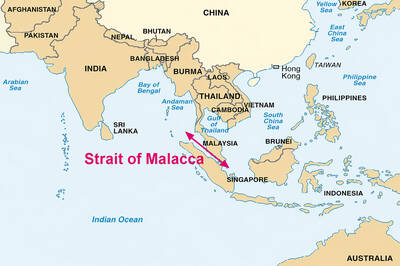
The closure of the Strait of Hormuz has forced policymakers in Asia to face questions over the security of other maritime chokepoints, including the Strait of Malacca, which is the world’s busiest waterway for international trade. WHAT IS THE MALACCA STRAIT? The 900km long Malacca Strait, bounded by Indonesia, Thailand, Malaysia and Singapore, provides the shortest sea route from East Asia to the Middle East and Europe. It carries nearly 22 percent of the world’s maritime trade, according to the Center for Strategic and International Studies (CSIS). This includes oil and gas shipments from the Middle East to the energy-hungry economies of China,

Cameras are everywhere — in our pockets, on our walls and even in space. They capture emotions, preserve history and reflect culture. Through these devices, photography is now essential to modern life, influencing how we perceive ourselves and the world. To understand the root of their power, let’s explore the camera’s remarkable journey. The story begins with the camera obscura, a dark room with a tiny hole. Light passing through the opening projected an inverted image on the opposite wall. Renaissance artists used this principle to paint accurate scenes. However, these images couldn’t be preserved as photographs. That changed

A: This year’s two most anticipated films have finally hit theaters in Taiwan. “Michael” premiered last Wednesday, while “The Devil Wears Prada 2” premiered this Wednesday ahead of its global release. B: Isn’t “Michael” the biopic about the late King of Pop Michael Jackson? A: Yup, it tells the story of Michael’s legendary life, from child star to global icon. And the role is in fact played by his nephew, Jaafar Jackson. B: Michael caused a sensation when touring Taiwan twice in 1993 and 1996. His classic hits, dance moves and music videos reshaped global pop culture at that time. A: I’m gonna
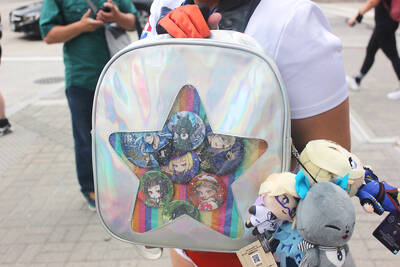
對話 Dialogue 華華:欸,你最近有沒有發現,路上很多人背的包包上還有一個透明的小包包? Huáhua: Èi, nǐ zuìjìn yǒu méiyǒu fāxiàn, lùshàng hěn duō rén bēi de bāobāo shàng hái yǒu yí ge tòumíng de xiǎo bāobāo? 清清:我上次去逛街,也注意到了。我看到好多人把吊飾、照片或娃娃什麼的放進小包裡,掛在包包上。那叫什麼啊? Qīngqīng: Wǒ shàngcì qù guàngjiē, yě zhùyì dào le. Wǒ kàndào hǎo duō rén bǎ diàoshì, zhàopiàn huò wáwa shénme de fàng jìn xiǎo bāo lǐ, guà zài bāobāo shàng. Nà jiào shénme a? 華華:聽說有兩種,一種叫「痛包」,一種叫「娃包」或「曬娃包」。 Huáhua: Tīngshuō yǒu liǎng zhǒng, yì zhǒng jiào “tòngbāo”, yì zhǒng jiào “wábāo” huò “shàiwábāo”. 清清:「痛包」這個說法我聽過,就是在包包上大量展示自己喜歡的東西。但「曬娃包」還是第一次聽到。為什麼叫「曬娃包」? Qīngqīng: “Tòngbāo” zhège shuōfǎ wǒ tīng guò, jiù shì zài bāobāo shàng dàliàng zhǎnshì zìjǐ xǐhuān de dōngxi. Dàn “shàiwábāo” háishì dì yí cì tīng dào. Wèishéme jiào “shàiwábāo”? 華華:因為很多人會把自己喜歡的娃娃放進透明包裡,帶出去拍照,曬給大家看。 Huáhua: Yīnwèi hěn


 RSS
RSS