


People use far more than just spoken language to communicate. Apart from using our voices to pronounce words, we also use body language, which includes countless facial expressions. Most people know that smiles and frowns indicate pleasure and displeasure, or that wide eyes with raised eyebrows typically show surprise. However, there is a lot more to learn about how facial expressions can help or hinder communication.
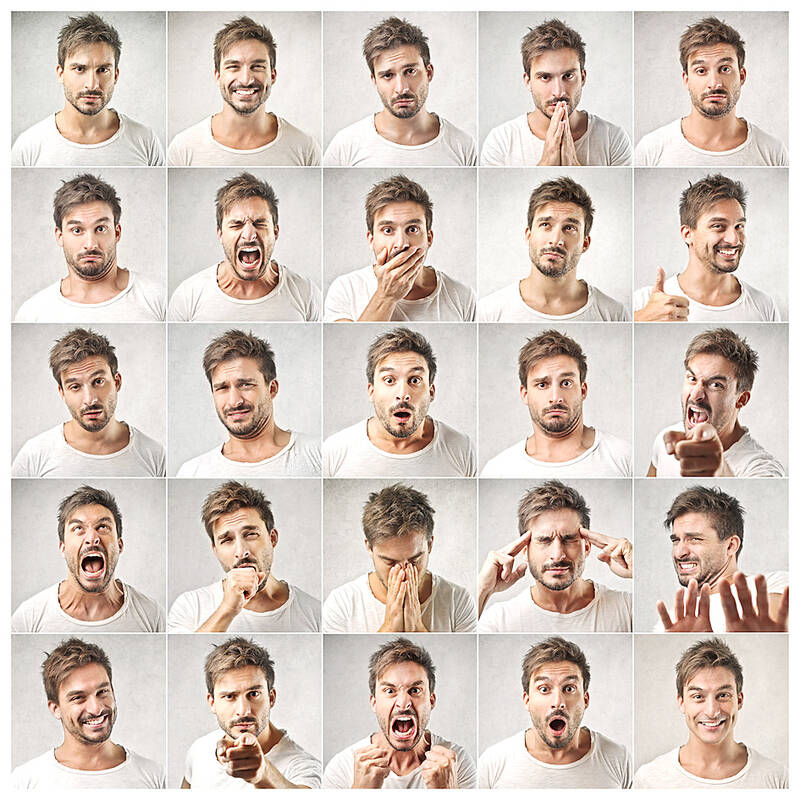
People often unintentionally reveal their emotions through very tiny facial movements known as “microexpressions.” The term was popularized by psychologist Paul Ekman, who found that people from cultures across the world generally recognize and display the same facial expressions for seven basic human emotions. These expressions are involuntarily triggered by feelings of happiness, sadness, disgust, surprise, contempt, anger, and fear.
With few exceptions, Ekman discovered that certain facial expressions come naturally when humans experience one of these seven key emotions. It is difficult to avoid making a microexpression when one experiences the corresponding emotion. However, with practice or serious focus, it can be achieved. This technique is referred to as “masking,” and it’s a powerful tool because it allows a person to hide their true emotions and control the message they wish to convey in a conversation.
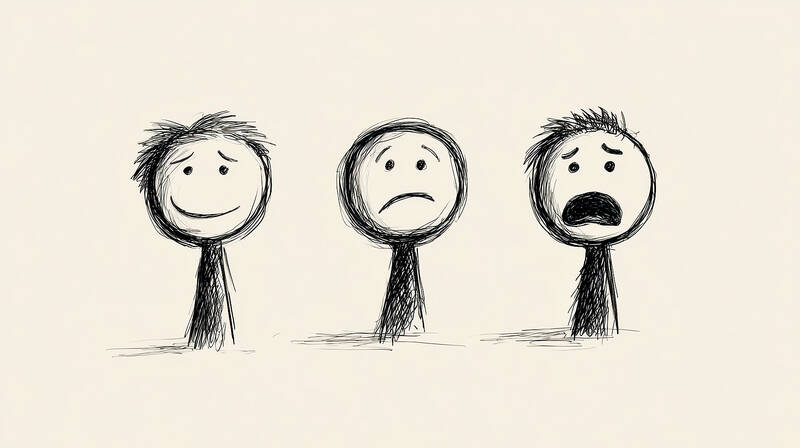
Photo: AdobeStock 照片: AdobeStock
Conversely, learning to recognize microexpressions and when people are trying to mask them can make it easier for people to perceive the mental state of others during conversations. You may be able to sense a discrepancy between someone’s words and actions, such as when a person is in distress but trying not to show it. A skilled communicator armed with a knowledge of microexpressions can gauge when others are trying to conceal their emotions.
人們用來溝通的方式遠遠不只口說語言。除了透過聲音把字念出來,我們也使用肢體語言,其中包含無數的臉部表情。大多數人都知道,微笑和皺眉代表愉悅和不悅,或睜大眼睛與揚起的眉毛通常表示驚訝。然而,關於臉部表情如何幫助或阻礙溝通,還有許多值得學習的地方。
人們常會透過非常微小的臉部動作無意中洩漏自己的情緒,這些臉部動作稱為微表情。這個詞彙由心理學家保羅艾克曼推廣而普及,他發現來自世界各地不同文化的人們一般都能辨識並展現相同的七種人類基本情緒的臉部表情。這些表情會不由自主地被快樂、悲傷、厭惡、驚訝、輕蔑、憤怒和恐懼等感覺所觸發。
Photos: AdobeStock 照片: AdobeStock
艾克曼發現,除了少數例外,當人經歷這七種關鍵情緒的其中一種時,特定的臉部表情便會自然產生。當一個人感受到相對應的情緒時,很難避免做出微表情。然而,透過練習或高度專注,這是有可能辦到的。這項技能稱為「掩飾」,是一種強大的工具,因為它能讓一個人在溝通中隱藏其真實情緒並控制自己所希望傳達的訊息。
相反地,學習辨識微表情以及人們何時試圖掩飾它們,可以讓人更容易在對話中察覺他人的心理狀態。你或許能察覺到某人的言行不一,例如當某人正處於痛苦中但試圖不展現出來。一位具備微表情知識的熟練溝通者,能判斷他人何時試圖隱藏情緒。
What Did You Learn?

Photos: AdobeStock 照片: AdobeStock
1. According to the two-day passage, which of the following is true about microexpressions?
(A) They are purposely made when people feel a certain emotion.
(B) They are used and understood only within a few specific cultures.
(C) They often lead to misunderstandings because human communication relies entirely on spoken language.
(D) They can be identified, and mastering this skill helps detect inconsistencies between a person’s words and actions.
2. What does the word “it” in the third paragraph of the Day1 passage refer to?
(A) Learning how expressions influence communication.
(B) Naturally displaying facial expressions.
(C) Successfully hiding a microexpression.
(D) Practicing deep concentration.
答案: 1. D 2. C
Words in Use
1. hinder vt. 阻礙,妨礙
Bad weather can hinder the progress of construction.
惡劣的天氣可能會妨礙施工進度。
2. unintentionally adv. 無意間
Michael unintentionally offended his friend with a careless comment.
麥可一句不經意的評論無意中冒犯了朋友。
3. popularize vt. 使普及
Social media helped popularize street fashion among young people.
社群媒體幫助街頭時尚在年輕人之間普及起來。
4. involuntarily adv. 不由自主地,無意識地
Tears rolled down my cheeks involuntarily as I listened to the sad story.
當我聽著那個悲傷的故事時,眼淚不由自主地滑落臉頰。
5. trigger vt. 引發,引起
Loud noises can trigger anxiety in some people.
大聲的噪音可能會引發某些人的焦慮。
Practical Phrases
1. refer to A as B 稱A為B
Many people refer to John as a genius in the tech industry.
許多人把約翰稱為科技產業的天才。
2. make it + Adj. (+ for sb + to V)
使某人能……地(做)……
The noise made it difficult for me to concentrate on my homework.
噪音讓我很難專心寫作業。
3. be armed with...
具備或擁有……(某種工具、知識或能力)
The students were armed with a good understanding of the topic before the exam.
學生們在考試前已經具備了對主題的充分理解。
To be continued tomorrow(明日待續)
https://www.taipeitimes.com/News/lang
聽文章朗讀及講解: https://ivy.pse.is/455bfu
本文出自常春藤解析英語雜誌: www.ivy.com.tw

Taiwan Travelogue, the novel by Taiwanese author Yang Shuang-zi and translated into English by Lin King, won the prestigious International Booker Prize in London on May 19. It marks the first time a Taiwanese literary work has received the International Booker Prize, setting a historic milestone both for Taiwanese literature and for the award itself. Prior to this achievement, Taiwan had only once appeared on the Booker radar, when Taiwanese author Wu Ming-yi was longlisted for the Booker Prize in 2018 with The Stolen Bicycle. The International Booker Prize honors works of fiction translated into English and published in the UK or Ireland.

A: Time magazine recently released its list of “The 100 Most Influential People of 2026.” It’s categorized into six groups: Artists, Pioneers, Titans, Icons, Leaders and Innovators. B: TSMC chairman C.C. Wei made the list this year. Which category is he in? A: Wei is actually among the Pioneers, with figures including Disney CEO Josh D’Amaro and MrBeast — the first YouTuber ever to surpass 400 million subscribers. B: Led by Wei, Taiwan’s “silicon shield” TSMC is the sixth-largest company in the world. A: As Nvidia founder Jensen Huang wrote in his introduction, “C.C. Wei is truly one of the
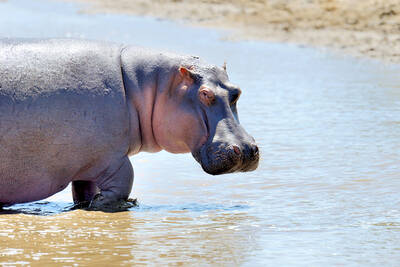
The animal kingdom is full of surprises that challenge our understanding of biology. From remarkable feeding mechanisms to extreme defense strategies, some creatures possess traits so unusual that they seem like pure fiction. Here are four fascinating examples that show nature’s endless creativity. The humble snail may appear simple, but its mouth tells a different story. Snails possess a ribbon-like tongue called a radula, densely covered with anywhere from 1,000 to 12,000 tiny teeth. This structure works like a cheese grater, allowing them to scrape and grind food with surprising efficiency. Far from being passive creatures, snails are actually
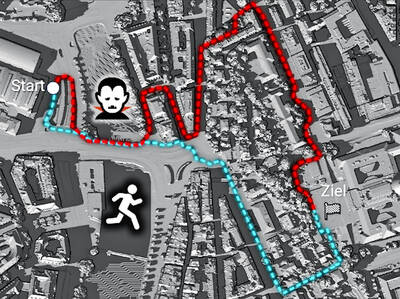
As climate change and urbanization push city temperatures higher, walking outdoors is becoming increasingly uncomfortable in many parts of the world, especially when prolonged time spent in sunlight is involved. As a result, outdoor lovers are now seeking cooler, shaded walking routes. However, most mainstream map apps still do not __1__ shaded footpaths. Enter routing.osm.ch — a Swiss web-based route planner that introduces a novel solution to this problem. Its “Vampire mode,” named after the legendary creatures’ fear of being __2__ natural light, was developed by a Swiss research team led by Professor Stefan Keller. The platform combines open data from


 RSS
RSS