


Twelve dinner guests have just left your house, and now a tower of greasy plates stares back at you mockingly. Your hands are already wrinkling as you think about scrubbing each dish by hand. This nightmare bothered households for centuries until inventors in the 19th century tried to solve the problem. The first mechanical dishwashers, created in the 1850s, were wooden machines with hand cranks that splashed water over dishes. Unfortunately, these early devices were unreliable and often damaged delicate items.
The real breakthrough came in the 1880s thanks to Josephine Cochrane, a wealthy American socialite. According to her own account, she became frustrated by servants breaking her expensive china plates when washing them by hand, so she decided to invent a better solution. She designed wire racks to hold dishes securely, which solved the problem of fragile items being damaged. At the same time, hot, soapy water continuously streamed over everything, so the dishes were cleaned far more thoroughly than in previous machines.
Recognizing her invention’s potential, Cochrane took it to market. She patented her design in 1886 and then started her own company to manufacture the machines. In 1893, she presented her dishwasher at the World’s Columbian Exposition, where it drew considerable interest from hotels and restaurants. Soon after, Cochrane’s revolutionary dishwasher inspired many companies to follow her lead. They adapted her basic design to develop dishwashers powered by steam.
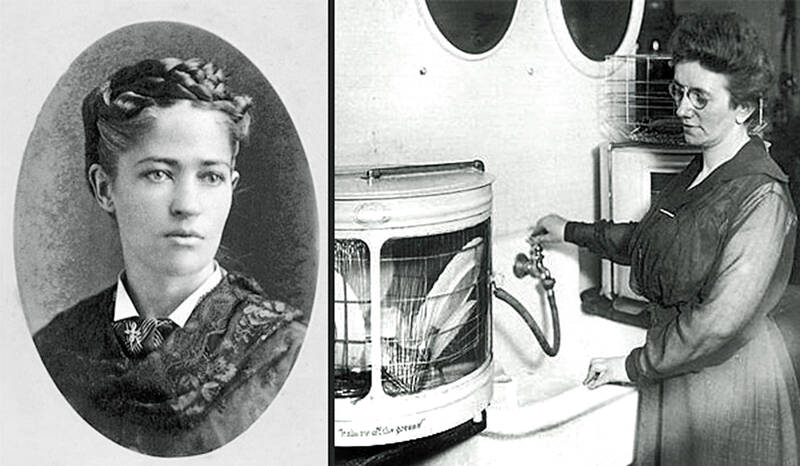
Photo: Flickr / 照片:Flickr
However, it was hard for dishwashers to enter the household market at first. Early models were large, expensive, and impractical for most homes. It was not until the 1950s, when hot water systems and plumbing improved and dishwashers became smaller and more affordable, that they became widespread. What began as one woman’s frustration with broken china plates eventually changed kitchens around the world. Her story not only proves that women can excel in engineering, but also that even daily annoyances can lead to extraordinary innovation.
十二位晚宴賓客剛離開你家,眼前一座由油膩碗盤堆成的塔正嘲諷般地盯著你。光是想到你得用手一個個刷洗,你的雙手就已經開始發皺了。這樣的夢魘困擾了無數家庭好幾個世紀,直到西元19世紀的發明家們試圖解決這個問題。西元 1850 年代發明的第一批機械式洗碗機,是配有手搖把手的木製機器,會將水潑灑到碗盤上。不幸的是,這些早期設備既不可靠又經常損壞易碎器皿。
真正的突破出現在西元1880年代,這要歸功於一位富有的美國社交名媛約瑟芬科克倫。根據她自己的說法,她因為僕人在手洗時打破了她昂貴的瓷盤而感到挫敗,因此決定發明一個更好的解決方案。她設計了金屬架來牢牢固定碗盤,解決了易碎器皿受損的問題。與此同時,熱的肥皂水會持續不斷地流過所有碗碟,因此讓餐具清洗得遠比先前的機器徹底。
科克倫看出她這項發明的潛力,便將它推向市場。她於西元1886年為自己的設計取得專利,然後創辦自己的公司來生產這些機器。西元1893年,她在世界哥倫布博覽會上展示她的洗碗機,引起飯店與餐廳業者的高度關注。不久之後,科克倫的革命性洗碗機啟發許多公司跟進。他們改良她的基本設計,開發出以蒸氣為動力的洗碗機。
然而,洗碗機一開始很難進入一般家庭市場。早期的機型體積龐大、價格昂貴,而且對大多數家庭來說不實用。直到西元1950年代,隨著熱水系統與管線設備改善,洗碗機變得更小巧且更實惠時,它們才得以普及。最初從一位女性因瓷盤破碎產生的沮喪開始,最終改變了全世界的廚房。她的故事不僅證明了女性在工程領域能大放異彩,也證明了即使是日常生活中的煩惱也能激發出非凡的創新。
MORE INFORMATION
wrinkle v. 皺起;起皺紋
crank n. 曲柄把手
socialite n. 社交界名流
soapy adj. 含有肥皂的
World’s Columbian Exposition 世界哥倫布博覽會(又稱芝加哥世界博覽會,於西元1893年在芝加哥舉行,主要為紀念哥倫布航抵美洲400週年,是歷屆世界博覽會中規模最大之一)
plumbing n. 水管裝置;管路系統
excel in sth 在……表現出色
annoyance n. 煩惱;惱怒
KEY VOCABULARY
1. nightmare n. 惡夢
With a scream, Brad awoke from a terrible nightmare.
布萊德尖叫了一聲,從一場可怕的惡夢中醒來。
2. mechanical adj. 機械(式)的
The invention of mechanical weaving made the process of making clothes much more efficient.
機械編織的發明使製作衣服的過程更加有效率。
3. device n. 裝置;設備
Kelly always carries a small device that helps translate foreign languages while she travels.
凱莉旅行時總是帶著一個能翻譯外語的小設備。
4. thoroughly adv. 徹底地;仔細地;非常
The police thoroughly searched the building but found nothing suspicious.
警方徹底搜查了整棟建築,但沒發現可疑之處。
5. patent vt. 取得……的專利
In 1873, business owner Levi Strauss patented the first style of blue jeans.
西元1873年,企業老闆李維.史特勞斯取得第一款藍色牛仔褲的專利。
6. manufacture vt. 製造;生產
Dan’s factory manufactures hundreds of car tires every day and then sends them out on trucks.
丹的工廠每天生產數百個汽車輪胎,接著用卡車把它們運送出去。
7. revolutionary adj. 創新的;革命性的
This business strategy is nothing short of revolutionary; it could save the company.
這個商業策略簡直就是革命性的;它可以拯救這間公司。
8. frustration n. 沮喪;挫折
frustrated adj. 灰心的;挫敗的
Jenna’s face showed clear frustration after trying multiple times to solve the problem.
在多次嘗試解決這個問題後,珍娜的臉上流露出明顯的沮喪。
9. engineering n. 工程設計;工程學
This building is where the engineering department is; you can see models of the students’ designs in the halls.
這棟建築物是工程系的所在地;你可以在大廳看到學生的設計模型。
空中美語APP+︰全新AI學習,限時免費! (學習音檔) https://www.english4u.net/qr/app.html
文章由AMC空中美語授權使用: https://www.english4u.net
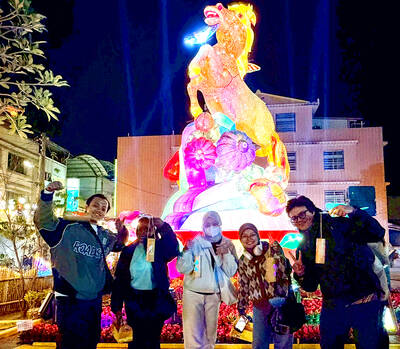
A: Harvard professor Robert Waldinger’s “7-day Happiness Challenge” includes: Day 1: Take stock of your relationships; Day 2: The secret power of an 8-minute phone call; Day 3: Small talk with strangers has big benefits. B: That’s not too hard. What’s next? A: Day 4: Why you should write a “living eulogy;” Day 5: The importance of making work friends; Day 6: Don’t cancel those social plans. B: Good ideas. What’s the final challenge? A: Day 7: Keep happiness going all year long. So, I’m inviting some friends to the Taipei Lantern Festival today to build good relationships. Wanna

A: Happy Lunar New Year. I wish you joy and health in the Year of the Horse. B: Thanks, you too. Actually, the Harvard Study of Adult Development claims that they’ve finally discovered the secret to living a happy life after 85 years of research. A: What is it? Money? Fame? Career? B: Nope, the key is good relationships. Professor Robert Waldinger, the principal investigator, portrays one’s relationships as “social fitness,” and has worked with the New York Times to launch the “7-day Happiness Challenge.” A: I wanna be socially fit. How can I participate in this challenge? A:
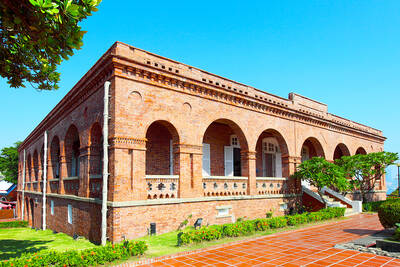
★ 本文由生成式 AI 協作,本刊編輯編修。 For tourists looking for a scenic way to spend an afternoon in Kaohsiung, heading to the British Consular Residence of Takao is the perfect choice. Its elevated position allows one to take in the bustling Kaohsiung Harbor to the east and the dazzling sunset over Sizihwan Bay to the west. This elegant red-brick building also serves as a portal to the city’s rich history. Interestingly, for 70 years, many people mistakenly identified this residence as the actual consulate. The history of “Takao,” the former name of Kaohsiung, began its international chapter in the mid-19th century. As European powers
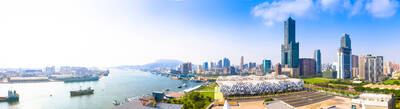
★ 本文由生成式 AI 協作,本刊編輯編修。 Continued from yesterday(延續自昨日) https://www.taipeitimes.com/News/lang Kaohsiung’s deep connection with the sea continues to thrive, with Kaohsiung Harbor remaining a crucial hub for global shipping. In addition to the port, the city has emerged as a major player in another world-class maritime industry—yacht manufacturing, responsible for producing 80 percent of all Taiwan-made yachts. The yacht industry in Taiwan originated in the post-World War II era, when the US military presence in Taiwan provided local boat builders with guidance on making wooden yachts. The resulting craftsmanship was so exquisite that orders soon poured in. In 1977, Taiwan replaced Canada as the main yacht


 RSS
RSS