


★ 本文由生成式 AI 協作,本刊編輯編修。
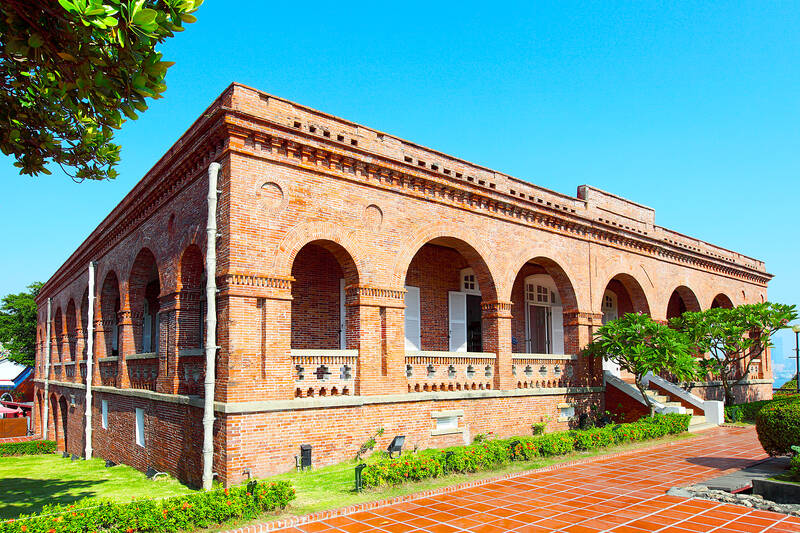
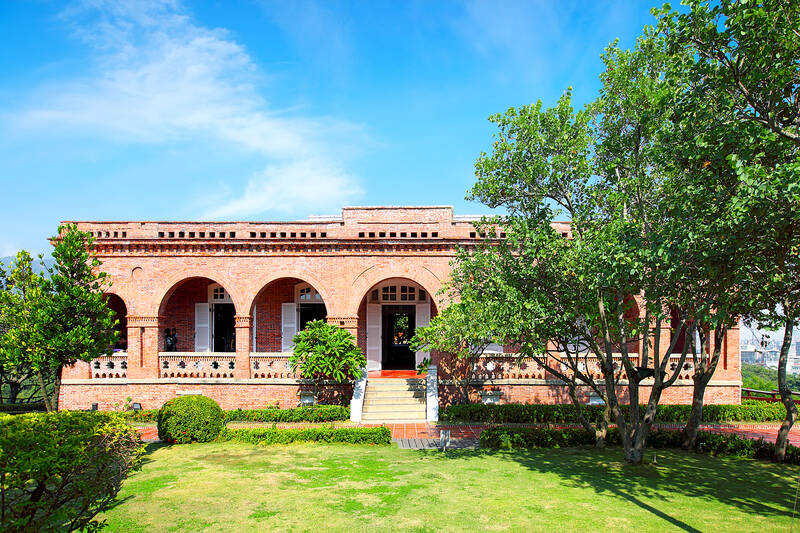
For tourists looking for a scenic way to spend an afternoon in Kaohsiung, heading to the British Consular Residence of Takao is the perfect choice. Its elevated position allows one to take in the bustling Kaohsiung Harbor to the east and the dazzling sunset over Sizihwan Bay to the west. This elegant red-brick building also serves as a portal to the city’s rich history. Interestingly, for 70 years, many people mistakenly identified this residence as the actual consulate.
The history of “Takao,” the former name of Kaohsiung, began its international chapter in the mid-19th century. As European powers expanded eastward, they pressured the Qing government to open more ports for foreign trade, including Takao, which officially opened in 1864. Following the port’s opening, the area quickly grew in economic significance, attracting foreign merchants and increased maritime activity. In response, the British government relocated its vice-consular office from Tamsui to Takao. As trade continued to flourish, the office was soon upgraded to a full consulate, making it the first official British consulate in Taiwan.
Photos: AdobeStock I 照片:AdobeStock
Over the decades, historical confusion led many to believe the hilltop building was the actual consulate. This misconception was finally corrected thanks to the investigative efforts of a British man named David Oakley, who settled in Kaohsiung and became curious about the building. He found it odd that a busy consulate would be located so far from the harbor. Through careful research, he discovered that the building on the hill was actually the consul’s official residence, while the true consular office was a separate, long-forgotten structure closer to the harbor at the foot of the hill.
對於想在高雄找個風景優美之處度過午後時光的遊客來說,前往打狗英國領事官邸是絕佳之選。官邸所在位置地勢較高,所以向東可以飽覽熙熙攘攘的高雄港,向西則可以欣賞西子灣絢麗的日落。這棟雅致的紅磚建築也是了解高雄市豐富歷史的門戶。有趣的是,許多人曾誤以為這棟官邸是真正的領事館,而這個誤會持續了七十年之久。
打狗(高雄舊稱)的歷史於十九世紀中葉邁入國際時期。隨著歐洲列強東擴,他們施壓清朝政府開放更多港口進行對外貿易,其中包括於 1864 年正式開港的打狗。打狗開港後,該地區的經濟重要度迅速提升,吸引了外國商人及更多海上活動。為此,英國政府將英國副領事館從淡水遷至打狗。隨著貿易持續蓬勃發展,副領事館很快就升級為正式的領事館,成為英國在臺灣設立的首座官方領事館。
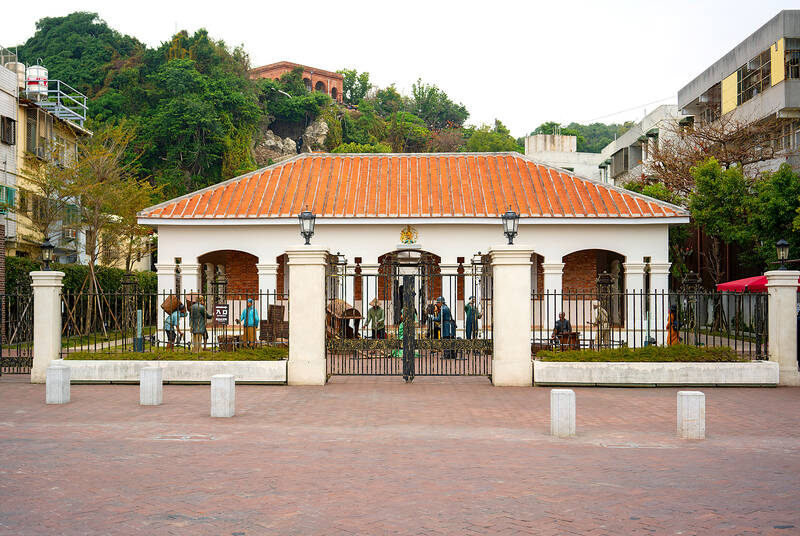
幾十年來,歷史上的混淆讓許多人認為山頂的建築是真正的領事館。多虧了一位名叫龔李夢哲的英國人(他在高雄定居下來並對這棟建築萌生好奇)對這棟建築進行了調查,這項誤解最終才得以澄清。龔李夢哲覺得一座繁忙的領事館竟然離港口這麼遠,很是奇怪。經過仔細研究,他發現山上的建築其實是領事的官邸,而真正的領事辦公室是位於山腳下、更靠近港口且長年被遺忘的另一棟建築。
What Did You Learn?
1. Which of the following is true about the British Consular Residence in Kaohsiung?
(A) It sits at the base of the hill.
(B) It is constructed mainly of stone.
(C) It overlooks Kaohsiung Harbor.
(D) It is an ideal spot to watch the rising sun.
2. What do we learn about the British consulate in Kaohsiung?
(A) It was forgotten for years until a British official noticed its historical value.
(B) It was initially located far from the port but was later moved.
(C) It was the second full British consulate after the one in Tamsui.
(D) It was once believed to be located on top of a hill.
答案:1. C 2. D
Words in Use
1. scenic a. 景色優美的
The hotel balcony offered a scenic view of the lake and surrounding forest.
這間飯店的陽臺可以看到湖泊和周遭森林的優美景色。
2. elevated a. 升高的,抬高的
An elevated walkway was built over the wetlands to protect the area.
為了保護溼地而在其上方建了一條高架步道。
3. dazzling a. 耀眼奪目的
A dazzling beam of sunlight sparkled as it passed through the waterfall.
一束耀眼的陽光穿透瀑布時閃爍著光芒。
4. elegant a. 優雅的
Everyone was impressed by Julia’s elegant dress and graceful dancing.
茱莉亞優雅的洋裝與舞姿讓每個人都留下深刻印象。
5. mistakenly adv. 錯誤地
I mistakenly grabbed Lucy’s bag, so I have to return it to her now.
我誤拿了露西的包包,所以我現在得拿去還她。
Practical Phrases
1. take in. . . / take. . . in 觀覽∕欣賞……
The tourists stood on the mountain, taking in the vast view of the valley below.
那些遊客站在山上,欣賞下方山谷的遼闊景色。
2. identify A as B 認定 A (的身分) 為 B identify vt. 辨認出
I could identify the new car as a high-end luxury brand.
我能認出這輛新車是高級豪華轎車品牌。
To be continued tomorrow(明日待續)
https://www.taipeitimes.com/News/lang

A: Popular humorous Japanese manga series “Chibi Maruko-chan” and “Crayon Shin-chan” will collaborate for their respective 40th and 35th anniversaries, publishing three crossover stories in April. B: Both were made into TV animation series, becoming huge hits in Asia. What are the crossover stories about? A: The first story features Shin-chan and his family visiting Maruko-chan’s hometown, Shizuoka City, where they run into each other. B: Wow, that sounds interesting. And then? A: The follow-ups feature Maruko-chan and her family visiting Shin-chan’s hometown, Kasukabe City. I bet the interactions between the two families will be funny. A: 熱門日本漫畫《櫻桃小丸子》、《蠟筆小新》4月將合作,為紀念小丸子40週年與小新35週年,推出三篇跨界聯動漫畫! B:
Travel fever is back, and it’s contagious. After years of being kept home during the COVID-19 pandemic, people are once again eager to explore the world. Rather than just book any trip, travelers are getting smarter about how they scratch that travel itch. Microcation Defined as four days or fewer and over 160km away from home, the microcation perfectly matches the post-pandemic mindset. After long periods of remaining indoors, people are making up for lost time by taking short, frequent getaways throughout the year. These brief trips avoid the work-life imbalance that comes with long absences. With only a few days away, one’s
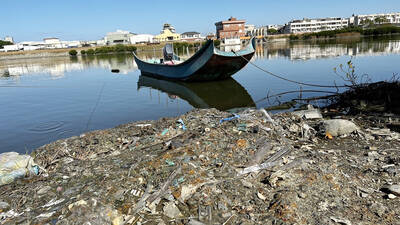
Many consumers are guilty of filling drawers or closets with old laptops, cellphones, fitness trackers and other electronic devices once they are no longer needed. It’s hard to know where to recycle such items, or it seems costly and inconvenient to do so. The world generates millions of tons of electronic waste — also called e-waste — each year. According to the UN’s most recent estimate, people worldwide produced 62 million metric tons of e-waste in 2022, and only about 22 percent of it was properly recycled. The US’ Environmental Protection Agency estimates that less than a quarter of e-waste is
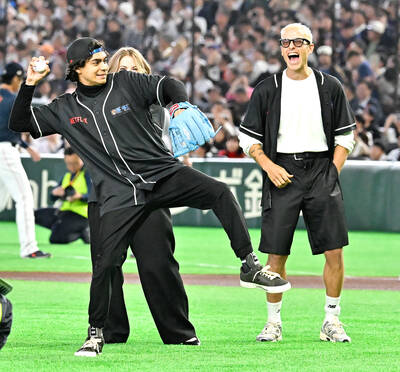
A: Apart from collaborating on crossover comics, “Chibi Maruko-chan” and “Crayon Shin-chan” will launch co-branded merchandise and pop-up stores this time. B: Actually, you don’t need to fly to Japan. Taipei’s Huashan 1914 Creative Park is hosting multiple anime-themed pop-up stores — including one for Shin-chan. A: Really? What other pop-up shops are there? B: They include stores themed around “Dragon Ball,” “Snoopy,” “Rilakkuma,” “One Piece,” “Jujutsu Kaisen,” “Frieren” and “Chiikawa X Sanrio.” A: Wow, I was just watching the second season of the live-action “One Piece.” We can visit the park during the Tomb-sweeping Day long weekend


 RSS
RSS