


對話 Dialogue
清清:你看到小陳最近發的滑雪照了嗎?看起來真帥氣。
Qīngqing: Nǐ kàndào Xiǎo Chén zuìjìn fā de huáxuě zhào le ma? Kàn qǐlái zhēn shuàiqì.
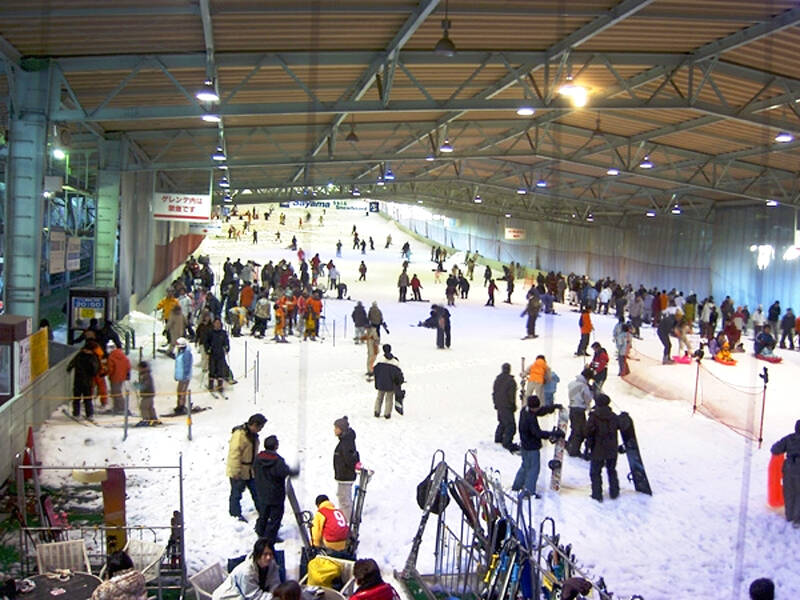
PHOTO: Wikipedia / 照片:Wikipedia 提供
華華:感覺滑雪很好玩。看了他的照片以後,我在想要不要去學滑雪。
Huáhua: Gǎnjué huáxuě hěn hǎowán. Kàn le tā de zhàopiàn yǐhòu, wǒ zài xiǎng yào bú yào qù xué huáxuě.
清清:我聽說報名滑雪教室的話,會有教練帶你練習。
Qīngqing: Wǒ tīngshuō bàomíng huáxuě jiàoshì de huà, huì yǒu jiàoliàn dài nǐ liànxí.
華華:可是我有點怕摔倒,而且裝備好像不便宜。
Huáhua: Kěshì wǒ yǒudiǎn pà shuāidǎo, érqiě huāngbèi hǎoxiàng bù piányí.
清清:剛開始一定會摔啊,不過可以先上初級課程,比較安全。
Qīngqing: Gāng kāishǐ yídìng huì shuāi a, búguò kěyǐ xiān shàng chūjí kèchéng, bǐjiào ānquán.
華華:說的也是。那你呢?你想不想一起去?
Huáhua: Shuō de yěshì. Nà nǐ ne? Nǐ xiǎng bù xiǎng yìqǐ qù?
清清:我想加一!我們可以先找找看哪裡有教練和適合初學者的課程。
Qīngqing: Wǒ xiǎng jiā yī! Wǒmen kěyǐ xiān zhǎo zhǎo kàn nǎlǐ yǒu jiàoliàn hàn shìhé chūxuézhě de kèchéng.
華華:好啊!如果我們都剛好有空,就一起去滑雪教室先挑戰看看吧!
Huáhua: Hǎo a! Rúguǒ women dōu gānghǎo yǒukòng, jiù yìqǐ qù huáxuě jiàoshì xiān tiǎozhàn kànkàn ba!
翻譯 Translation
Qingqing: Did you see the skiing photos Xiao Chen posted recently? He looked really cool.
Huahua: I saw them too. It looks like a lot of fun. I’m thinking about whether I should learn how to ski.
Qingqing: I heard that if you sign up for a ski class, there will be a coach to guide you through the practice.
Huahua: But I’m a little afraid of falling, and the equipment seems kind of expensive.
Qingqing: Everyone definitely falls at the beginning, but we can start with a beginner’s course — it’s safer.
Huahua: You’re right. What about you? Do you want to come too?
Qingqing: Count me in. We can first look around to see where they offer coaching and beginner-friendly classes.
Huahua: Sounds great. If we both happen to be free, let’s go to a ski school together and give it a try.
生詞 Vocabulary
1. 滑雪 (huáxuě) ski; go skiing
2. 帥氣 (shuàiqì) handsome; cool-looking
3. 教練 (jiàoliàn) coach; instructor
4. 摔倒 (shuāidǎo) fall down
5. 裝備 (zhuāngbèi) equipment; gear
6. 初級 (chūjí) beginner level; elementary
7. 加一 (jiā yī) [literally “add one”] count me in; I’ll join
8. 挑戰 (tiǎozhàn) challenge; to challenge
教材音檔 Audio Files
國立清華大學華語中心提供
By National Tsing Hua University Chinese Language Center:
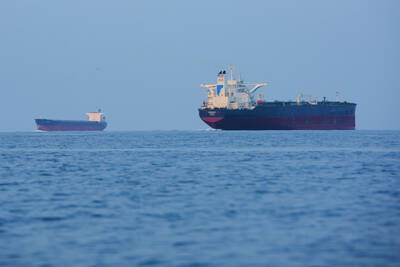
The US-Israeli war with Iran, which began on Feb. 28, has killed thousands of people, destabilized the Middle East and rocked global energy markets by effectively closing the strait. WHAT IS THE STRAIT OF HORMUZ? Lying between Oman and Iran and linking the Gulf north of it with the Gulf of Oman to the south and the Arabian Sea beyond, the strait is 33km wide at its narrowest point, with a shipping lane just 3km wide in either direction. Perhaps the world’s most important energy shipping channel, the waterway is about 167km long. Following through on an old threat, Tehran effectively closed the strait
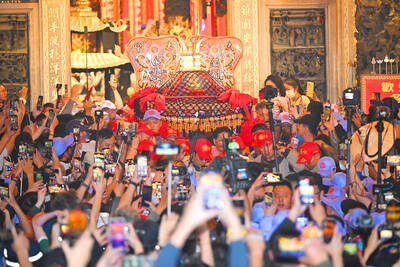
A: Apart from the Thai Water Festival, Taiwan’s three major Matsu pilgrimages are among Asia’s largest annual folk activities. B: This year, “Baisha-ma” of the Baishatun Gongtian Temple in Miaoli County was the first to kick off her pilgrimage, with the deity departing on April 12 and returning on the 20. A: Then “Dajia-ma” of the Dajia Jenn Lann Temple in Taichung will set off next, departing tonight before midnight and returning on April 26. B: And what about “Beigang-ma” of Yunlin County’s Beigang Chao-tian Temple? When will she launch her procession? A: Typically, “Beigang-ma” begins her procession on the eve of her lunar
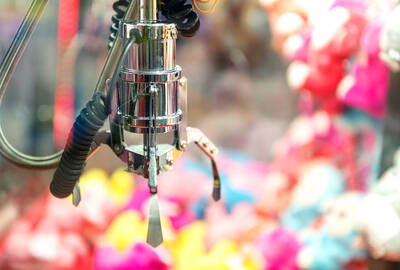
Have you ever found yourself desperately feeding coins into a claw machine just because you’ve already spent so much trying to win that stuffed animal? Or maybe you’ve continued watching a boring movie simply because you already paid for the ticket? If so, you’ve experienced the “sunk cost fallacy.” A sunk cost refers to time, money or effort that has already been spent and cannot be recovered. This psychological trap is surprisingly common. You might keep playing a video game you no longer enjoy because you’ve invested countless hours in building your character, or maintain a toxic friendship because you’ve known

When you twist open a bottle of carbonated water, bubbles rush out with a hissing sound. This drink is simply water infused with carbon dioxide (CO2) under pressure, giving it that fizz on your tongue. But this basic description barely scratches the surface of the carbonated water family. Although all carbonated waters are bubbly, slight differences set them apart. Seltzer is just plain water with artificial CO2—no minerals, no extras. Club soda includes added minerals such as sodium bicarbonate, which creates a slightly salty flavor. This makes club soda suitable for mixing with fruit juices. Sparkling water, on the


 RSS
RSS