


Have you ever found yourself desperately feeding coins into a claw machine just because you’ve already spent so much trying to win that stuffed animal? Or maybe you’ve continued watching a boring movie simply because you already paid for the ticket? If so, you’ve experienced the “sunk cost fallacy.”
A sunk cost refers to time, money or effort that has already been spent and cannot be recovered. This psychological trap is surprisingly common. You might keep playing a video game you no longer enjoy because you’ve invested countless hours in building your character, or maintain a toxic friendship because you’ve known each other for so long. Some students even persist in university courses they dislike simply because they’ve already completed several semesters.
Sunk cost thinking often leads to poor decisions. If that claw machine clearly has weak grips and overpriced prizes, spending more money won’t magically make it worthwhile. Similarly, if a course genuinely doesn’t align with your interests or career goals, sticking with it might waste more time than switching paths. The same applies to relationships: staying in a friendship out of obligation rather than mutual respect and happiness only leads to resentment and lost opportunities.
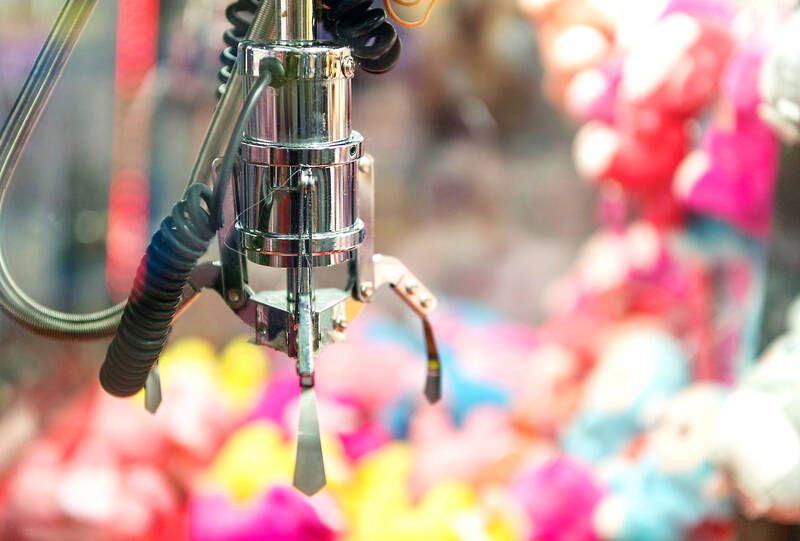
Photo: Freepik / 照片:Freepik
The key to overcoming the sunk cost fallacy is recognizing that the resources you’ve already invested are gone regardless of your future choices, so you should base your decisions solely on future costs and benefits. Ask yourself: “If I were deciding today, with no prior commitment, would I choose this?” If the answer is no, it’s time to reconsider. Letting go of sunk costs isn’t about quitting; it’s about reallocating your resources to what truly matters.
Understanding this concept gives you a powerful tool for decision-making, helping you distinguish between perseverance and futile persistence. After all, the greatest waste isn’t letting go—it’s holding on when you should be moving forward.
你是否曾經拼命地將硬幣投入夾娃娃機,只因為你已經花了那麼多錢試圖贏得那填充動物玩偶?又或者你曾繼續觀看一部無聊的電影,只是因為你已經付了票錢?如果有,那你就曾經歷過「沉沒成本謬誤」。
沉沒成本指的是已經投入且無法收回的時間、金錢或努力。這種心理陷阱出乎意料地普遍。你可能會繼續玩一款自己早已不再喜歡的電玩遊戲,只因為你已經投入了無數個小時培養你的角色,或者維持一段有毒的友誼,因為你們認識彼此很久了。有些學生甚至會繼續修讀自己不喜歡的大學課程,僅僅因為他們已經修完好幾個學期的課了。
沉沒成本思維往往導致糟糕的決定。如果那台夾娃娃機明顯地有著抓力很弱的爪子和定價過高的獎品,花更多錢並不會神奇地使整件事變得值得。同樣地,如果某堂課根本不符合你的興趣或職涯方向,堅持讀下去可能會比轉換跑道浪費更多時間。這也同樣適用人際關係:只是出於義務而非相互尊重與感到快樂地維持一段友誼,最終只會導致怨懟和錯失其他機會。
克服沉沒成本謬誤的關鍵在於認清那些你已經投入的資源無論你未來的選擇如何都已經消失了,所以你應該純粹根據未來的成本和效益來做出決定。問問自己:「如果今天重新做選擇,且沒有之前的投入,我還會選擇這個嗎?」如果答案是否定的,那你就該重新思考了。放下沉沒成本不是放棄;而是把你的資源重新分配到真正重要的事物上。
理解這個概念會成為你做決策時的一大利器,幫助你分辨堅持不懈與徒勞的執著。畢竟,最大的浪費不是放手──而是當你應該往前走時卻還緊抓不放。
KEY VOCABULARY
1. desperately adv. 拼命地;絕望地;極度
The injured climber desperately called for help while waiting to be rescued from the mountain.
受傷的登山者絕望地呼救,等待從山上被救下來。
2. invest v. 投入;投資
Jasmine has invested years in building a career she truly cares about.
潔絲敏投入多年建立一份她真正重視的職涯。
3. persist vi. 堅持;持續 persistence n. 堅持;持續
Despite several failures, Thomas continued to persist until his idea finally succeeded.
儘管多次失敗,湯瑪斯仍堅持不懈,直到自己的想法成功。
4. worthwhile adj. 值得的;值得花錢(或時間、精力)的
Volunteering may take up time, but the experience is truly meaningful and worthwhile.
當志工雖然花時間,但這個經歷確實有意義且值得。
5. obligation n. 義務;責任
Paying taxes is not a choice but a legal obligation for all citizens.
繳稅不是選擇,而是所有公民的法律義務。
6. mutual adj. 相互的;共同的
A healthy friendship is built on mutual support, trust and shared experiences.
健康的友誼是建立在相互支持、信任與共同經歷之上。
7. overcome vt. 克服
The team overcame many difficulties to win the championship after a tough season.
這支隊伍克服許多困難,在艱難賽季後贏得冠軍。
8. prior adj. 先前的;較早的
Prior experience in customer service is often required for this type of position.
這類職位通常需要有先前的客服經驗。
9. commitment n. 投入;奉獻;承諾
Albert’s commitment to social work has inspired many young people
in the community.
亞伯特對社會工作的投入激勵了社區內許多年輕人。
MORE INFORMATION
grip n. 緊抓;緊握
resentment n. 怨恨
fallacy n. 謬誤
reallocate vt. 重新分配
perseverance n. 堅持不懈
futile adj. 無效的;不成功的
空中美語APP+︰全新AI學習,限時免費!(學習音檔) https://www.english4u.net/qr/app.html
文章由AMC空中美語授權使用: https://www.english4u.net

A: Why didn’t you come to work earlier this week? Did you go anywhere for fun? B: I went to Thailand with friends to celebrate the 2026 Water Festival, also known as the Songkran Festival. The three-day annual celebrations ran from April 13 to 15. Everyone was having water fights in the streets. A: I know that “Songkran” is the traditional New Year in Southeast Asia, usually celebrated in mid-April. B: And we also attended the 2026 Siam Songkran Music Festival this time. The EDM shows by Martin Garrix — who has been crowned the World’s No. 1 DJ by “DJ

A: Apart from the Thai Water Festival, Taiwan’s three major Matsu pilgrimages are among Asia’s largest annual folk activities. B: This year, “Baisha-ma” of the Baishatun Gongtian Temple in Miaoli County was the first to kick off her pilgrimage, with the deity departing on April 12 and returning on the 20. A: Then “Dajia-ma” of the Dajia Jenn Lann Temple in Taichung will set off next, departing tonight before midnight and returning on April 26. B: And what about “Beigang-ma” of Yunlin County’s Beigang Chao-tian Temple? When will she launch her procession? A: Typically, “Beigang-ma” begins her procession on the eve of her lunar
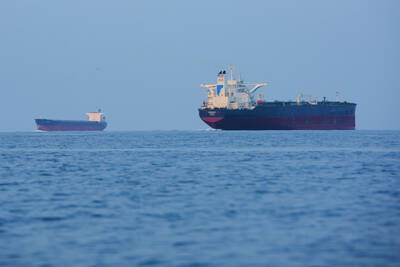
The US-Israeli war with Iran, which began on Feb. 28, has killed thousands of people, destabilized the Middle East and rocked global energy markets by effectively closing the strait. WHAT IS THE STRAIT OF HORMUZ? Lying between Oman and Iran and linking the Gulf north of it with the Gulf of Oman to the south and the Arabian Sea beyond, the strait is 33km wide at its narrowest point, with a shipping lane just 3km wide in either direction. Perhaps the world’s most important energy shipping channel, the waterway is about 167km long. Following through on an old threat, Tehran effectively closed the strait

When you twist open a bottle of carbonated water, bubbles rush out with a hissing sound. This drink is simply water infused with carbon dioxide (CO2) under pressure, giving it that fizz on your tongue. But this basic description barely scratches the surface of the carbonated water family. Although all carbonated waters are bubbly, slight differences set them apart. Seltzer is just plain water with artificial CO2—no minerals, no extras. Club soda includes added minerals such as sodium bicarbonate, which creates a slightly salty flavor. This makes club soda suitable for mixing with fruit juices. Sparkling water, on the


 RSS
RSS