


In English, “name idioms” are part of what makes English fascinating. Let’s put a few examples under the microscope.
Doubting Thomas
This expression stems from the Bible. Thomas, one of Jesus’s disciples, refused to believe Jesus had been resurrected from the dead. He declared he wouldn’t accept it until he could see the nail marks in Jesus’s hands and touch his wounds himself. Today, this idiom refers to someone who won’t believe something without concrete evidence. For instance, if your friend’s expertise is reliable, but you’re still suspicious, you might be a “doubting Thomas.”

Photo: Freepik 照片:Freepik
Smart Aleck
The origin of this phrase likely comes from Aleck Hoag, a clever criminal in New York in the 1800s. He was notorious for fooling both his victims and the police. This expression isn’t exactly a compliment, though. It refers to someone who likes to show off how clever they are, but in a way that often annoys others. For example: When Gina made ironic comments in the presentation, she was being a “smart aleck.”
Dear John Letter
The idiom dates back to World War II, when many US soldiers serving overseas received breakup letters from spouses or girlfriends. Since “John” was a very common male name at the time, these letters often began with “Dear John.” Today, the phrase refers to a painful message that ends a romantic relationship, often due to prolonged separation. For instance, Andy got a “Dear John letter” that ended his long-distance relationship with his girlfriend.
Why not check if your name is part of a cool phrase? It’s astonishing how much fun you can have exploring the quirks of language.
在英語中,「人名片語」是讓英文變得迷人的一部分。讓我們來仔細看看幾個例子。
Doubting Thomas(懷疑的多馬;多疑的人)
這個表達方式源自《聖經》。多馬是耶穌的門徒之一,他拒絕相信耶穌已從死裡復活。他宣稱他要親眼看見耶穌手上的釘痕並親手觸摸祂的傷口才會接受這件事。如今,這個片語指的是沒有具體證據就不相信某事的人。例如,如果你朋友的專業知識是可靠的,但你仍然心存懷疑,你可能就是個「doubting Thomas」。
Smart Aleck(自作聰明的人;自以為是的人)
這個片語的起源很可能來自亞歷克?霍格,他是西元 1800 年代紐約的一個聰明罪犯。他因愚弄受害者和警方而惡名昭彰。不過,這個表達方式並不是讚美。它指的是喜歡炫耀自己聰明才智但其方式往往會惹惱他人的人。例如:當吉娜在報告中做出諷刺言論時,她就是一個「smart aleck」。
Dear John Letter(分手信)
這個片語可以追溯到二戰時期,當時許多在海外服役的美國士兵收到來自配偶或女友的分手信。由於「John」在當時是非常常見的男性名字,這些信件通常以「Dear John」開頭。如今,這個片語指的是結束戀情的痛苦訊息,通常是由於長期分離造成的。例如,安迪收到一封「Dear John letter」,結束了他與女友的遠距離戀情。
為什麼不查查看你的名字是否也是某個有趣片語的一部分呢?令人驚訝的是,探索語言的奇特之處會帶給你如此多的樂趣!
MORE INFORMATION
Bible n. 聖經
disciple n. 門徒;信徒
resurrect vt. 使復活;使起死回生
ironic adj. 諷刺的;挖苦的
breakup n. 分手;中斷
prolonged adj. 延續很久的;長期的
quirk n. 古怪之處;怪癖
KEY VOCABULARY
1. microscope n. 顯微鏡
put sth under the microscope 仔細檢查;仔細考慮
The scientists put the new drug under the microscope to evaluate its safety and effectiveness.
科學家仔細檢查這種新藥的安全性與效果。
2. declare vt. 宣稱;宣布
Leon confidently declared that his invention would change how people use electricity.
里昂自信地宣稱他的發明將改變人們使用電力的方式。
3. concrete adj. 確定的;具體的
The team discussed ideas for hours but still failed to reach a concrete decision.
團隊討論了好幾小時,卻仍未做出明確的決定。
4. expertise n. 專門知識(技能);專長
Betty’s expertise in digital marketing helped the company attract more customers online.
貝蒂在數位行銷方面的專業知識幫助公司吸引更多線上客戶。
5. compliment n. 讚美的話;恭維
Instead of giving criticism, try offering a compliment to support someone’s effort.
與其批評,不如給對方讚美來支持其努力。
6. comment n. 評論;批評;留言
Many readers left positive comments on the article, praising its clear explanation.
許多讀者在這篇文章下留下正面評論,稱讚其清楚的說明。
7. presentation n. 報告;演講;介紹
Michael spent several days preparing his presentation on climate change and its global impact.
麥可花了好幾天準備關於氣候變遷及其全球影響的報告。
8. spouse n. 配偶
Employees are allowed to bring their spouse to the year-end party this year.
員工可以攜帶配偶參加今年的尾牙。
9. astonishing adj. 令人驚訝的;令人驚嘆的
The artist created an astonishing sculpture entirely from recycled materials.
這位藝術家完全使用回收材料製作出令人驚嘆的雕塑。
學習音檔: https://magazine.english4u.net/Magdata/menu/av87q
《空中美語》雜誌APP免費下載: https://www.english4u.net/apps/index.aspx
免費收聽當月《空中美語》雜誌課文朗讀及解析 !
文章由AMC空中美語授權使用: https://www.english4u.net

Whether they are a Siamese, Persian, Maine Coon, or Domestic Shorthair, there are hundreds of millions of cats living with people around the world. But despite their popularity as pets, the history of cat domestication has remained difficult for scientists to decipher. A new genome study is providing some insight into the matter by determining the timing of a key milestone in feline domestication - the introduction of domestic cats into Europe from North Africa. Domestic cats pounced into Europe roughly 2,000 years ago in early imperial Roman times, the researchers found, probably thanks to maritime trade. Some of these furry trailblazers

You’re half-asleep with your head resting on the desk during your lunch break. All of a sudden, your leg kicks violently, your head snaps up, and you’re wide awake in a split second. This __1__ sensation is called a “hypnic jerk,” a common phenomenon that strikes just as your body starts to relax, but your brain mistakenly hits the panic button. A hypnic jerk is an involuntary muscle spasm that usually occurs during the __2__ from wakefulness to sleep, especially during the early stages of sleep. As the body begins to relax, muscles loosen and breathing slows down. One
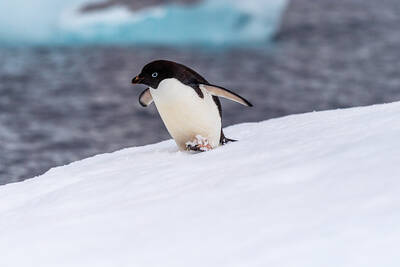
Scientists at Argentina’s Marambio Station in Antarctica have detected high levels of ammonia gas in the air near an “Adelie penguin” colony. The ammonia, released from nitrogen-rich penguin guano, reacts with sulfur compounds emitted by oceanic plankton to form aerosol particles. These particles boost cloud formation and can sometimes lead to fog. Scientists found that even after the penguins left the area, the remaining guano continued to give off significant amounts of ammonia. Clouds created by the guano can influence the local climate by either reflecting sunlight or trapping heat, depending on environmental conditions. In other words, penguin waste

In English, “name idioms” are part of what makes English fascinating. Let’s put a few examples under the microscope. Doubting Thomas This expression stems from the Bible. Thomas, one of Jesus’s disciples, refused to believe Jesus had been resurrected from the dead. He declared he wouldn’t accept it until he could see the nail marks in Jesus’s hands and touch his wounds himself. Today, this idiom refers to someone who won’t believe something without concrete evidence. For instance, if your friend’s expertise is reliable, but you’re still suspicious, you might be a “doubting Thomas.” Smart Aleck The origin of this phrase likely comes from


 RSS
RSS