


Continued from yesterday(延續自昨日)
https://www.taipeitimes.com/News/lang
People are leaving comments under a post about social media recommendations:

Photo: Adobestock 照片:Adobestock
(A) Carl: My Threads feed is perfectly tailored because of them. It makes keeping up with my interests incredibly easy.
(B) Holly: Sometimes after I search for something, the system suggests other things I might actually need. It’s super convenient.
(C) Andy: They just keep showing me news I already know about. I’m fed up with the repeats. I want to see something different just for once.

Photo: Adobestock 照片:Adobestock
(D) Betty: For me, they’re just part of the background. I don’t really pay much attention to them. If something catches my eye, great. Otherwise, I just keep scrolling.
(E) Gary: I often get irrelevant recommendations. I follow one K-pop group, but they keep pushing others I don’t care about. I’m constantly hiding those posts manually.
(F) Nancy: I’m generally fine with them. Sometimes they genuinely hit the mark. I used to only read novels, but then the system started suggesting some manga, and now I’m totally into it.
(G) Ethan: It gets creepy sometimes. I just talk about something with friends offline, and then later, without searching, I see related ads or content pop up on social media. It’s unsettling.
(H) Daisy: I think they’re quite helpful for broadening my horizons. I’ve discovered new artists and topics I never knew I’d enjoy simply because the system put them in front of me.
人們在一篇關於社群媒體推薦的貼文下方留言:
(A) 卡羅: 我的Threads動態因為這些推薦而變成完全是為我打造的!這讓我能夠非常輕鬆地掌握我的興趣的最新資訊。
(B) 哈莉: 有時我搜尋某個東西之後,系統就會推薦我其他我可能真正需要的東西。超方便的!
(C) 安迪: 它們就是一直顯示我已經知道的新聞。我受夠了重複的內容。一次就好,我想看點不一樣的東西!
(D) 貝蒂: 對我來說,它們只是背景的一部分。我其實不太注意這些。如果有什麼吸引了我的注意,很好啊。沒有的話,我就是一直往下滑。
(E) 蓋瑞: 我常常收到不相關的推薦。我有追蹤一個 K-pop 團體,但它們總是推薦我不感興趣的其他團體。我一直要手動隱藏那些貼文。
(F) 南西: 我大致上覺得它們還不錯!有時它們真的能命中。我以前只看小說,但後來系統開始推薦一些漫畫,現在我完全沉迷其中了。
(G) 伊森: 有時會讓人毛骨悚然。我只是在現實中和朋友講一些事情,接著在沒有搜尋的情況下,我就會看到社群媒體上彈出相關的廣告或內容。這讓人毛毛的!
(H) 黛絲: 我認為它們對於拓展我的視野很有幫助。我發現了以前我不知道自己會喜歡的新藝術家和新主題,只是因為系統把它們放到了我眼前。
What Did You Learn?
1-2 請根據選文內容,從文章中選出兩個單詞,分別填入下列句子空格,並視句型結構需要作適當的字形變化,使句子語意完整、語法正確,並符合全文文意。每格限填一個單詞(word)。(填充)
Content-based filtering ___1___ the characteristics of content you’ve previously viewed to recommend similar items. On the other hand, the idea of collaborative filtering is that if you and someone else ___2___ similar types of content, you might enjoy what that person has liked.
答案: 1. analyzes 2. prefer
3. From (A) to (H) in the above comments, which ONES describe negative experiences or disadvantages related to social media recommendations?(多選題)
答案: C, E, G
4. Which phrase in the passage means “was accurate” or “matched the user’s interest well”?(簡答)
答案: hit the mark
Words in Use
1. comment n. 網路上的留言;評論
This movie sparked heated comments online, with mixed reviews.
這部電影在網路上引起了熱烈的評論,褒貶不一。
2. incredibly adv. 極為
The manager is incredibly serious about his work, ensuring every detail is perfect.
經理對待工作非常認真,確保每個細節都做到完美。
3. background n. 背景
I always feel like I’m just part of the background in big groups.
在大團體裡,我總覺得自己只是背景的一部分。
4. otherwise adv. 否則,要不然
You should leave now, or, you’ll miss the train.
你現在該出發了。不然會錯過火車。
5. irrelevant a. 不相干的
Some statistics in this report are irrelevant because they don’t support the main conclusion.
這份報告的有些數據並不相關,因為無法佐證主要結論。
Practical Phrases
1. keep up with. . . 了解……的最新資訊
Because of my passion for movies, I make sure to keep up with all the latest movie releases.
出於對電影的熱愛,我會確保自己掌握所有近期上映電影的最新消息。
2. be fed up with. . . 受夠了……,對……感到厭煩
Liz was fed up with her boyfriend always being late and decided not to wait for him anymore.
麗茲受夠了她男友總是遲到,決定再也不等他了。
3. just for once 就這一次
Just for once, I wish my cat would listen to me.
一次就好,我希望我家貓咪能聽我的話。
4. catch one’s eye 吸引某人的目光
The vivid colors of this painting caught our eye.
這幅畫的鮮豔色彩吸引了我們的目光。
5. hit the mark 命中,達到預期效果∕目標
This new policy hit the mark, successfully reducing the crime rate.
這項新政策達到了預期效果,成功降低了犯罪率。
6. be into. . . 喜歡……,對……有興趣
My brother wasn’t into outdoor activities before, but now he loves hiking.
我弟以前不喜歡戶外活動,但現在愛上了健行。
聽文章朗讀及講解: https://ivy.pse.is/455bfu
本文出自常春藤解析英語雜誌: www.ivy.com.tw

A: In addition to the biopic “Michael,” comedy “The Devil Wears Prada 2” is finally in theaters. I can’t believe it’s been 20 years since the 2006 debut of the original film. B: Does the sequel still revolve around the fashion industry? A: This time, “Miranda,” the fashion magazine editor-in-chief played by Meryl Streep, will team up with her former assistant “Andy,” played by Anne Hathaway, to fight against Emily, her other ex-assistant played by Emily Blunt. B: Isn’t the role of “Miranda” based on then US “Vogue” editor-in-chief Anna Wintour? A: Yup, it established Anna’s fashion status, influenced pop culture
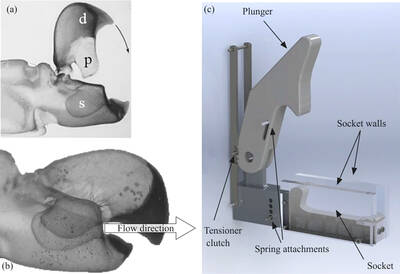
Few sea creatures of their size have as much destructive power as pistol shrimp. These small animals, usually measuring around four centimeters long, produce shock waves that can stun or even kill their prey. The attack begins when the shrimp opens its specialized claw, allowing water to fill a chamber inside. Then the claw closes rapidly. A bump on the claw strikes the chamber, forcing the trapped water out through a narrow opening at a high speed of about 25 meters per second. The rapid movement forms a bubble in the water that collapses almost instantly under the pressure of the

★ Bilingual Story is a fictionalized account. 雙語故事部分內容純屬虛構。 Rain hammered the roof in hard, uneven bursts. “Hold him still!” Baosheng pressed one hand against the stranger’s brow as the man twisted on the wooden bed. His left eye was swollen shut. The right one burned red like a coal. “It feels like fire,” the man gasped. “Like something is clawing inside.” Thunder rolled across the mountain. Baosheng leaned closer. The man’s skin was cold, but heat rose from his face. A strange smell hung in the air. He began the four methods of diagnosis: looking, listening/smelling,
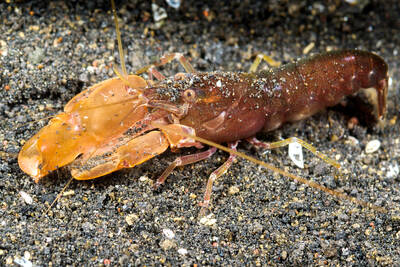
Continued from yesterday(延續自昨日) https://www.taipeitimes.com/News/lang One way to monitor marine biodiversity is to send divers down to take photos and notes; however, this method is expensive, time-consuming, and sometimes risky. On coral reefs, noise is an indicator of a healthy seabed. This is largely thanks to pistol shrimp, which often live inside sea sponges on coral reefs. The healthier the reef, the more pistol shrimp it hosts. This makes them perfect biological indicators. However, counting them visually is tricky because they often stay hidden. To address this, scientists turn to sound. Pistol shrimp snaps are loud, short, and rich in energy. They stand out


 RSS
RSS