


A new hot spring area will open to the public on Dec. 8 following a six-month delay caused by the COVID-19 pandemic. Located within the extremely popular Cingshuei Geothermal Park, managed by the Yilan County Government, the hot spring will be marketed as “Cingshuei Springs.” During the first week of operation, the hot spring baths will open its doors to 120 people per day to bathe free of charge.
Cingshuei Geothermal Park is a natural alkaline hot spring area and the park already boasts a hot spring pool for cooking food in addition to foot baths. Yilan County Government invested NT$77 million to construct a new hot spring area, comprising a scenic entrance area, customer service area and eight hot spring pools. The pools are all public pools, four female and four male, which each accommodate up to 100 bathers.
At the beginning of the year, the operating licence for Cingshuei Springs was granted to Jiaosi’s No.9 Hotel and original plan was to begin operating by mid-May. However, after a serious outbreak of COVID-19 swept across the nation, at the last minute the plug was pulled on hot springs’ grand opening. However, once the virus outbreak had begun to subside, Dec. 8 was settled upon as the date for Cingshuei Springs’ opening ceremony and visitors will be able to begin using the bathing facilities on the afternoon of the same day.
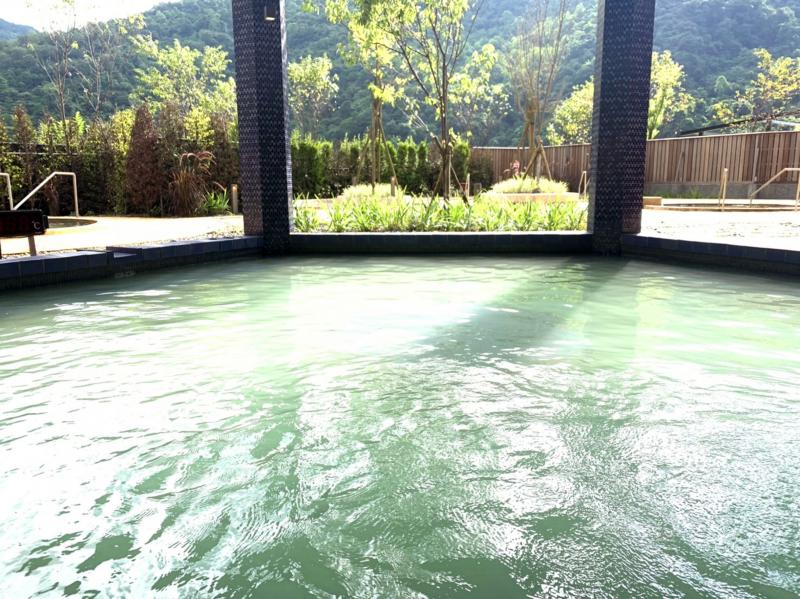
Photo courtesy of No.9 Hotel 照片:業者提供
During the first week of trial operation, visitors will be limited to 120 persons per day. Thereafter, admission into the Cingshuei Springs area will be free of charge, excepting a car parking fee on entry into Cingshuei Geothermal Park. An adult ticket for the baths will cost NT$80.
(Liberty Times, translated by Edward Jones)
宜蘭縣政府經營管理風景區人氣王清水地熱公園的新設泡湯區,因疫情影響,啟用日期延遲半年。最近疫情趨緩,敲定十二月八日開幕,以「清水泉」之名行銷,開幕的第一週,每天開放一百二十人免費泡湯。
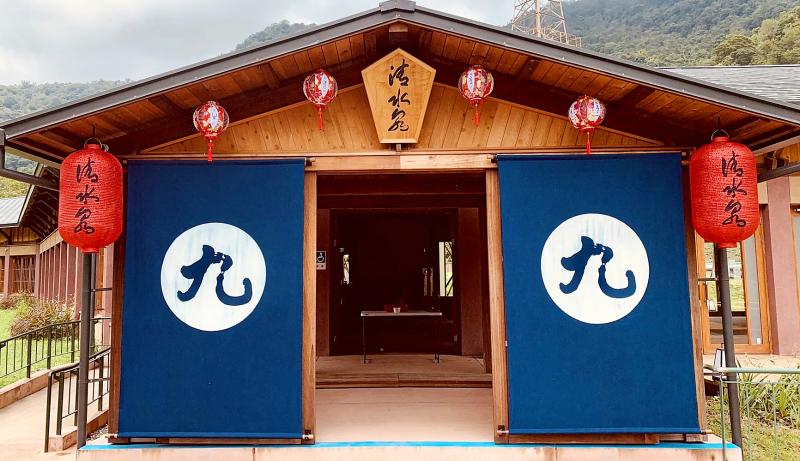
Photo courtesy of No.9 Hotel 照片:業者提供
清水地熱公園泉質是鹼性泉,現有溫泉煮食池及泡腳池,宜蘭縣政府投入七千七百萬元新設泡湯區,增建入口景觀區、公共服務區、八座泡湯池。泡湯池屬於大眾池,男、女湯各四座,可同時容納一百人。
泡湯區今年初由「礁溪九號」公司取得經營權,原訂五月中旬營運,因碰上本土疫情爆發臨時喊停,由於疫情趨緩,決定在十二月八日上午舉辦開幕式,下午開放遊客進場泡湯。
開幕的第一週,每天招待一百二十名遊客體驗;清水地熱公園只收停車費免門票,若要泡湯另外付費,全票八十元。
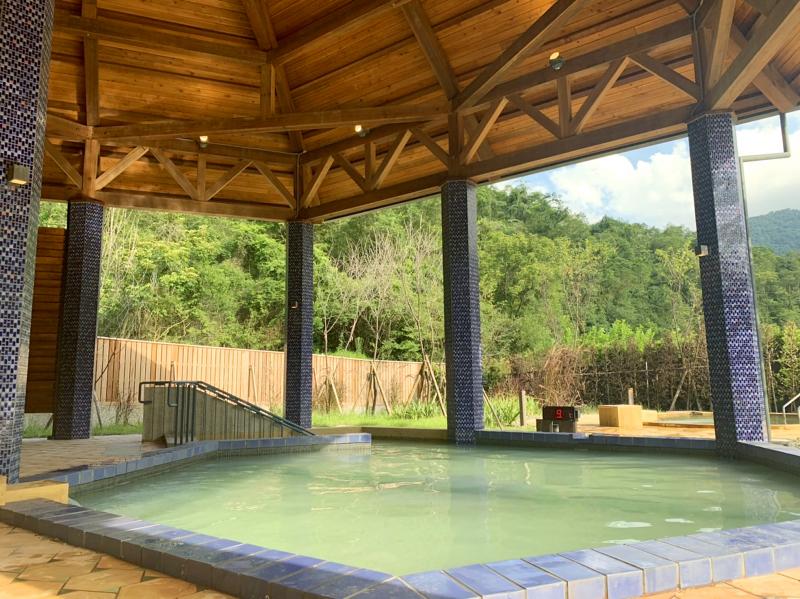
Photo courtesy of No.9 Hotel 照片:業者提供
(自由時報江志雄)
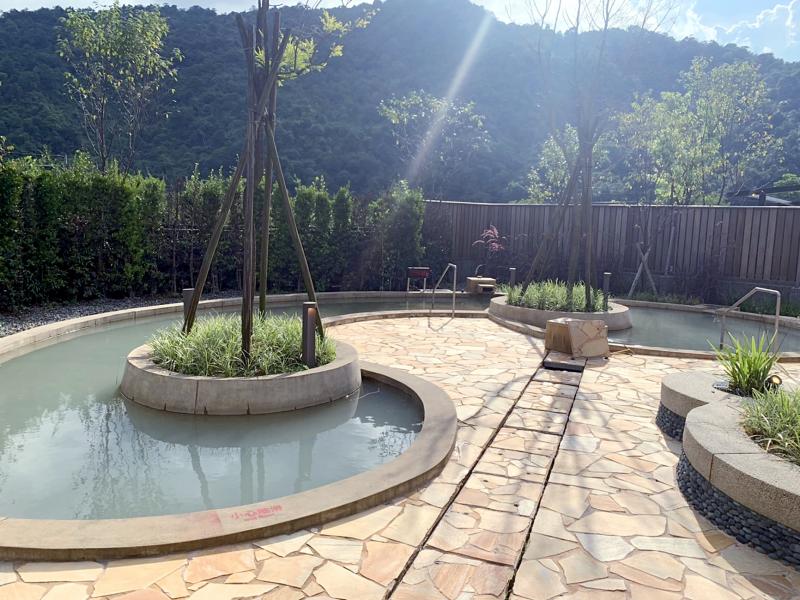
Photo courtesy of No.9 Hotel 照片:業者提供
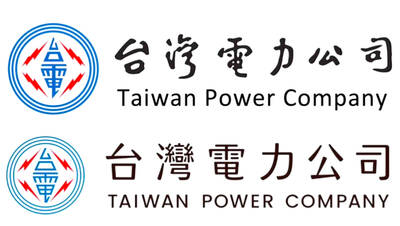
The debate surrounding Taipower’s recent corporate identity reboot has gone well beyond the design community. The controversy began after Taipower replaced the familiar “Taiwan Power Company” wording — widely regarded as the calligraphy of Yu You-ren (1879-1964), former Control Yuan president and master calligrapher — with a modern logotype by designer Aaron Nieh’s team, Aaron Nieh Workshop. Taipower said the change was not a wholesale replacement of old signage, but an “optimization of its identity system,” aimed at meeting the needs of digital media, electronic bills, apps, social media graphics and various small-format applications. Existing physical markings, such as building

Since 2005, the third Monday in January has come to be known as “Blue Monday.” In other words, that day is believed to be the most depressing day of the year. This concept seems logical at first. After all, Monday marks the start of the school or workweek after two days of rest and fun. Also, blue is a color that is often associated with sadness. Furthermore, in many parts of the world, January is a time when the weather is cold, rainy, and gloomy. But is there any scientific proof that this January day is truly sadder than any of

Continued from yesterday(延續自昨日) https://www.taipeitimes.com/News/lang For the most part, the idea of “Blue Monday” has been rejected as a myth. Some mental health experts also say there is a danger in labeling a certain day as the most depressing time of the entire year. Some argue that if people expect to feel sadder on the third Monday in January, this belief alone may increase their anxiety. One group that is worried about the negative effect of believing in Blue Monday is Samaritans. A mental health charity based in the UK, Samaritans is working to turn Blue Monday into “Brew Monday.” In this

A: In early May, there were concerts by Icyball, Chyi Yu, Korea’s EXO and Japan’s Anisama, but I missed them all. What a shame. B: That’s OK. There are shows coming up by various artists, including Power Station, Accusefive, Japanese singer Mika Nakashima, Chinese-Icelandic jazzer Laufey, and even Singaporean diva Stefanie Sun. A: After a 12-year hiatus, Stefanie is finally returning to Taipei again. B: In late May, there will be more shows by Crowd Lu, WeiBird, Korea’s Donghae, 2AM, EXID, and Thailand’s BUS. A: The Thai boyband is so popular. It looks like “T-pop” is catching up with J-pop


 RSS
RSS