


A: Is this the printing plate? The shiny metal surface is so elegant.
B: Yes, this copper plate was engraved using the mezzotint technique. Mezzotint is Italian for “half tone,” and the French term for it means “black manner,” as the resulting print looks like black velvet. It’s a kind of intaglio printing.
A: Good Heavens, so much terminology, I have no idea what you’re talking about. Could you please explain it in layman’s terms?
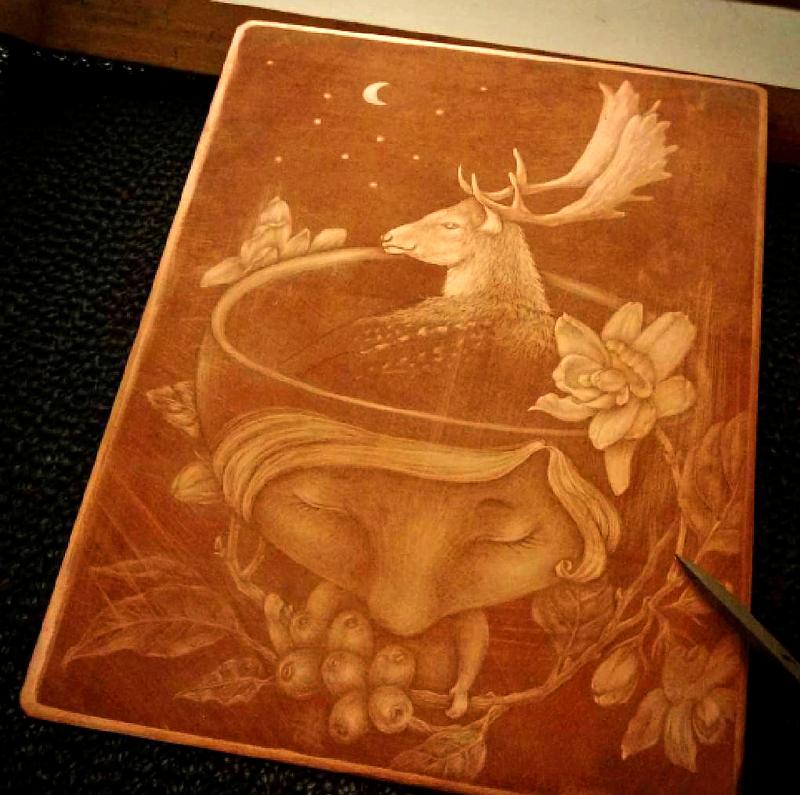
Photo: Tania Chou, Taipei Times 照片:台北時報周姲醇
B: Basically, the intaglio printing technique involves applying printing ink over an engraved plate, allowing it to seep into the engraved lines, and then wiping the excess ink away, before pressing the plate onto paper to print the image.
A: So this gold copper plate needs to be covered in black ink to make the print? If it were me, I wouldn’t be able to bring myself to do that. I think the engraving is a work of art in itself.
A: 這個就是印版畫的版嗎?亮亮的金屬質感,好精緻喔!
B: 嗯,這銅版是用「美柔汀」技法刻的,美柔汀是義大利文,意思是「中間的調子」,法文把它稱作「黑色的方法」,因為它印出來的效果很像黑絲絨,這是屬於一種凹版印刷。
A: 天哪,太多專有名詞了,我都聽不懂!可以麻煩簡單解釋一下嗎?
B: 凹版印刷的基本做法,就是把油墨塗在刻好的版上,讓它滲進刻凹的部分,再刮掉表面上多餘的油墨,然後加壓印到紙上就完成了。
A: 所以這金黃的銅版要塗得黑黑的才能印版畫喔?要是我會捨不得下手。我覺得它本身就是一件獨立的雕刻作品了。
(Translated by Paul Cooper, Taipei Times/台北時報林俐凱)
Audio recordings for Speak Up! dialogues will be suspended until further notice due to the pandemic.
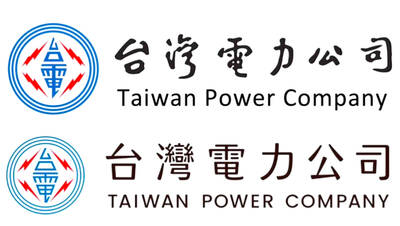
The debate surrounding Taipower’s recent corporate identity reboot has gone well beyond the design community. The controversy began after Taipower replaced the familiar “Taiwan Power Company” wording — widely regarded as the calligraphy of Yu You-ren (1879-1964), former Control Yuan president and master calligrapher — with a modern logotype by designer Aaron Nieh’s team, Aaron Nieh Workshop. Taipower said the change was not a wholesale replacement of old signage, but an “optimization of its identity system,” aimed at meeting the needs of digital media, electronic bills, apps, social media graphics and various small-format applications. Existing physical markings, such as building

Since 2005, the third Monday in January has come to be known as “Blue Monday.” In other words, that day is believed to be the most depressing day of the year. This concept seems logical at first. After all, Monday marks the start of the school or workweek after two days of rest and fun. Also, blue is a color that is often associated with sadness. Furthermore, in many parts of the world, January is a time when the weather is cold, rainy, and gloomy. But is there any scientific proof that this January day is truly sadder than any of

Continued from yesterday(延續自昨日) https://www.taipeitimes.com/News/lang For the most part, the idea of “Blue Monday” has been rejected as a myth. Some mental health experts also say there is a danger in labeling a certain day as the most depressing time of the entire year. Some argue that if people expect to feel sadder on the third Monday in January, this belief alone may increase their anxiety. One group that is worried about the negative effect of believing in Blue Monday is Samaritans. A mental health charity based in the UK, Samaritans is working to turn Blue Monday into “Brew Monday.” In this
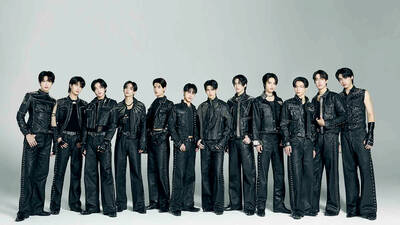
A: In early May, there were concerts by Icyball, Chyi Yu, Korea’s EXO and Japan’s Anisama, but I missed them all. What a shame. B: That’s OK. There are shows coming up by various artists, including Power Station, Accusefive, Japanese singer Mika Nakashima, Chinese-Icelandic jazzer Laufey, and even Singaporean diva Stefanie Sun. A: After a 12-year hiatus, Stefanie is finally returning to Taipei again. B: In late May, there will be more shows by Crowd Lu, WeiBird, Korea’s Donghae, 2AM, EXID, and Thailand’s BUS. A: The Thai boyband is so popular. It looks like “T-pop” is catching up with J-pop


 RSS
RSS