


On Oct. 28, over 200 troupes — including zhentou battle arrays and palanquins representing temples from all over Taiwan — descended upon Donggang Township in Pingtung County. They had come to participate in a ceremony to “invite the Wangye Royal Lords” down to Earth to bless the local area and rid it of disease, bad spirits and evil for the coming three years.
The ceremony is performed to decide which of the Wangye is to be in charge during a series of events over the following week in what is a triennial event. In the afternoon, individual battle arrays, together with jitong spirit mediums, went to the water’s edge to call for the gods to arrive, writing the names of the various Wangye in the sand, trying to guess the identity of the god that will officiate this time. At 4:10 pm the god’s identity — Lu — was officially announced, and all the troupes returned to Donglong Temple, where the King Boat was stationed.
The Oct. 28 ceremony was followed by a week of events, including the Wangye touring the area aboard the King Boat, bestowing blessings and ridding the area of evil influences. This culminated in the burning of the boat on the seashore early Sunday morning, in a ritual representing the ascension of the Wangye, thus completing the mission.
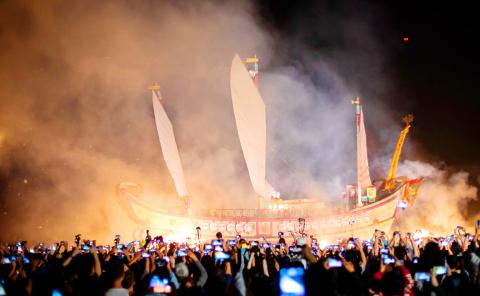
Photo: Perry Svensson, Taipei Times
照片:台北時報記者蘇沛
The boat was taken out of Donglong Temple around 2am, moved to the nearby Jhen Hai beach and set alight at just after 5am. At 6:40am, with the sun in the sky and the crowds mostly gone, the main mast of the burning boat collapsed, its fall cushioned by the boat’s smoldering ashes.
(Paul Cooper, Taipei Times)
在十月二十八日這天,代表全國各地不同宮廟的兩百多個陣頭與神轎齊聚屏東縣的東港鎮。他們千里迢迢來到此地參與「請王儀式」,迎接王爺駕臨凡間,為當地賜福,並為接下來的三年押煞逐疫。
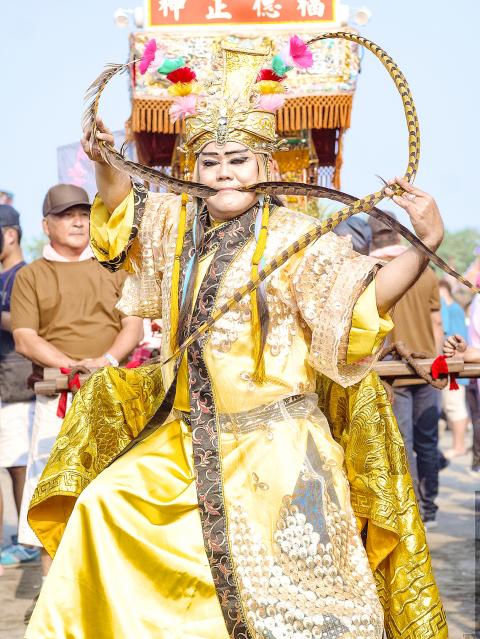
Photo: Paul Cooper, Taipei Times
照片:台北時報記者古德謙
舉行請王儀式是為了請示今年會由哪一位王爺(大千歲)蒞臨凡間,並主持接下來持續一星期的「三年一科」平安祭典一系列科儀。當天下午,各神轎陣頭與隨行乩童步向東港海濱,祈求大千歲降臨,並輪番在沙灘上寫下不同千歲姓氏,等待主持今年科儀的王爺揭露身分。下午四點十分,正式確認今年「代天巡狩」的王爺為盧府大千歲,眾千歲神駕與陣頭遂陸續返回東隆宮,也就是王船安座之處。
十月二十八日的請王儀式之後,隨即展開為期一週的科儀,包括千歲爺乘王船遶境,為當地賜福,彌平邪祟。整個活動的重頭戲在週日清晨於海濱舉行的燒王船儀式中達到高峰,象徵王爺返回天庭,任務圓滿完成。
王船於凌晨兩點左右遷扶出東隆宮,前往鎮海沙灘就定位,並在五點過後不久點火。隨著旭日東昇,人群肅靜離去,燃燒中的王船中桅於早上六點四十分傾倒,被持續悶燒的王船灰燼輕柔地托住。
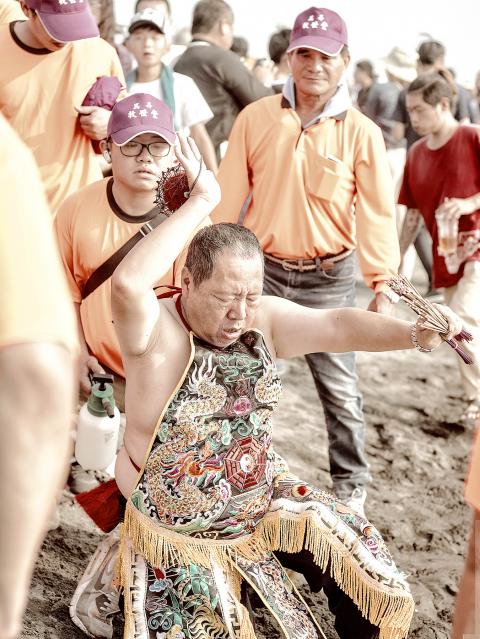
Photo: Paul Cooper, Taipei Times
照片:台北時報記者古德謙
(台北時報章厚明譯)

Cameras are everywhere — in our pockets, on our walls and even in space. They capture emotions, preserve history and reflect culture. Through these devices, photography is now essential to modern life, influencing how we perceive ourselves and the world. To understand the root of their power, let’s explore the camera’s remarkable journey. The story begins with the camera obscura, a dark room with a tiny hole. Light passing through the opening projected an inverted image on the opposite wall. Renaissance artists used this principle to paint accurate scenes. However, these images couldn’t be preserved as photographs. That changed

A: This year’s two most anticipated films have finally hit theaters in Taiwan. “Michael” premiered last Wednesday, while “The Devil Wears Prada 2” premiered this Wednesday ahead of its global release. B: Isn’t “Michael” the biopic about the late King of Pop Michael Jackson? A: Yup, it tells the story of Michael’s legendary life, from child star to global icon. And the role is in fact played by his nephew, Jaafar Jackson. B: Michael caused a sensation when touring Taiwan twice in 1993 and 1996. His classic hits, dance moves and music videos reshaped global pop culture at that time. A: I’m gonna

A: In addition to the biopic “Michael,” comedy “The Devil Wears Prada 2” is finally in theaters. I can’t believe it’s been 20 years since the 2006 debut of the original film. B: Does the sequel still revolve around the fashion industry? A: This time, “Miranda,” the fashion magazine editor-in-chief played by Meryl Streep, will team up with her former assistant “Andy,” played by Anne Hathaway, to fight against Emily, her other ex-assistant played by Emily Blunt. B: Isn’t the role of “Miranda” based on then US “Vogue” editor-in-chief Anna Wintour? A: Yup, it established Anna’s fashion status, influenced pop culture
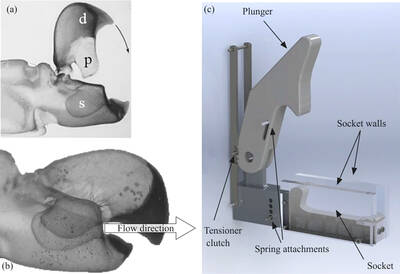
Few sea creatures of their size have as much destructive power as pistol shrimp. These small animals, usually measuring around four centimeters long, produce shock waves that can stun or even kill their prey. The attack begins when the shrimp opens its specialized claw, allowing water to fill a chamber inside. Then the claw closes rapidly. A bump on the claw strikes the chamber, forcing the trapped water out through a narrow opening at a high speed of about 25 meters per second. The rapid movement forms a bubble in the water that collapses almost instantly under the pressure of the


 RSS
RSS