


Tango unfolds in a dimly lit room, where a haunting melody ushers two dancers into a close embrace. Here, music and movement merge into a silent yet passionate conversation, expressing longing, memory and shared purpose. What makes tango truly magical is the deep interaction and spontaneous improvisation between partners.
Tango began in the late 19th century in Buenos Aires, Argentina’s bustling capital. Born in the poor working-class neighborhoods and busy port areas, this dance emerged from a melting pot of cultures. European immigrants, African slaves and local residents all contributed to its unique character. From these rich influences, tango gradually took shape. In the early 20th century, it crossed oceans to Parisian ballrooms, where European high society started dancing tango. It became a sensation, evolving from a street dance into a respected global art form. In 2009, UNESCO recognized tango’s cultural value by including it on its Intangible Cultural Heritage List.
Tango music is exotic, emotional and often filled with longing. The main instruments typically include the piano, violin, and bandoneon, a type of accordion originally from Germany. The bandoneon gives tango its distinctive, melancholic yet powerful sound. On the dance floor, performers execute intricate footwork, smooth glides and elegant turns, all built upon steady posture and shared balance. Every tango gathering is more than a party; it is a place where friendships form, cultural ties strengthen, and stories are conveyed without words.
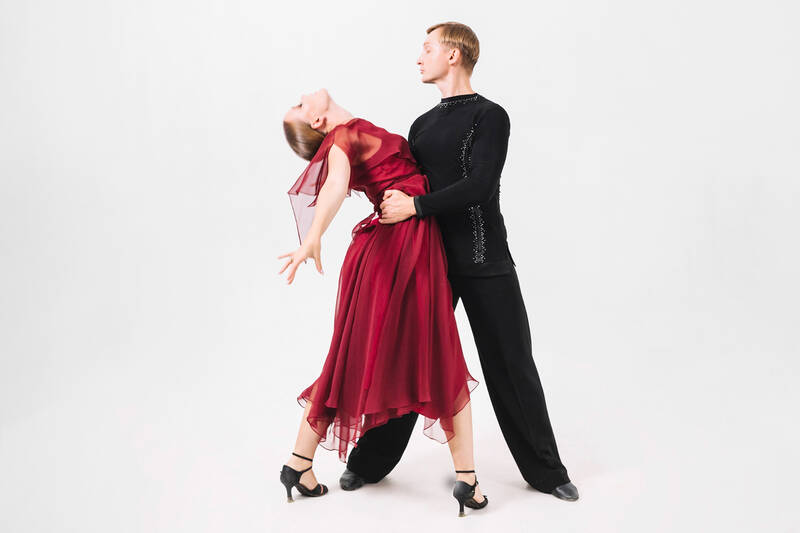
Photo: Freepik 照片:Freepik
Today, tango’s social fabric remains strong. Novice dancers learn the rules of respect, moving politely around the room, while experienced dancers offer guidance and a warm welcome. In this shared space, each step carries the weight of tradition and the promise of connection. Only by stepping into its rhythm can one truly grasp the soul of tango.
探戈在燈光昏暗的房間中展開,一段縈繞心頭的旋律引領著兩位舞者踏入緊密的擁抱。在這裡,音樂與動作融合成一場無聲卻充滿激情的對話,表達著渴望、回憶和共同的目標。探戈真正神奇的地方在於舞伴之間的深度互動和自發的即興創作。
探戈始於西元 19 世紀末阿根廷繁華的首都布宜諾斯艾利斯。這個舞蹈誕生於貧窮的勞工階級社區和繁忙的港口地區,從文化大熔爐中浮現。歐洲移民、非洲奴隸和當地居民都為其獨特的特色做出了貢獻。從這些豐富的影響中,探戈逐漸成形。西元 20 世紀初,探戈遠渡重洋來到巴黎舞廳,在那裡歐洲上流社會開始跳探戈。它引起轟動,從街頭舞蹈演變成受人尊敬的全球藝術形式。西元 2009 年,聯合國教科文組織將探戈列入其無形文化資產名錄,認可了它的文化價值。
探戈的音樂有著異國情調和濃烈情感,且往往充滿渴望。主要樂器通常包括鋼琴、小提琴和班多鈕,這是一種原產於德國的手風琴。班多鈕為探戈帶來了獨特、憂鬱卻充滿力量的聲音。在舞池上,舞者執行著複雜的步伐、流暢的滑步與優雅的旋轉,這些都建立在穩定的姿態和共同的平衡上。每場探戈聚會不僅僅是一場派對;它是友誼形成、文化聯繫加強和故事被無聲傳達的地方。
如今,探戈的社會結構依然強固。新手舞者學習尊重的規則,在房間裡的舞池禮貌地移動,而經驗豐富的舞者則給予指導和溫暖的歡迎。在這個共享的空間中,每個步伐都承載著傳統的重量和連結的承諾。只有踏入其節奏中,才能真正領會探戈的靈魂。
MORE INFORMATION
bustling adj. 繁忙的;熙熙攘攘的
Parisian adj. 巴黎的
ballroom n. 舞廳
intangible adj. 無形的;無實體的
accordion n. 手風琴
melancholic adj. 憂傷的;憂鬱的
intricate adj. 錯綜複雜的;難理解的
glide n. 滑動;滑行
posture n. 姿態;儀態;姿勢
social fabric 社會結構 (把人們連結在一起的制度、文化、習俗與關係)
KEY VOCABULARY
1. unfold vi. 展開;發展
As the story continued to unfold, the mystery behind the strange events became clearer.
隨著故事繼續發展,奇怪事件背後的謎團變得越來越清晰。
2. merge v.(使)融合;(使)合併
The artist managed to merge traditional techniques with modern styles in his latest work.
這位藝術家成功將傳統技巧與現代風格融合於他最新的作品中。
3. passionate adj. 熱情的
Melissa is passionate about teaching and always looks for new ways to inspire her students.
梅莉莎對教學充滿熱情,總是不斷尋找激勵學生的新方法。
4. spontaneous adj. 自發的;非出於強制的
Nathan’s spontaneous decision to travel alone turned out to be the most memorable experience of his life.
納森自發決定獨自旅行,結果成為他一生中最難忘的經歷。
5. resident n. 居民;居住者
The residents complained about the noise from the construction site across the street.
居民們抱怨對街工地的噪音。
6. sensation n. 轟動的事件
The celebrity’s sudden wedding announcement caused a sensation across all social media platforms.
那位名人突然宣布結婚的消息在所有社群媒體上引起轟動。
7. performer n. 表演者
Each performer in the talent show brought a unique skill that entertained the whole audience.
才藝表演中的每位表演者都展現獨特才藝,讓觀眾看得津津有味。
8. execute vt. 執行;實施
Terence was asked to execute a detailed business plan for the company’s new product launch.
泰倫斯被要求為公司新品發表執行一份詳細的商業計畫。
9. novice n. 新手;初學者
Even though Johnny was a novice, his enthusiasm impressed the more experienced members of the team.
儘管強尼是個新手,他的熱情仍讓其他較有經驗的團隊成員印象深刻。
學習音檔: https://magazine.english4u.net/Magdata/menu/co9dg
《空中美語》雜誌APP免費下載: https://www.english4u.net/apps/index.aspx
免費收聽當月《空中美語》雜誌課文朗讀及解析 !
文章由AMC空中美語授權使用: https://www.english4u.net
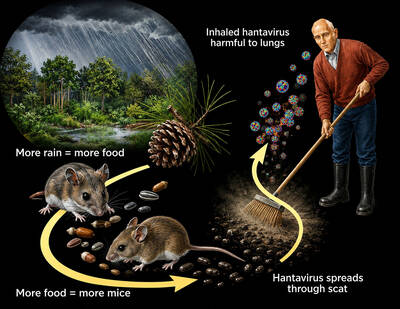
An outbreak aboard a cruise ship of a rare rodent-borne illness called hantavirus has left three passengers dead and sickened others, but global health officials say the risk to the general public remains low because the germ does not easily spread between people. “This is not the next COVID, but it is a serious infectious disease,” said Maria Van Kerkhove, director of epidemic and pandemic preparedness at the World Health Organization (WHO). “Most people will never be exposed to this.” The virus usually spreads when people inhale contaminated residue of rodent droppings. Hantaviruses have been around for centuries and are thought to
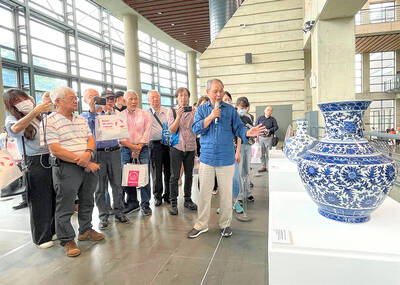
A: Apart from the Danjiang Bridge in New Taipei City, the MRT Sanying Line (Light Blue Line) will open in June. B: Is that the new line leading to Yingge District, the ceramic town? A: Yup, the line will connect the Yingge Ceramics Museum and the Old Streets in Sanxia and Yingge Districts. B: The eastward extension of the Tamsui-Xinyi Line (Red Line) that goes through Taipei’s Xinyi District will also open in June. A: Plus, Taoyuan’s Aerotropolis Line (Green Line) will partially open by the end of the year. In the future, it will connect the

1. 他病了三天。 ˇ He has been sick for three days. χ He has been sick since three days. 註︰這裡現在完成時態 have / has been 表示從過去某一時日到現在的一段時間存在的行為或狀態,與它連用的時間副詞應為 「for +若干時」,如 for a year, for three hours 等,意思是歷時多少。 2. 他自從星期三以來都很忙。 ˇ He has been busy since Wednesday. χ He has been busy from Wednesday. 註︰「自從……以來」,該用 since。說從某一天(某一時刻)到某一天(某一時刻)才用 from,如 from Monday till Friday。 3. 房間角落裡散放著一些零星物件。 ˇ There were some odds and ends lying in the corner of the room. χ There were some odds and ends lying at the corner of the room. 註︰「在房間角落裡」該用介詞 in。例如: He stood in the corner. There is a lamp in the corner of the room. at the corner 指房子外部的拐角。例如: A little boy
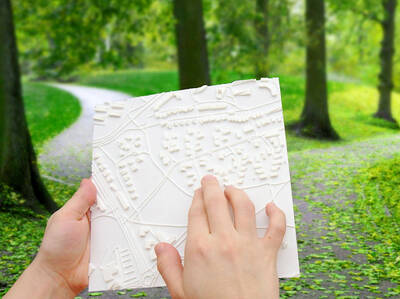
Have you ever wondered how people navigate the world when they can’t see a map? For individuals with visual impairments, conventional maps are nearly impossible to use. This is where tactile maps come in — essential tools that allow people to “see” the world through touch. A tactile map is specially designed with raised lines, textures, and symbols to represent geographical features such as roads, rivers, and buildings. Users explore it with their fingertips. However, these maps are not exclusively for people with visual disabilities. They serve as valuable multisensory learning tools that enhance spatial understanding for everyone, making


 RSS
RSS