


Sea star wasting disease (SSWD) is a strange and serious illness affecting sea stars, or starfish. This disease causes sea stars to develop painful lesions, lose their arms, and eventually turn into a gooey, melted mess. Since it was first observed in 2013, millions of sea stars along the Pacific coast of North America have died from this __1__.
Although viruses were once considered a possible cause, researchers now believe that environmental stressors and microorganisms are primarily __2__ for sea star wasting disease. One of the main environmental triggers appears to be warmer ocean water. When the water heats up, it promotes the __3__ growth of tiny aquatic organisms called phytoplankton. These phytoplankton blooms consume large amounts of oxygen in the water, making it hard for sea stars to __4__. At the same time, microorganisms living on and around the sea stars multiply, feeding on their decaying tissue and __5__ the problem. This creates a dangerous cycle where sea stars slowly suffocate and waste away.
海星衰弱症候群是影響海星的一種奇怪且嚴重的疾病。這種疾病會讓海星出現疼痛的損傷、失去腕足,最後變成一團軟又黏的融化物。自該疾病於 2013 年首次被發現以來,北美太平洋沿岸已有數百萬隻海星死於此疾病。
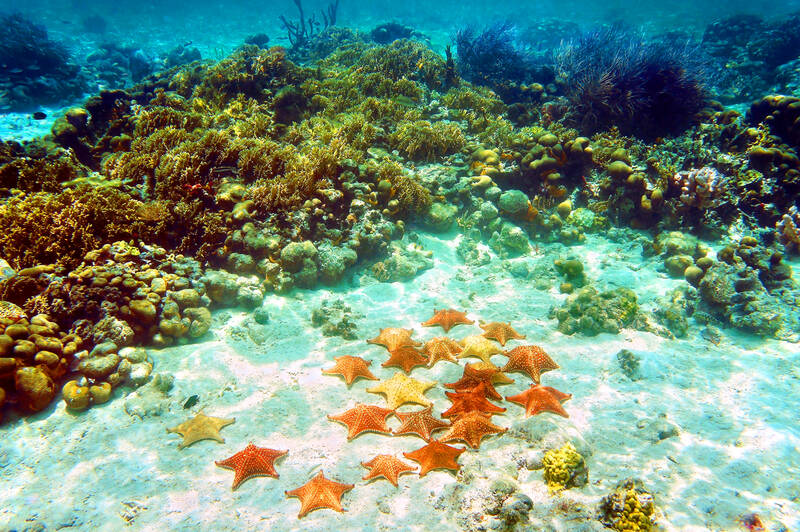
Photo: AdobeStock I 照片:AdobeStock
雖然病毒曾一度被認為是可能的病因,但研究人員現在認為,環境壓力與微生物的綜合作用才是引發海星衰弱症候群的主因。其中一個主要的環境觸發因素似乎是海水溫度升高。當水溫上升時,會促使被稱為浮游植物的微小水生有機體快速成長。這些浮游植物大量繁殖會消耗水中大量的氧氣,讓海星難以呼吸。與此同時,生活在海星表面和周圍的微生物數量會大量增加、啃食腐爛的海星組織、使問題更加嚴重。這形成了一個危險的循環,海星會慢慢窒息死亡而分解。
Word in Use
1. virus n. 病毒
Photo: AdobeStock I 照片:AdobeStock
The doctor said the symptoms were caused by a common virus.
醫生說這些症狀是由一種常見的病毒所引起。

Photo: AdobeStock I 照片:AdobeStock
2. organism n. 有機體
Every organism plays a role in the ecosystem.
每個有機體在生態系統中都有一定的作用。
3. bloom n. 大量繁殖
The sudden bloom of algae reduced oxygen levels in the lake.
突然大量繁殖的藻類降低了湖中的氧氣含量。
Practical Phrases
1. die from. . . 死於……
Fish may die from lack of oxygen in polluted water.
魚可能會因為在受汙染的水中缺氧而死。
2. heat up 變熱
The climate is heating up due to global warming.
由於全球暖化,氣候正在變暖。
3. feed on. . . 以……為食
Some animals feed on grass, while others feed on raw meat.
有些動物以草為食,而有些則以生肉為食。
To be continued tomorrow(明日待續)
https://www.taipeitimes.com/News/lang
聽文章朗讀及講解: https://ivy.pse.is/455bfu
本文出自常春藤解析英語雜誌: www.ivy.com.tw
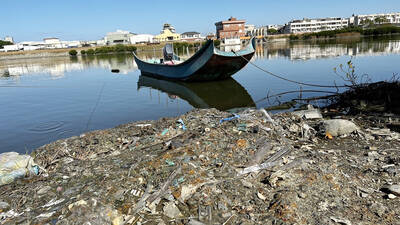
Many consumers are guilty of filling drawers or closets with old laptops, cellphones, fitness trackers and other electronic devices once they are no longer needed. It’s hard to know where to recycle such items, or it seems costly and inconvenient to do so. The world generates millions of tons of electronic waste — also called e-waste — each year. According to the UN’s most recent estimate, people worldwide produced 62 million metric tons of e-waste in 2022, and only about 22 percent of it was properly recycled. The US’ Environmental Protection Agency estimates that less than a quarter of e-waste is
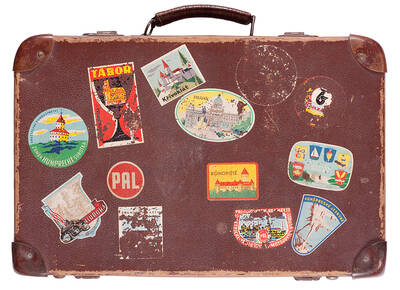
Travel fever is back, and it’s contagious. After years of being kept home during the COVID-19 pandemic, people are once again eager to explore the world. Rather than just book any trip, travelers are getting smarter about how they scratch that travel itch. Microcation Defined as four days or fewer and over 160km away from home, the microcation perfectly matches the post-pandemic mindset. After long periods of remaining indoors, people are making up for lost time by taking short, frequent getaways throughout the year. These brief trips avoid the work-life imbalance that comes with long absences. With only a few days away, one’s

You’re sitting in class when a classmate asks to borrow a pencil. It seems like a small favor, so you agree without hesitation. The following week, the same classmate asks to share your notes. Later, they request help with a group project. You agree each time — after all, you helped out the first time — but before you know it, it has become automatic. This scenario demonstrates the “foot-in-the-door technique,” a psychological concept that shows how agreeing to small, acceptable demands makes it easier to accept larger ones later on. The name for this strategy comes from door-to-door

Continued from yesterday(延續自昨日) https://www.taipeitimes.com/News/lang Gig Tripping “Gig tripping” combines concerts with travel. People fly to see their favorite artists perform — usually abroad—and spend a few days sightseeing before or after the show. While die-hard fans have done this since the 1960s, the post-pandemic travel boom changed the game. Even people who aren’t superfans are now booking international concert trips because they want to make the most of travel opportunities. This trend exploded in the US, as the math makes sense. Domestic concert tickets are so costly that flying abroad for the show plus tourism expenses often matches or even beats the price


 RSS
RSS