


Elephants used their trunks to shower floral-clad Thais with water on Wednesday in a street fight celebrating the kingdom’s traditional new year, a raucous festival known as Songkran that will bring revelers out for a nationwide water battle this week.
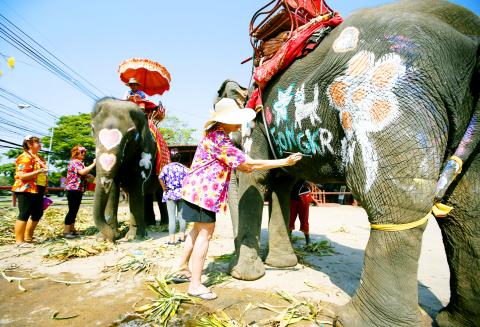
The animals, whose wrinkled hides were decorated with paint, splashed and sprayed in the streets of Thailand’s former capital Ayutthaya, a tourist hotspot famed for its ancient temple ruins.
A mix of Thais and foreigners armed with water guns and buckets fired back at the elephants, who were controlled by handlers — known as mahouts — riding on their backs.
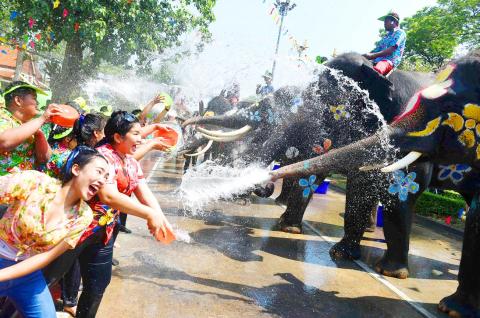
Photo: AFP
照片:法新社
“Today our children (elephants) are having fun and the foreigners who come to Ayutthaya are happy to inherit the Thai tradition,” Tawan Sudso, an organizer of the annual event, told AFP.
The Buddhist new year festival officially starts on April 13 and runs for three days.
Traditional celebrations include paying respect to elders and sprinkling water over Buddha figures at local temples, a ritual believed to accrue good karma.
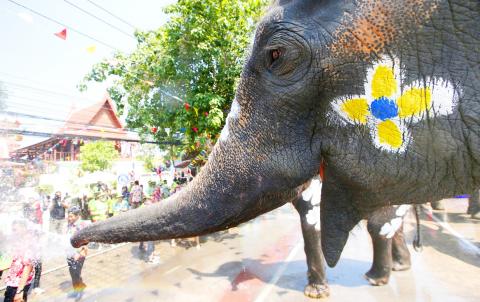
Photo: AP
照片:美聯社
But the holiday has also become known as one of the world’s biggest water fights, drawing massive crowds of Thais and tourists to soggy street parties that bring much of the country to a standstill.
Police expect about 60,000 partiers to cram into just one Bangkok neighborhood for the watery warfare later this week.
Under military rule, Bangkok’s Songkran water fights have become less raucous in recent years with alcohol sales restricted and regular appeals from authorities to avoid provocative dancing.
照片:歐新社
Photo: EPA
Similar but smaller water festivals are also held in neighboring Buddhist countries like Myanmar and Laos.(AFP)
週三在慶祝泰王國傳統新年的一場街頭對戰中,大象用牠們的象鼻子把水噴灑在穿著花衣裳的泰國人群身上。喧鬧的泰國傳統新年節慶又稱「宋干節」,本週將會吸引狂歡的人群一起出外參加全國遍地開花的打水仗活動。
滿佈皺紋的象皮被妝點上油彩顏料,大象們在泰國的舊首都──阿瑜陀耶──的街上潑起水來,噴灑著水花。阿瑜陀耶是一個觀光勝地,以眾多古老寺廟的遺跡聞名。
混合泰國人與外國人的另一組人馬,用水槍和水桶武裝自己,向大象們「開水」射擊。被稱為「象夫」的管象人,則騎在大象的背上,控制這些動物。
這個年度活動的籌辦人塔彎‧蘇德索告訴法新社:「我們的象孩子們今天玩得很開心,造訪阿瑜陀耶的外國人也很樂於傳承此一泰國傳統。」
這個佛教新年節慶於四月十三日正式開始,一連持續三天。
傳統的慶祝活動包括向年長者致敬,隨後對地方廟宇的佛像潑灑清水,這個儀式咸認為可以增添福報。
這樣的新年假期卻也逐漸成為世界上最大規模的水仗之一,每年吸引大批的泰國人與觀光客人潮參加濕答答的街頭狂歡活動,導致泰國絕大部分地區陷入停擺。
警方預估,光是鄰近曼谷的單一地區,本週稍晚就會湧入約六萬名的派對人潮,參加濕淋淋的潑水大戰。
在軍政府統治下,酒精飲料販售受限,當局也經常呼籲大眾避免跳著煽情的舞蹈,因此曼谷的「宋干節」水仗近年來喧鬧程度稍減。
內容類似但規模較小的潑水慶典也會在包括緬甸、寮國等鄰近佛教國家舉行。
(台北時報章厚明譯)
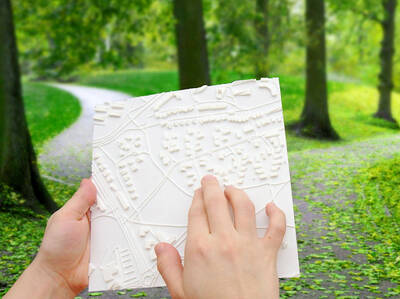
Have you ever wondered how people navigate the world when they can’t see a map? For individuals with visual impairments, conventional maps are nearly impossible to use. This is where tactile maps come in — essential tools that allow people to “see” the world through touch. A tactile map is specially designed with raised lines, textures, and symbols to represent geographical features such as roads, rivers, and buildings. Users explore it with their fingertips. However, these maps are not exclusively for people with visual disabilities. They serve as valuable multisensory learning tools that enhance spatial understanding for everyone, making
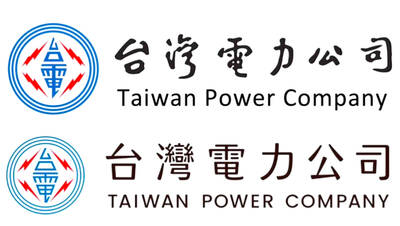
The debate surrounding Taipower’s recent corporate identity reboot has gone well beyond the design community. The controversy began after Taipower replaced the familiar “Taiwan Power Company” wording — widely regarded as the calligraphy of Yu You-ren (1879-1964), former Control Yuan president and master calligrapher — with a modern logotype by designer Aaron Nieh’s team, Aaron Nieh Workshop. Taipower said the change was not a wholesale replacement of old signage, but an “optimization of its identity system,” aimed at meeting the needs of digital media, electronic bills, apps, social media graphics and various small-format applications. Existing physical markings, such as building

Since 2005, the third Monday in January has come to be known as “Blue Monday.” In other words, that day is believed to be the most depressing day of the year. This concept seems logical at first. After all, Monday marks the start of the school or workweek after two days of rest and fun. Also, blue is a color that is often associated with sadness. Furthermore, in many parts of the world, January is a time when the weather is cold, rainy, and gloomy. But is there any scientific proof that this January day is truly sadder than any of

Continued from yesterday(延續自昨日) https://www.taipeitimes.com/News/lang For the most part, the idea of “Blue Monday” has been rejected as a myth. Some mental health experts also say there is a danger in labeling a certain day as the most depressing time of the entire year. Some argue that if people expect to feel sadder on the third Monday in January, this belief alone may increase their anxiety. One group that is worried about the negative effect of believing in Blue Monday is Samaritans. A mental health charity based in the UK, Samaritans is working to turn Blue Monday into “Brew Monday.” In this


 RSS
RSS