


Tainan’s Chimei Museum has curated a special exhibition, Omotenashi — Ceramics for Feasting and Enjoying the Tea Ceremony, selected ceramic masterpieces on loan from Japan’s Seikado Bunko Art Museum. It is the first time in the Japanese museum’s 125-year history that an extensive collection of its exhibits have been displayed abroad.
Chimei Museum says that Japanese cuisine, which is eaten and appreciated around the world, is registered by UNESCO as an Intangible Cultural Heritage, and many members of the public will have sipped from a bowl of fragrant matcha tea or enjoyed Japanese cuisine. However, drinking matcha tea is just one element of Japanese tea culture, and cha-kaiseki, kaiseki-ryori and kaiseki-ryori (written using different Japanese characters) — forms of Japanese haute cuisine — are all uniquely different.
The Seikado Bunko Art Museum includes a library and a museum from which approximately 100 tea-making objects and utensils have been selected for inclusion in Chimei Museum’s special exhibition.
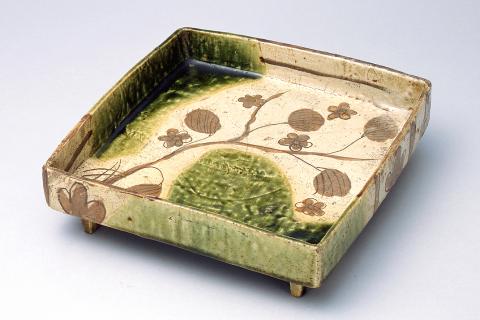
Photo: CNA
照片:中央社
According to Chimei Museum, some of the priceless objects on display will include an early 17th century Mino ware Oribe style dish with grass pattern; an exquisite set of clay teapots known as the “Jingxi Eight Immortals;” and a Raku ware tea cup, made in the style prefered by legendary Japanese tea master, Sen no Rikyu.
In addition, the museum has painstakingly created a traditional Japanese teahouse so that visitors to the exhibition can feel the spirit of a Japanese tea ceremony.
Omotenashi — Ceramics for Feasting and Enjoying the Tea Ceremony opened to the public last Friday and will continue until Nov. 12.
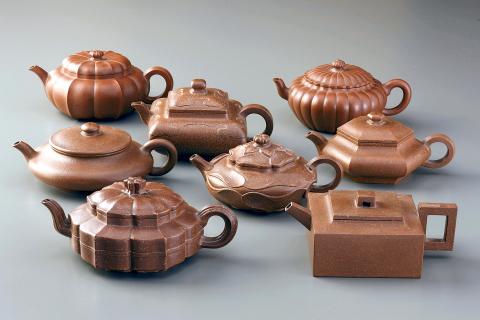
Photo: CNA
照片:中央社
(CNA, translated by Edward Jones)
台南的奇美博物館正舉行特展「待客之心–日本茶道與宴客文化」靜嘉堂精選陶瓷名品展,是日本靜嘉堂成立一百二十五年來,首度到國外大規模展出。
奇美博物館指出,日本「和食」備受許多人喜愛,已被聯合國教科文組織登錄為無形文化遺產。喝一碗香濃抹茶、品一頓日本料理,是不少民眾曾經有過的體驗。但喝抹茶只是日本茶道的一小部分,茶懷石、懷石料理、會席料理其實大不同。
靜嘉堂擁有一座圖書館、一座美術館,此次由「靜嘉堂文庫美術館」以「待客之心」為主軸,精選約百件茶道、宴客相關器皿來台展出。
館方指出,展品中有製作於十七世紀初的美濃窯「織部草花紋方盤」、以漢詩文賦予雅號的精緻茶壺組「荊溪八仙」、還有依據「日本茶聖」千利休要求風格所燒製的「樂茶碗」等作品,每一件都很珍貴。
此外,展場中精心打造日本傳統茶室跨海來台,讓民眾現場感受茶席精神。
「待客之心–日本茶道與宴客文化」特展上週五登場,截止日期為十一月十二日。
(中央社)

For many introverts, shy individuals and people with social anxiety, mingling at parties is often draining or arouses uncomfortable emotions. The internal debate about whether or not to attend large get-togethers can get especially intense during the holiday season, a time when many workplaces celebrate with cocktail hours, gift exchanges and other forms of organized fun. “Some people are just not party people,” City University of New York social work professor Laura MacLeod said. “With a workplace holiday party, there’s a pressure to be very happy and excited. It’s the end of the year, it’s the holidays, we’re all feeling grand.
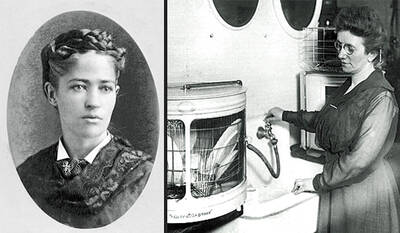
Twelve dinner guests have just left your house, and now a tower of greasy plates stares back at you mockingly. Your hands are already wrinkling as you think about scrubbing each dish by hand. This nightmare bothered households for centuries until inventors in the 19th century tried to solve the problem. The first mechanical dishwashers, created in the 1850s, were wooden machines with hand cranks that splashed water over dishes. Unfortunately, these early devices were unreliable and often damaged delicate items. The real breakthrough came in the 1880s thanks to Josephine Cochrane, a wealthy American socialite. According to her own account,

A: Wow, US climber Alex Honnold has announced that he’s going to free-climb Taipei 101 on Jan. 24. And the challenge, titled “Skyscraper Live,” will be broadcast worldwide live on Netflix at 9am. B: Oh my goodness, Taipei 101 is the world’s tallest green building. Is he crazy? A: Honnold is actually the climber in the 2019 film “Free Solo” that won an Oscar for best documentary, and was directed by Taiwanese-American Jimmy Chin and his wife. He’s a legendary climber. B: Didn’t Alain Robert, “the French Spiderman,” also attempt to scale Taipei 101 in 2004? A: Yes, but
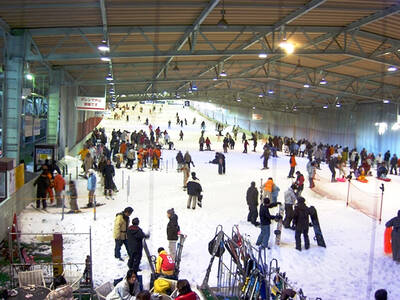
對話 Dialogue 清清:你看到小陳最近發的滑雪照了嗎?看起來真帥氣。 Qīngqing: Nǐ kàndào Xiǎo Chén zuìjìn fā de huáxuě zhào le ma? Kàn qǐlái zhēn shuàiqì. 華華:感覺滑雪很好玩。看了他的照片以後,我在想要不要去學滑雪。 Huáhua: Gǎnjué huáxuě hěn hǎowán. Kàn le tā de zhàopiàn yǐhòu, wǒ zài xiǎng yào bú yào qù xué huáxuě. 清清:我聽說報名滑雪教室的話,會有教練帶你練習。 Qīngqing: Wǒ tīngshuō bàomíng huáxuě jiàoshì de huà, huì yǒu jiàoliàn dài nǐ liànxí. 華華:可是我有點怕摔倒,而且裝備好像不便宜。 Huáhua: Kěshì wǒ yǒudiǎn pà shuāidǎo, érqiě huāngbèi hǎoxiàng bù piányí. 清清:剛開始一定會摔啊,不過可以先上初級課程,比較安全。 Qīngqing: Gāng kāishǐ yídìng huì shuāi a, búguò kěyǐ xiān shàng chūjí kèchéng, bǐjiào ānquán. 華華:說的也是。那你呢?你想不想一起去? Huáhua: Shuō de yěshì. Nà nǐ ne? Nǐ xiǎng bù xiǎng yìqǐ qù? 清清:我想加一!我們可以先找找看哪裡有教練和適合初學者的課程。 Qīngqing: Wǒ xiǎng jiā yī! Wǒmen kěyǐ xiān zhǎo zhǎo kàn nǎlǐ yǒu jiàoliàn hàn shìhé


 RSS
RSS