


Double 11 Singles’ Day, literally “bare sticks day,” has become an online shopping spree in the Chinese-speaking world in recent years. Nov 11 was originally chosen by a certain group of young people to celebrate the fact of their being single. The date was chosen because the number “1” resembles a single entity.
But after e-commerce operators turned Singles’ Day into an online shopping festival, Double 11 has tunred into a frantic shopping spree for Chinese netizens, and many Taiwanese have got caught up in the phenomenon, too, making large orders on this day. When Alibaba Group launched the 2015 11.11 Global Shopping Festival on this day last year, the company saw its “gross merchandise volume” (GMV) reach 10 billion yuan (about NT$50 billion) in the first 12 minutes of the festival.
(CNA, translated by Eddy Chang)

Photo: Reuters
照片︰路透
雙11光棍節近幾年成為華人世界網購節日,這個特別的日子最初是因為一群年輕人想慶祝單身狀態而出現,因為十一月十一日的數字「1」看起來像是單獨的個體。
不過,在電子商務業者把「光棍節」行銷為網購節後,「雙11」已成為中國網民瘋狂消費的節日。許多台灣網民也無法抵抗這股網購促銷潮,這天紛紛下單採買。去年今天阿里巴巴集團「11.11全球購物節」開賣,開始十二分鐘後,商品交易總量已突破人民幣一百億元(約新台幣五百億元)。
(中央社)
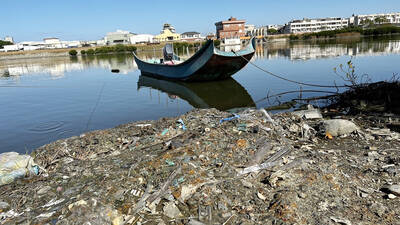
Many consumers are guilty of filling drawers or closets with old laptops, cellphones, fitness trackers and other electronic devices once they are no longer needed. It’s hard to know where to recycle such items, or it seems costly and inconvenient to do so. The world generates millions of tons of electronic waste — also called e-waste — each year. According to the UN’s most recent estimate, people worldwide produced 62 million metric tons of e-waste in 2022, and only about 22 percent of it was properly recycled. The US’ Environmental Protection Agency estimates that less than a quarter of e-waste is
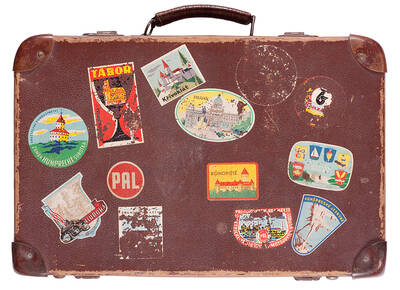
Travel fever is back, and it’s contagious. After years of being kept home during the COVID-19 pandemic, people are once again eager to explore the world. Rather than just book any trip, travelers are getting smarter about how they scratch that travel itch. Microcation Defined as four days or fewer and over 160km away from home, the microcation perfectly matches the post-pandemic mindset. After long periods of remaining indoors, people are making up for lost time by taking short, frequent getaways throughout the year. These brief trips avoid the work-life imbalance that comes with long absences. With only a few days away, one’s

You’re sitting in class when a classmate asks to borrow a pencil. It seems like a small favor, so you agree without hesitation. The following week, the same classmate asks to share your notes. Later, they request help with a group project. You agree each time — after all, you helped out the first time — but before you know it, it has become automatic. This scenario demonstrates the “foot-in-the-door technique,” a psychological concept that shows how agreeing to small, acceptable demands makes it easier to accept larger ones later on. The name for this strategy comes from door-to-door

Continued from yesterday(延續自昨日) https://www.taipeitimes.com/News/lang Gig Tripping “Gig tripping” combines concerts with travel. People fly to see their favorite artists perform — usually abroad—and spend a few days sightseeing before or after the show. While die-hard fans have done this since the 1960s, the post-pandemic travel boom changed the game. Even people who aren’t superfans are now booking international concert trips because they want to make the most of travel opportunities. This trend exploded in the US, as the math makes sense. Domestic concert tickets are so costly that flying abroad for the show plus tourism expenses often matches or even beats the price


 RSS
RSS