


Japanese are staying cool as a cucumber this summer with "Pepsi Ice Cucumber" - a new soda based on the crisp green gourd.
The soft drink, which hit stores on June 12, doesn't actually have any cucumber in it, but it has been artificially flavored to resemble "the refreshing taste of a fresh cucumber," said Aya Takemoto, spokeswoman of Japan's Pepsi distributor, Suntory Ltd.
"We wanted a flavor that makes people think of keeping cool in the summer heat," Takemoto said. "We thought the cucumber was just perfect."
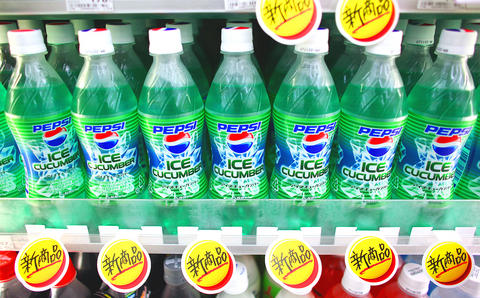
PHOTO: AP
The mint-colored soda is on sale just for the summer and only in Japan, Takemoto said. She said initial sales were brisk, and Suntory aims to sell 200,000 cases over the next three months.
Pepsi trails behind industry leaders Coca Cola (Japan) Company, with about 15 percent of the Japanese cola market, and also faces stiff competition from non-fizzy bottled drinks like green tea and coffee, which are popular in Japan.
Suntory said it sold 20.5 million cases of Pepsi brand drinks in 2006, including its popular Pepsi NEX zero-calorie soda.
日本人今夏以「百事冰黃瓜」的黃瓜口味新汽水來消暑。
百事可樂日本經銷商三得利公司的發言人竹本彩女士說,六月十二日上市的黃瓜汽水成分並非真含黃瓜,而是人工加味成「鮮黃瓜的清涼口味」。
「我們要讓人聯想到夏季消暑的口味,」竹本彩說︰「黃瓜口味再適合不過了。」
竹本彩指出,這款薄荷色的汽水僅在日本夏季限量販售,一開始就創下銷售佳績,三得利公司希望未來三個月能賣出二十萬箱。
日本百事的銷售落後同業大廠可口可樂,只佔可樂市場的15%,在綠茶與咖啡等非氣泡罐裝飲料受歡迎的同時,也面臨嚴酷競爭。
三得利公司表示,他們去年賣出了兩千零五十萬箱百事可樂相關飲品,其中包括暢銷的「Pepsi NEX」零卡路里百事可樂。 (美聯社:翻譯︰賴美君)
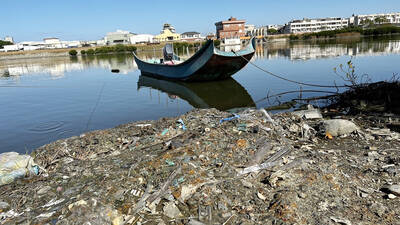
Many consumers are guilty of filling drawers or closets with old laptops, cellphones, fitness trackers and other electronic devices once they are no longer needed. It’s hard to know where to recycle such items, or it seems costly and inconvenient to do so. The world generates millions of tons of electronic waste — also called e-waste — each year. According to the UN’s most recent estimate, people worldwide produced 62 million metric tons of e-waste in 2022, and only about 22 percent of it was properly recycled. The US’ Environmental Protection Agency estimates that less than a quarter of e-waste is
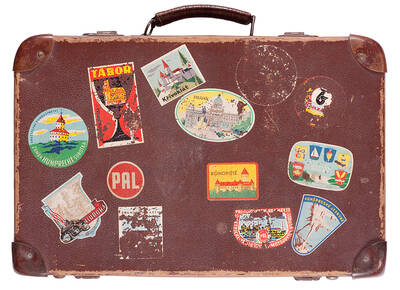
Travel fever is back, and it’s contagious. After years of being kept home during the COVID-19 pandemic, people are once again eager to explore the world. Rather than just book any trip, travelers are getting smarter about how they scratch that travel itch. Microcation Defined as four days or fewer and over 160km away from home, the microcation perfectly matches the post-pandemic mindset. After long periods of remaining indoors, people are making up for lost time by taking short, frequent getaways throughout the year. These brief trips avoid the work-life imbalance that comes with long absences. With only a few days away, one’s

You’re sitting in class when a classmate asks to borrow a pencil. It seems like a small favor, so you agree without hesitation. The following week, the same classmate asks to share your notes. Later, they request help with a group project. You agree each time — after all, you helped out the first time — but before you know it, it has become automatic. This scenario demonstrates the “foot-in-the-door technique,” a psychological concept that shows how agreeing to small, acceptable demands makes it easier to accept larger ones later on. The name for this strategy comes from door-to-door

Continued from yesterday(延續自昨日) https://www.taipeitimes.com/News/lang Gig Tripping “Gig tripping” combines concerts with travel. People fly to see their favorite artists perform — usually abroad—and spend a few days sightseeing before or after the show. While die-hard fans have done this since the 1960s, the post-pandemic travel boom changed the game. Even people who aren’t superfans are now booking international concert trips because they want to make the most of travel opportunities. This trend exploded in the US, as the math makes sense. Domestic concert tickets are so costly that flying abroad for the show plus tourism expenses often matches or even beats the price


 RSS
RSS