


Dos & Don’ts — 想想看,這句話英語該怎麼說?
1. 許多聽眾出席演講。
ˇ A large audience attended the speech.
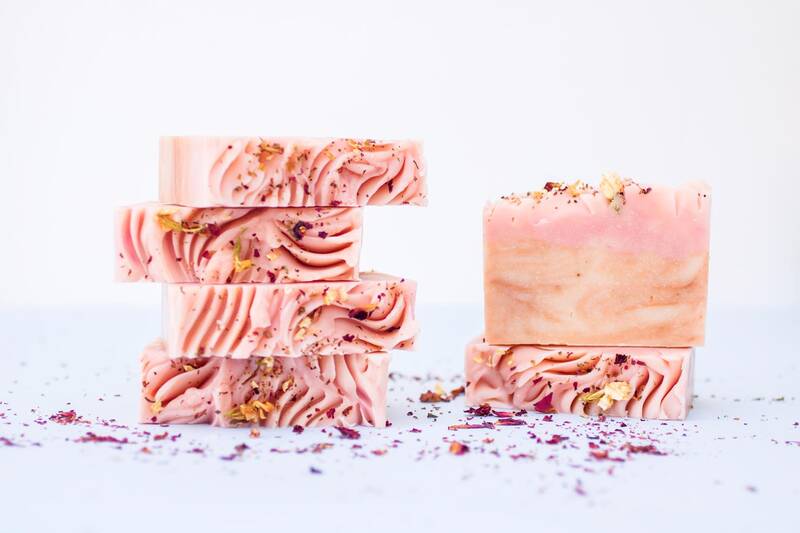
Photo: AdobeStock l 圖片:AdobeStock
χ A large number of audience attended the speech.
註:audience 為聽眾或觀眾的總稱,不是個別的人。「聽眾多」應說 a large audience,「聽眾少」應說 a small audience。
2. 他的衣服快穿破了。

Photo: Adobe Stock l 圖片:Adobe Stock
ˇ His clothes are almost worn out.
χ His clothes is almost worn out.
註:clothes 統指衣服,只有複數而且不能與數詞連用。具體表示某一種衣服的名詞可有單複數,如 garment、dress、coat 或 overcoat 等。「一套衣服」的量詞應該用 a suit of clothes,指上衣和褲子或裙子布料、款式一致的整套衣服。
3. 你們是日本人,他們是英國人。
ˇ You are Japanese. They are English/Britons.
χ You are Japanese. They are Englishmen.
χ You are Japanese. They are Englishman.
註:表示民族的名詞,其單複數形式不定,舉例如下:
單數 / 複數
a Chinese / Chinese 中國人
a Japanese / Japanese 日本人
a Russian / Russians 俄國人
a German / Germans 德國人
an American / Americans 美國人
an Englishman / Englishmen
a Briton / Britons 英國人
a Dutchman / Dutchmen 荷蘭人
注意:Englishman 一詞現已逐漸少用。目前也有趨勢是多用民族的形容詞來代替其名詞,如:
說 I’m Jewish.(我是猶太人)而不說 I’m a Jew. 同理,He’s American.不宜說 He’s an American.
(請留意香港人是 Hongkonger,不說 *Hongkongese。)
4. 她沒有叫多少菜。
ˇ She did not order too much food.
χ She did not order too many foods.
註:food 是不可數名詞,應與量詞一起用,如 three pieces / items of food(三樣食物),a few bits of food(幾樣菜)或 a table of food(一桌菜)。
5. 昨天我買了六塊肥皂。
ˇ Yesterday I bought six cakes of soap.
χ Yesterday I bought six soaps.
註:英語中的 soap、chalk、furniture、bread、information 等為不可數名詞,需要計數時,前面要加表示單位的量詞,如:a cake / tablet / bar of soap、three pieces of chalk、five pieces of furniture、a loaf of bread 等。
Exercises:
A. 昨天我們買了兩件家具。
Yesterday we bought two __________.
1. pieces of furnitures 2. pieces of furniture
3. furnitures 4. furniture
B. 許多聽眾參加那次音樂會。
A __________ audience attended the concert.
1. big 2. many
3. large 4. much
Answers: A. 2 B. 3
文章由書林出版公司提供:
www.bookman.com.tw
蘇正隆 — 台灣翻譯學學會前理事長、師大翻譯研究所兼任副教授; 編著《走讀自然.花言樹語》,《英語的對與錯》,《世紀病毒:必讀防疫英文知識與詞彙》...等。國家教育研究院中英雙語詞彙審議委員;研究領域為翻譯、術語及詞典編譯,從事植物與人文導覽數十年,亦曾應邀遠赴國外大學做植物人文導覽。

Every few years, the World Baseball Classic (WBC) offers sports fans a real World Series. At its finest, as in the shocking upset on Tuesday last week of the US team by Italy, the games generate the kind of electricity fans feel at the FIFA World Cup. That’s exactly how Major League Baseball (MLB), which owns the WBC, wants it. The tournament, first played in 2006, was designed to boost the league’s profile beyond North America and help it become a global game. In most respects, it’s done better than expected. Yet as the WBC grows, the structure, timing and staging of
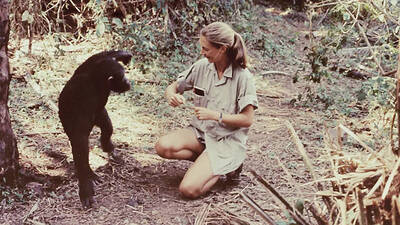
Jane Goodall, the pioneering scientist whose groundbreaking research changed our understanding of chimpanzees and reshaped the study of animal behavior, has died at the age of 91. The Jane Goodall Institute confirmed that she passed away from natural causes in California in October 2025 while on a speaking tour. Born in England, Goodall gained international fame in the 1960s after traveling to Tanzania to study wild chimpanzees under the guidance of anthropologist Louis Leakey. At the time, she had no formal scientific training, yet she lived among the animals and recorded their behavior in remarkable detail. Her discovery that

Dos & Don’ts — 想想看,這句話英語該怎麼說? 1. 她德語說得和她老師一樣流利。 ˇ Her German is as fluent as her teacher’s. ˇ She speaks German as fluently as her teacher (does). χ Her German is as fluent as her teacher. 註︰這裏所比的是「她的德語」和「她老師的德語」,而不是把她的德語和她的老師這個人相比,所以必須說 her teacher’s,即 her teacher’s German。或把「她說德語」和「她老師說德語」比較。 2. 一般認為北部人生活步調和南部人不同。 ˇ The people of the North are generally described as different from those of the South in terms of pace of life. χ The people of the North are generally described as different from the South in terms of pace of life. 註︰所不同者是北部人和南部人,而不是北部人和南部地區的比較,所以應加 those of,those 代替 the people,以免重複。 3. 他的新小說和上一本風格不同。 ˇ The style of his new novel is different from that of his last one. ˇ His new
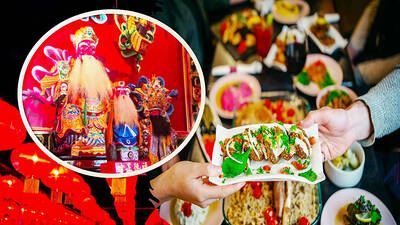
對話 Dialogue 清清:華華,別忘了這禮拜五晚上,老闆請喝春酒喔! Qīngqing: Huáhua, bié wàngle zhè lǐbàiwǔ wǎnshàng, lǎobǎn qǐng hē chūnjiǔ o! 華華:啊!我差點忘了,謝謝提醒。 Huáhua: À! Wǒ chàdiǎn wàngle, xièxie tíxǐng. 清清:老闆人真好,過年前請我們吃尾牙,過完年又請吃春酒。 Qīngqing: Lǎobǎn rén zhēn hǎo, guònián qián qǐng wǒmen chī Wěiyá, guòwán nián yòu qǐng chī chūnjiǔ. 華華:尾牙是感謝我們過去一年的辛勞,春酒是希望我們今年繼續努力啊! Huáhua: Wěiyá shì gǎnxiè wǒmen guòqù yì nián de xīnláo, chūnjiǔ shì xīwàng wǒmen jīnnián jìxù nǔlì a! 清清:給我加薪,我就努力。 Qīngqing: Gěi wǒ jiāxīn, wǒ jiù nǔlì. 華華:還真是「有錢能使鬼推磨」。 Huáhua: Hái zhēn shì “Yǒu qián néng shǐ guǐ tuī mò.” 清清:那還用說。對了!別只顧著吃,頭牙快到了,農曆二月二是土地公生日,記得跟我去拜拜。 Qīngqing: Nà hái yòng shuō. Duìle! Bié zhǐ gùzhe chī, Tóuyá kuài dàole, nónglì èr yuè èr shì Tǔdìgōng shēngrì, jìdé gēn wǒ qù bàibai. 華華:沒問題,東西我來準備,放心吧!一起發大財! Huáhua: Méi wèntí, dōngxi wǒ lái zhǔnbèi, fàngxīn ba!


 RSS
RSS