


April 20 to April 26
After a hundred years, Matsu finally made it onto the boat.
On April 25, 1926, vessels carrying a statue of Cheng Cheng-kung (鄭成功, also known as Koxinga) from the Kaishan Shrine (開山神社) sailed down the Tainan Canal during the inauguration ceremony of the waterway, followed by the Japanese Seven Lucky Gods.
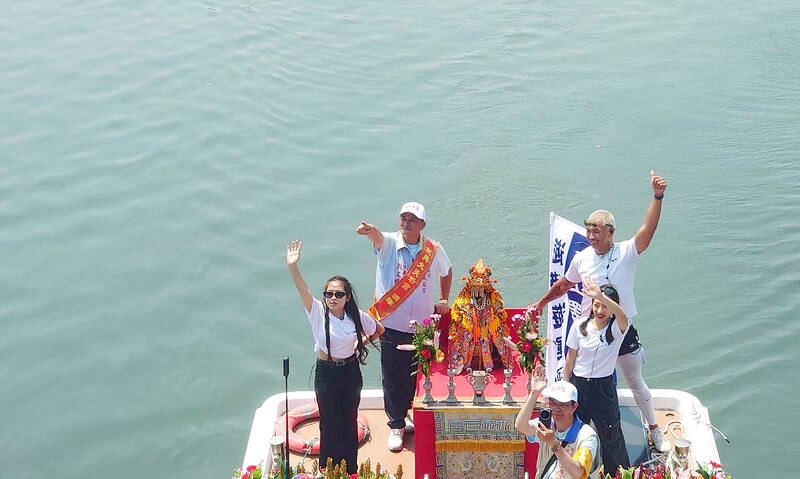
Photo: Hung Jui-chin, Taipei Times
That afternoon, the Grand Matsu Temple’s (大天后宮) Zhennan Matsu (鎮南媽祖) deity led a massive procession along the canal. Its impressive scale gave rise to the local saying, “Matsu opens the canal” (媽祖開運河).
As part of the canal’s centennial celebrations, the land-and-water procession was reenacted on Saturday last week — however this time with the sea goddess traversing the canal by speedboat alongside Koxinga and several local Earth Gods.
The festivities continue, with nightly light shows by the water through Saturday, while three light installations remain on display until June 30. An outdoor music festival will take place on May 1 and May 2 by Huanhe Road (環河路), followed by a canal-themed concert on May 16 at the The Tainan Municipal Cultural Center. A commemorative exhibition, “Traces on the Canal” (運河有影) is on view at the Fancy House (???石芳宅) through May 3, also featuring talks, tours and performances.
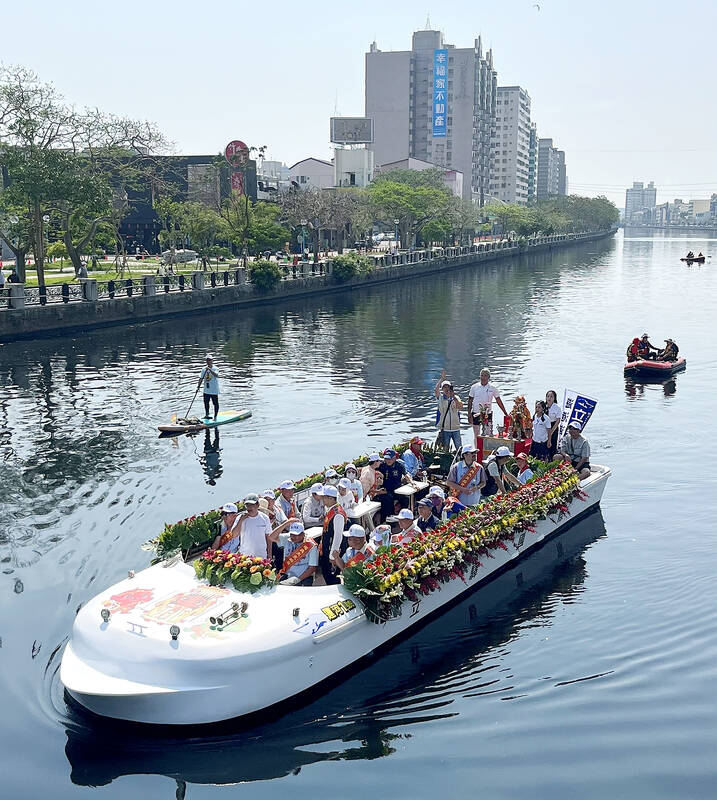
Photo: CNA
CHANGING WATERWAYS
During the Qing Dynasty, Tainan’s Luermen (鹿耳門) served as the main gateway for ships arriving from China. In the summer of 1823, a major storm and heavy rainfall caused the Zengwen River (曾文溪) to change course, bringing large amounts of sediment into the Anping area. This accelerated the silting of the Taijiang Inner Sea (台江內海), eventually blocking maritime access to Tainan City.
Local business guilds pooled their money to build what came to be known as the Old Tainan Canal, which they maintained by collecting a usage fee, states the book Revival of Tainan Canal (運河再生). Over time, as road transport expanded and the fee shifted to government control, maintenance efforts diminished. Combined with sedimentation from storms and river floods over the years, the canal gradually became unusable. By 1906, the Japanese authorities were considering building a new waterway.
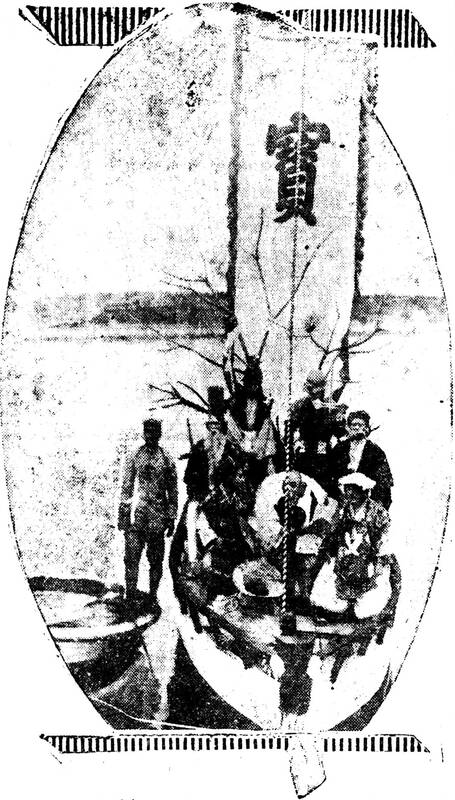
Photo courtesy of National Museum of Taiwan History
Construction began in 1922 and was reportedly carried out largely through manual labor. Local workers were employed at wages considered competitive for the time, with men digging soil and women transporting excavated earth.
ELABORATE CELEBRATION
The new Tainan Canal was completed in March 1926. Designed by civil engineer Torata Matsumoto, it was 3,782m long and 37m wide. A grand inauguration ceremony was planned, and the Grand Matsu Temple’s annual procession was reportedly moved a day earlier to coincide with it.
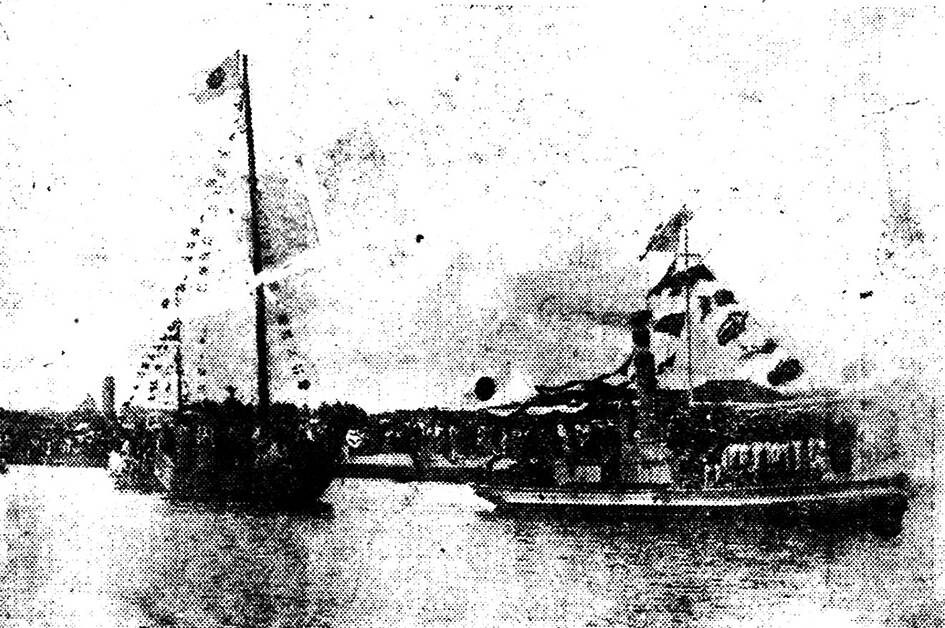
Photo courtesy of National Museum of Taiwan History
The Tainan Shinpo newspaper described the gala in detail, beginning in the morning with about 2,000 students waving Japanese flags and singing congratulatory songs. A youth band played as the boats carrying the deities set off, while a winding flag procession followed on both banks. Vendors lined the area, alongside geisha performances, dragon boat races, duck-catching competitions and photo booths.
The crowd swelled in the afternoon as the Zhennan Matsu procession arrived, accompanied by traditional ensembles with each participating business displaying their flags. It took two hours for the parade of an estimated 15,000 people to pass through an intersection. The report noted that the deity would tour the city the following day, and the festivities concluded in the evening with light displays and fireworks over the river.
Despite the celebratory mood, the Taiwan Minpao (臺灣民報) remained skeptical, noting that the new canal was still susceptible to silting and commenting that it would have cost far less to repair the old canal.
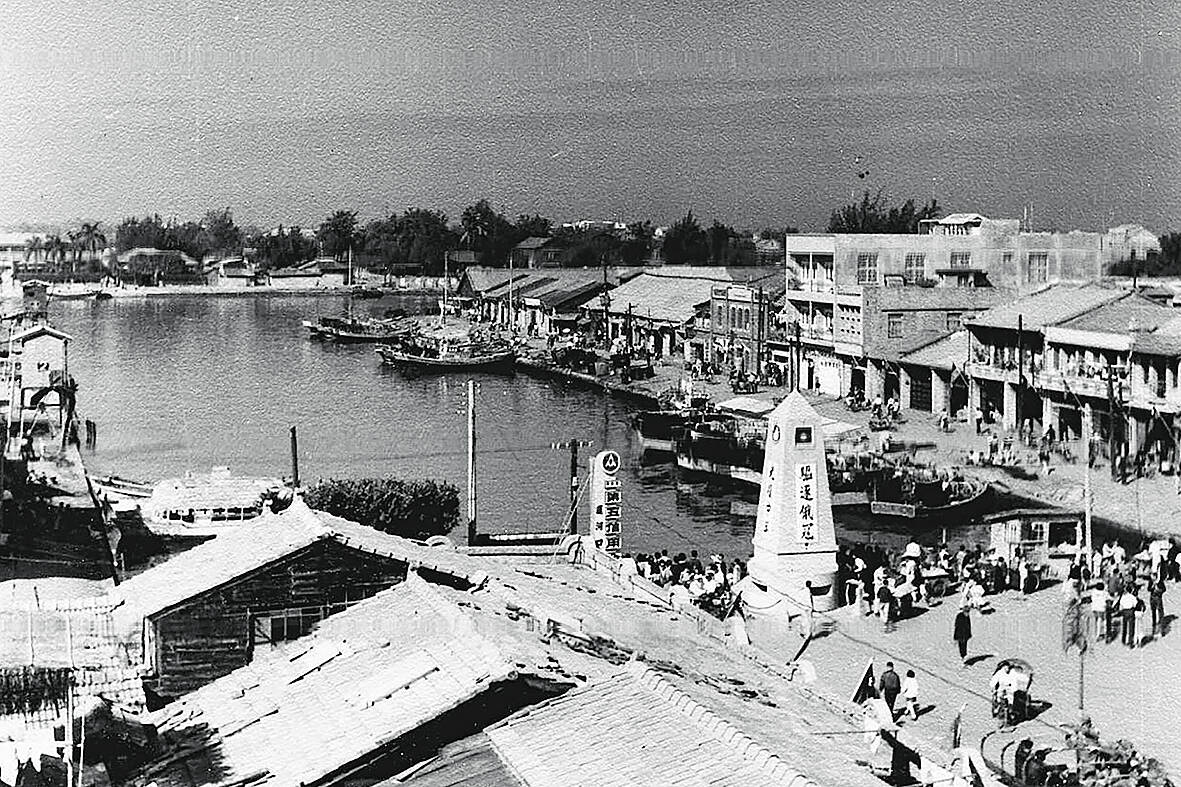
Photo courtesy of Tainan University of Technology
SOCIAL EFFECTS
With its clear water and picturesque scenery, the canal became a popular recreational spot. People cruised down the water while eating, drinking and sometimes playing games or watching performances. It attracted visitors from all walks of life, as even a simple bamboo raft was enough to take part.
A darker aspect of the canal was is association with suicides. The 1930s saw love-based marriage become more common as a social ideal, clashing with traditional family hierarchies.
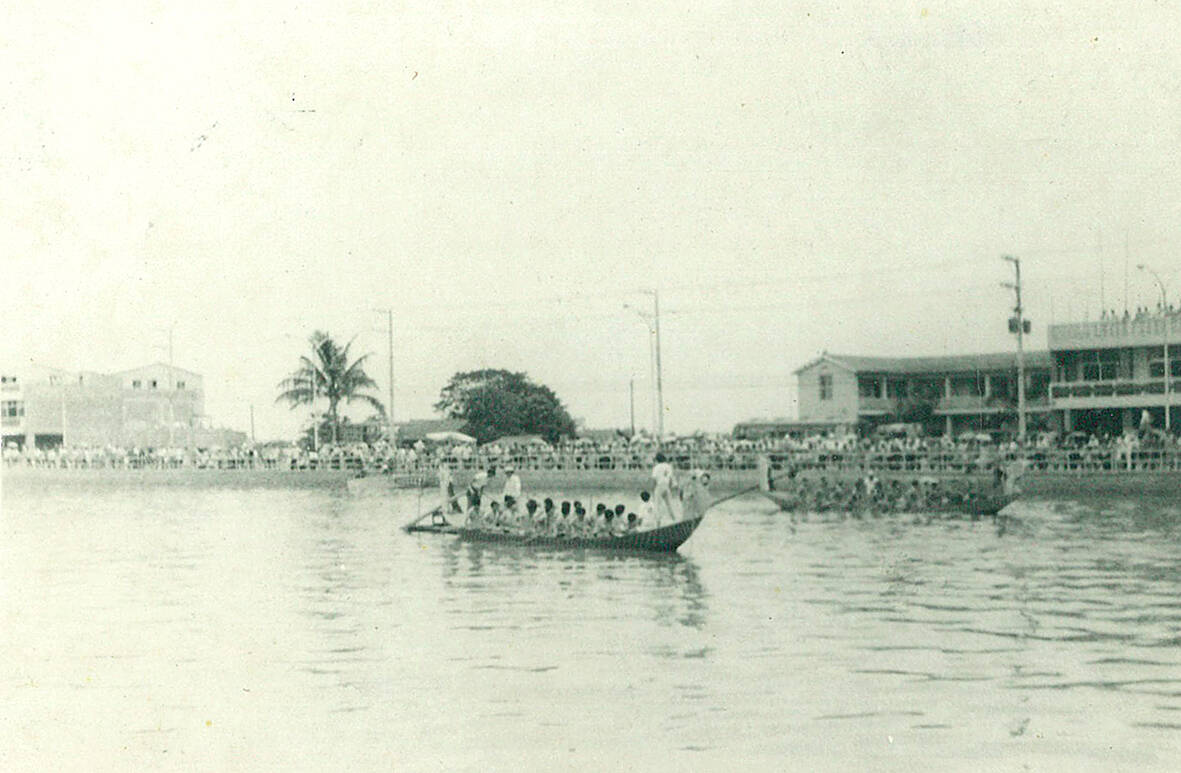
Photo courtesy of Tainan City Government
The public were drawn to reports that described lovers taking their own lives by jumping into the canal, often involving men from affluent families and women working as entertainers or in the sex industry.
A report from 1929 caused a stir and inspired several popular pieces of liam-kua (唸歌), a traditional form of melodic storytelling. Cheng Tao-tsung (鄭道聰) writes in his book on Tainan sayings that this period saw the emergence of another canal-related idiom — “the canal has no lid” — referring to how easily one could jump in. It was generally used as a sarcastic remark in response to someone confused in their own thoughts, Cheng writes.
The story was later turned into a novel and play. In 1956, two movies were released loosely based on the 1929 incident: Tragedy by a Canal (運河奇緣) and The Canal Suicides (運河殉情記).
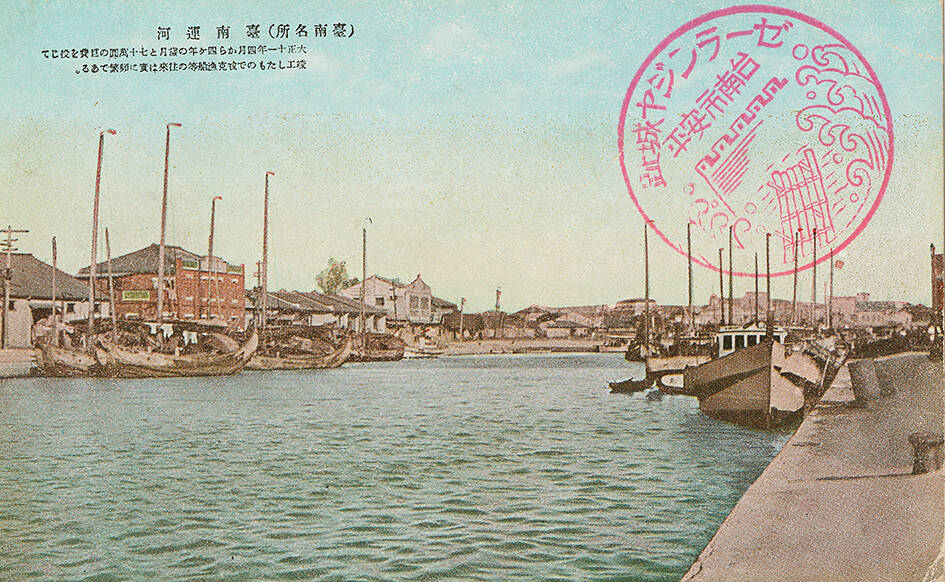
Photo courtesy of National Museum of Taiwan History
DEMISE AND REVIVAL
After World War II, ferries began transporting people across the canal. A narrow extension at the end of the canal, where fishing boats docked, developed into a bustling area marked by a large monument bearing anti-communist slogans.
As Tainan urbanized and industrialized, the canal became increasingly polluted by household and industrial waste. Combined with the rise of road transportation, water traffic had declined significantly by the 1960s.
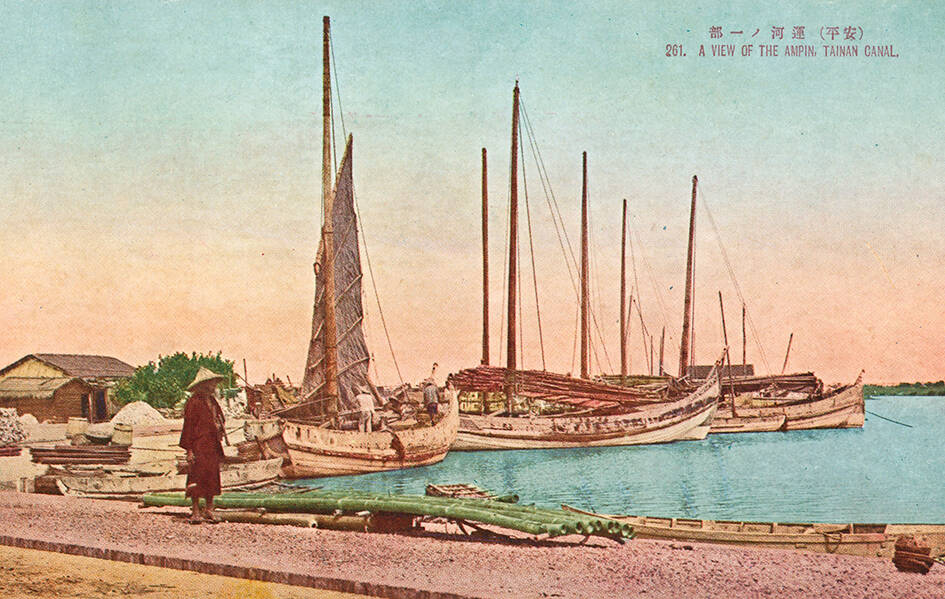
Photo courtesy of National Museum of Taiwan History
By then, even the annual dragon boat races had been suspended due to a 1962 incident in which an overcrowded vessel capsized, leading to the death of 22 spectators. The races resumed in 1974.
In 1982, the city reclaimed the extension, constructing the Tainan Chinatown (台南中國城) shopping complex and several bridges crossing the canal. This effectively blocked fishing boats from entering the city, reducing the canal largely to a wastewater channel.
It was not until 1999 that cleanup efforts began, gradually restoring the canal into the local attraction it is today.
Taiwan in Time, a column about Taiwan’s history that is published every Sunday, spotlights important or interesting events around the nation that either have anniversaries this week or are tied to current events.

Ajay Verma, a consultant gastroenterologist at Kettering general hospital in Northamptonshire, says our gut is a “complex machine.” “It is constantly providing us with the nutrition we need, initially to grow and develop, and then for us to survive, thrive and repair from injury and illness.” How can we keep it functioning well? Put simply: “Make sure what you put into it is balanced, and that you clear out its waste products adequately,” Verma says. “In a general gastroenterology clinic, the most common conditions we see are irritable bowel syndrome (IBS), gastroesophageal reflux disease, inflammatory bowel disease and constipation,” says Nisha
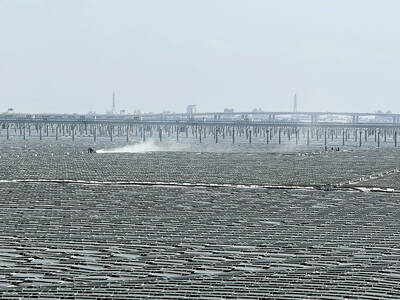
The arithmetic is straightforward and uncomfortable. By the end of 2025, Taiwan had committed itself to a 50-30-20 electricity mix — half natural gas, 30 per cent coal, 20 per cent renewables. The Ministry of Economic Affairs’s (MOEA) own monthly energy reports tell a different story. Natural gas reached 47.8 per cent of generation last year. Coal stood at 35.4 per cent, comfortably above its target ceiling. Renewables came in at 13.1 per cent, well short of the 20 per cent Taipei had pledged a decade earlier. Installed renewable capacity reached roughly half of the 12 gigawatts (GW) the government
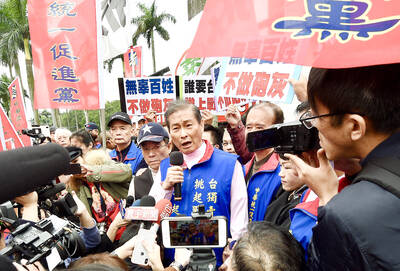
There are shadowy cabals plotting to sell out Taiwan to be annexed by China, by invasion if necessary. Fortunately, they are buffoons. In 2019, former Bamboo Union gangster and founder of the China Unification Promotion Party (CUPP), Chang An-le (張安樂, colorfully known as “White Wolf”), led a protest at the Legislative Yuan against comments made by then-premier Su Tseng-chang (蘇貞昌) that in the event of an attack by China, he would never surrender, but would protect the nation by fighting to the end, even if he only had a broom. Chang had party members bring a wooden casket that they
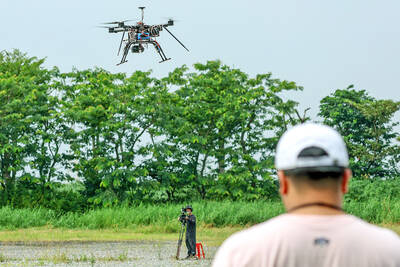
Taiwan’s drone exports are taking off, fuelled by the war in Ukraine, as Taiwanese companies seek a stake in the fast-growing global market for unmanned aerial vehicles (UAV). Low-cost drones used for reconnaissance and strikes are in high demand as governments around the world boost defense spending in the face of intensifying conflicts. A relative new player in the increasingly competitive industry, Taiwan’s pitch is to be an “Asian hub” for the production of UAVs and components free of Chinese materials, or “non-red.” That means its UAVs can be up to three times more expensive than their Chinese competitors, like the world’s biggest


 RSS
RSS