


Organized by the Museum of Contemporary Art, Taipei (台北當代藝術館, MOCA, Taipei), Street Fun, Fun Street (街大歡囍) is an annual exhibition that presents art outside of the museum walls. “Breathing” is this year’s theme, which is meant to describe the general stagnancy artists and curators currently feel. It is getting harder to breathe fresh air, write guest curators Liu Hsing-yu (劉星佑) and Hsu Yi-Hsiang (許翼翔), a metaphor for the sense of helplessness felt by many in the arts community. The show includes nine local artists who respond to such predicaments through installation, interactive works and performances. On Sunday afternoon, Ho An-yun (何安妘) and Wanpinini’s (頑皮妮妮) performance, Sale Talk (販賣對話), will take place at the Taipei Zhongshan Market (中山市場). For more details, visit: www.mocataipei.org.tw
■ Museum of Contemporary Art, Taipei (台北當代藝術館, MOCA, Taipei), 39, Changan W Rd, Taipei City (台北市長安西路39號), tel: (02) 2559-6615. Open Tuesdays to Sundays from 10am to 6pm
■ Starts tomorrow; until Nov. 3
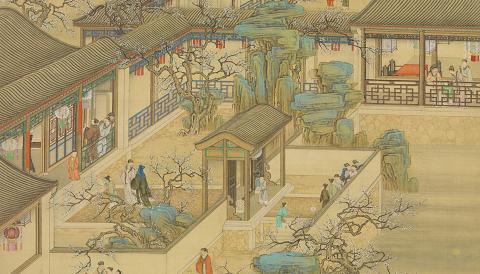
Photo Courtesy of National Palace Museum
Since 2011, the National Palace Museum has been creating high-resolution animations of selected paintings from the museum collection. The animations faithfully depict the original works while highlighting the cinematic quality that scroll paintings inherently possess. Activities of the Twelve Lunar Months is the museum’s latest digital production created according to a set of twelve anonymous paintings from the Qing Dynasty. Once hung in the Qianlong Emporer’s palace, the pictures showcase seasonal changes and folk customs throughout the year. Although the author is unknown, it is speculated that several court painters contributed to their completion. Western influences are apparent, giving the rendition of space and people a more lifelike quality.
■ National Palace Museum (國立故宮博物院), 221 Zhishan Rd Sec 2, Taipei City (台北市至善路二段221), tel: (02) 2881-2021. Open daily from 8:30am to 6:30pm; closes at 9pm on Fridays and Saturdays
■ Until Dec. 26
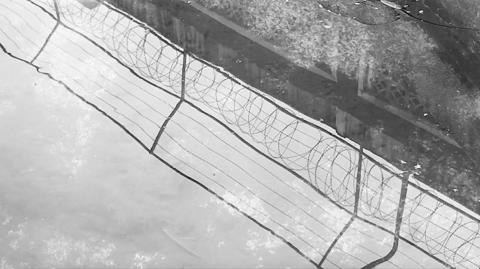
Photo Courtesy of the artist
Independent online magazine New Bloom (破土) presents Puann-Phinn (搬片), a series of events that explores the power of projection. As part of the program, the film Boundaries (南北 邊境) by Hong Kong artist Lee Chun-feng (李俊峰) will be screened on Sunday at the coffee shop lechat (路上撿到一隻貓). Lee works in a variety of media — video, photography, writing, direct action and installation — to probe the intersections between community and history. He is also co-founder of the former community space Woofer Ten (活化廳) from 2013 to 2015. Boundaries is a speculative narrative based on a proposal made by the British government to build a Hong Kong Wall between the New Territories and Kowloon.
■ lechat (路上撿到一隻貓), 2, Lane 49, Wenchou St, Taipei City (台北市溫州街49巷2號), tel: (02) 2364-2263.
■ Sunday from 7pm to 10pm
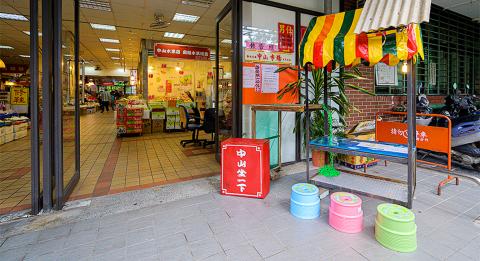
Photo Courtesy of MOCA, Taipei
Dan Ji (淡季) is the first edition of the Gou Zai Wei Street Art Festival (溝仔尾街區藝術季), a month of experimental art exhibitions and short-term art residencies that take place in a historical street of Hualian City (花蓮市). Every year, Hualien as a tourist destination experiences high and low seasons of visitor influx, and these patterns greatly affect the rhythm of daily life for local residents and businesses. While many businesses close shop when tourism is low, the festival seeks to redirect the energy of the community towards artistic creation when business is less busy. This year the program includes art performances, music, poetry, installation, tattoo and perfume creations. The festival seeks to integrate creative energies into the local community.
■ Gou Zai Wei St, Hualien City (花蓮市溝仔尾街) tel: (09) 3265-5384. For opening hours please contact organizers.
■ Begins tomorrow; until Oct. 26
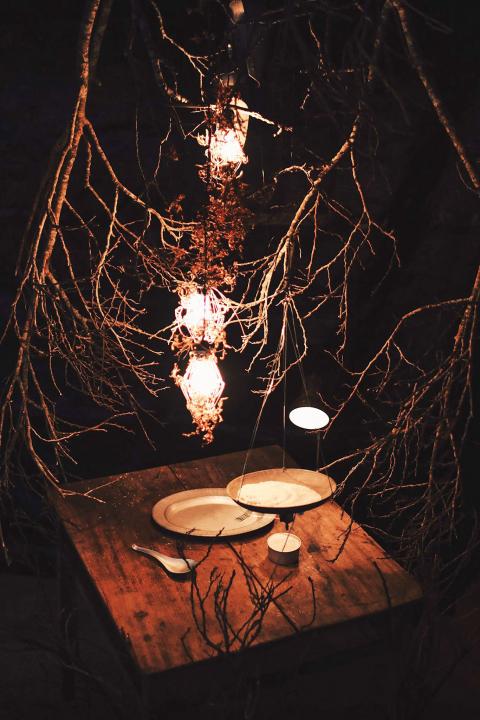
Photo Courtesy of Earthing Way
Taipei based art and design groups The Earthing Way (地衣荒物) and Zone Sound Creative (融聲創意) team up to present an interactive exhibition about sensory experiences, memories and auditory events. The two teams share an interest in cross-disciplinary practices and an adaptation of technologies to the creative process. The Earthing Way takes as its starting point the idea of “old is new” in the context of Taiwanese culture. Initial Resonance ARAMONO Interactive Sound Exhibition 2.0 (同根聲—荒物聲響裝置展2) features an installation of wares familiar to Taiwanese households that are hooked up to a sound system. Visitors navigate the sound system using an Web page to create audible feedback or movement of objects within the space.
■ Songshan Cultural and Creative Park (松山文創園區) 133, Guangfu South Rd, Taipei City (台北市光復南路 122號), tel: (02) 2765-1388. Open daily from 9am to 6pm
■ Until Oct. 20
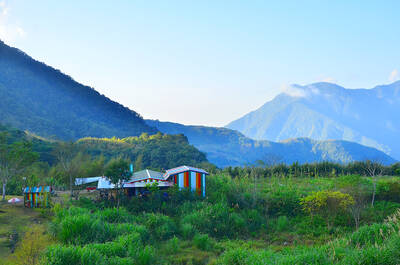
If one asks Taiwanese why house prices are so high or why the nation is so built up or why certain policies cannot be carried out, one common answer is that “Taiwan is too small.” This is actually true, though not in the way people think. The National Property Administration (NPA), responsible for tracking and managing the government’s real estate assets, maintains statistics on how much land the government owns. As of the end of last year, land for official use constituted 293,655 hectares, for public use 1,732,513 hectares, for non-public use 216,972 hectares and for state enterprises 34 hectares, yielding
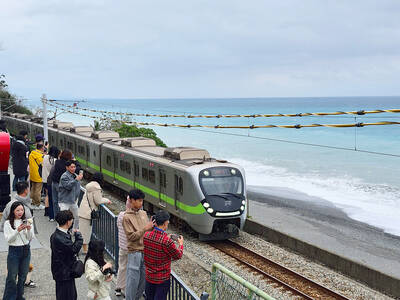
The small platform at Duoliang Train Station in Taitung County’s Taimali Township (太麻里) served villagers from 1992 to 2006, but was eventually shut down due to lack of use. Just 10 years later, the abandoned train station had become widely known as the most beautiful station in Taiwan, and visitors were so frequent that the village had to start restricting traffic. Nowadays, Duoliang Village (多良) is known as a bit of a tourist trap, with a mandatory, albeit modest, admission fee of NT$10 giving access to a crowded lane of vendors with a mediocre view of the ocean and the trains

One of the challenges with the sheer availability of food in today’s world is that lots of us end up spending many of our waking hours eating. Whether it’s full meals, snacks or desserts, scientists have found that it’s not uncommon for us to be mindlessly grazing at some point during all of our 16 or so waking hours. The problem? As soon as this food hits the bloodstream in the form of glucose, it initiates the release of the hormone insulin. This in turn activates a switch present in every one of our cells, which is responsible for driving cell
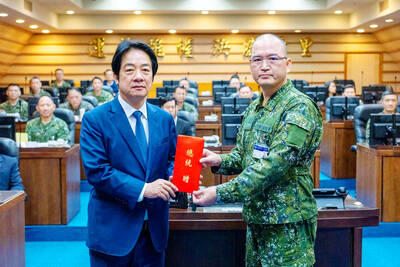
President William Lai (賴清德) on Nov. 25 last year announced in a Washington Post op-ed that “my government will introduce a historic US$40 billion supplementary defense budget, an investment that underscores our commitment to defending Taiwan’s democracy.” Lai promised “significant new arms acquisitions from the United States” and to “invest in cutting-edge technologies and expand Taiwan’s defense industrial base,” to “bolster deterrence by inserting greater costs and uncertainties into Beijing’s decision-making on the use of force.” Announcing it in the Washington Post was a strategic gamble, both geopolitically and domestically, with Taiwan’s international credibility at stake. But Lai’s message was exactly


 RSS
RSS