


Dining at the Grand Formosa Regent’s Brasserie Festival Buffet, one of the capital’s best-known all-you-can-eat restaurants, requires some strategizing.
For the best service and selection of food, make reservations at least several days in advance for lunch (NT$850 on weekdays and NT$1,050 on weekends) or dinner (NT$950 on weekdays or NT$1,050 on weekends). The Brasserie at night is a seafood lover’s dream, with giant piles of crabs, prawns served with cocktail sauce and a large variety of sashimi. The only drawback is that the crab claws do not come pre-cracked and some of the meat was a little bit dry. After slowly working my way through four of the crustaceans, I began to wish that I had visited the buffet’s other sections first.
The hot food buffet offers an excellent selection of both Chinese and Western dishes including pork knuckle with sauerkraut, sausage and meatballs, steamers filled with dim sum dumplings, a carving stand serving ham (roast beef is also available at dinner) and made-to-order items like shrimp and green onion pancakes. One of the best and most popular offerings is fresh shrimp tempura. Each battered and fried shellfish was grabbed almost as fast as it appeared, but the cooks quickly replenished the supply. Baskets filled with hot, steamed organic vegetables, including sweet potatoes and beets, are available for health conscious guests.

Photo: H.L.H.
Priced at NT$490 on weekdays and NT$590 on weekends, the buffet’s afternoon tea is aimed at diners who want to save money but still enjoy many of the same dishes that the Brasserie serves during dinner. The lower price means that there is a reduced selection of seafood (no crabs or prawns and a smaller variety of sashimi), but you can still pick from a fully stocked hot food bar, a variety of cold salads and enjoy your fill of desserts, including Haagen-Dazs ice cream.
Though an excellent deal, the afternoon tea’s long lines might test your patience. The Brasserie opens at 2:30pm and customers who arrive on time are treated with as much ceremony as guests at a wedding banquet, but that is to maintain crowd control. A hostess with a seating chart located my name and then handed me off to a server, who guided me to my seat in the Brasserie’s back room, which has soaring windows and a lovely view of Grand Formosa’s bucolic terrace.
Most patrons of the afternoon tea made a beeline for the seafood buffet, where a slow-moving line had already formed for fish soup, three kinds of seafood salad, sashimi, sushi and made-to-order hand rolls. There was a smaller variety of raw fish than at the dinner buffet (no tuna or salmon, for instance) and it was also of lower quality. The sushi rolls were also lackluster and, after standing in line for 15 minutes, I skipped the additional wait for the hand rolls. The line shortens considerably about half an hour into the afternoon tea service and it is worth first visiting the other sections (including the hot food bar and salad bar), which offer tastier dishes, before going to the seafood section.
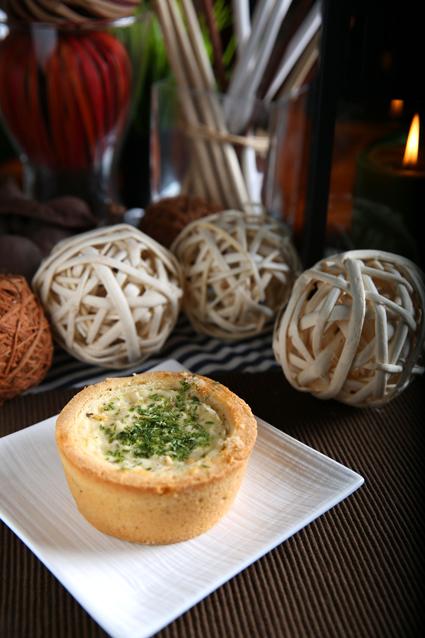
Photo: H.L.H.
The Brasserie’s dessert bar selection is excellent throughout the day and worth saving some stomach space for. Be wary of the many custard treats the Brasserie serves in small glasses during its dinner service. They look luscious, with toppings of jewel-like berries and fruit, but turned out bland on a recent visit. On the other hand, the buffet excels at chocolate desserts; even the chocolate fountain seems to be better quality than its counterparts at other all-you-can-eat restaurants. A warm brownie served at dinner tasted delicious when topped with hot fudge and a scoop of praline and cream Haagen-Dazs. Breakfast is also served at the Brasserie every morning and is NT$600 on weekdays and weekends.
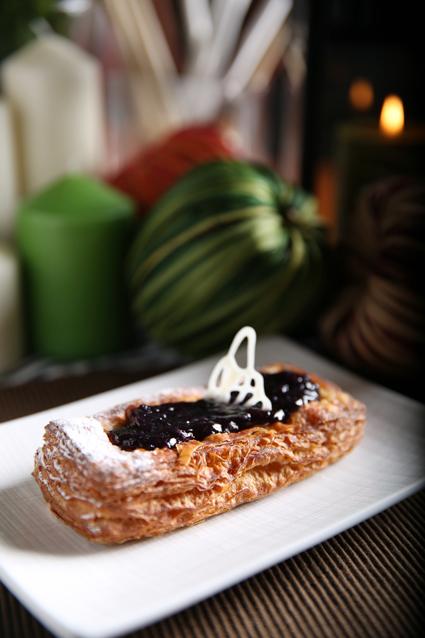
Photo: H.L.H.
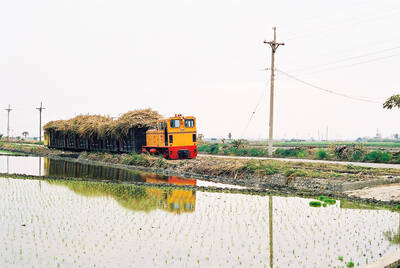
Jan. 5 to Jan. 11 Of the more than 3,000km of sugar railway that once criss-crossed central and southern Taiwan, just 16.1km remain in operation today. By the time Dafydd Fell began photographing the network in earnest in 1994, it was already well past its heyday. The system had been significantly cut back, leaving behind abandoned stations, rusting rolling stock and crumbling facilities. This reduction continued during the five years of his documentation, adding urgency to his task. As passenger services had already ceased by then, Fell had to wait for the sugarcane harvest season each year, which typically ran from

It’s a good thing that 2025 is over. Yes, I fully expect we will look back on the year with nostalgia, once we have experienced this year and 2027. Traditionally at New Years much discourse is devoted to discussing what happened the previous year. Let’s have a look at what didn’t happen. Many bad things did not happen. The People’s Republic of China (PRC) did not attack Taiwan. We didn’t have a massive, destructive earthquake or drought. We didn’t have a major human pandemic. No widespread unemployment or other destructive social events. Nothing serious was done about Taiwan’s swelling birth rate catastrophe.

Words of the Year are not just interesting, they are telling. They are language and attitude barometers that measure what a country sees as important. The trending vocabulary around AI last year reveals a stark divergence in what each society notices and responds to the technological shift. For the Anglosphere it’s fatigue. For China it’s ambition. For Taiwan, it’s pragmatic vigilance. In Taiwan’s annual “representative character” vote, “recall” (罷) took the top spot with over 15,000 votes, followed closely by “scam” (詐). While “recall” speaks to the island’s partisan deadlock — a year defined by legislative recall campaigns and a public exhausted
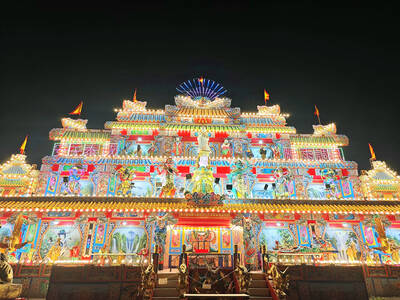
In the 2010s, the Communist Party of China (CCP) began cracking down on Christian churches. Media reports said at the time that various versions of Protestant Christianity were likely the fastest growing religions in the People’s Republic of China (PRC). The crackdown was part of a campaign that in turn was part of a larger movement to bring religion under party control. For the Protestant churches, “the government’s aim has been to force all churches into the state-controlled organization,” according to a 2023 article in Christianity Today. That piece was centered on Wang Yi (王怡), the fiery, charismatic pastor of the


 RSS
RSS