


Restaurants serving “Americanized” sushi are relatively rare in Taiwan. Sumi Sushi, which opened seven months ago, fills the gap with a casual atmosphere and reasonable prices for diners craving sushi made with ingredients like cream cheese, smoked salmon and avocado.
The restaurant, in Taipei’s East District (東區), is run by a Taiwanese couple who once lived in Vancouver, where they owned a similar restaurant. The tiny space consists of just a sushi bar and a handful of seats, so reservations are recommended if you plan to arrive during peak dining hours on Friday or Saturday.
The difference between the sushi served in many US and Canadian restaurants and Sumi’s versions are smaller sizes and a lighter touch with condiments like mayonnaise or hot sauce. The rolls are artfully made with a careful balance of fresh ingredients and the portions will leave you satisfied, not stuffed.
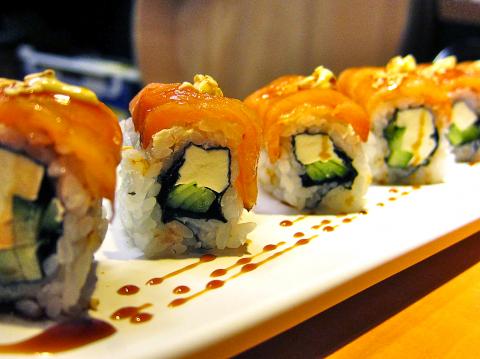
Photo: Catherine Shu, Taipei Times
Sumi’s spicy tuna roll (NT$160) is a bit different from the usual version. Instead of being chopped up and mixed with mayonnaise and chili sauce, the restaurant wraps up slices of the tuna with sushi rice, sprinkles it with homemade chili sauce and covers it in mounds of crispy green onion slices. I missed the indulgence of the mayo, but Sumi’s version is piquant without being overwhelmingly so. The roll is served with a bit of extra hot sauce for dipping if you want a nostril-clearing level of piquancy. Sumi’s tasty spicy scallop roll is made in a similar fashion, but sprinkled with a little tobiko (flying fish roe) instead of the green onions.
The classic California roll (NT$120) is made with imitation crab, cucumber and avocado. The combination of ingredients is balanced well and no flavor or texture, even the sweet imitation crab, overwhelmed the others. When topped with various slices of sashimi, the California roll becomes the rainbow roll (NT$250). I preferred both to the Alaska roll (NT$180), which is made with slices of fluffy tamagoyaki (a sweet omelet), imitation crab, cucumber and smoked salmon. It wasn’t bad, but had less flavor than the California or avocado rolls and it was hard to appreciate the smoked salmon through the tamagoyaki.
On our server’s recommendation, we ordered a spider roll (NT$300). The deep-fried soft shell crab had a light, crunchy coating of batter and wasn’t greasy. It was complemented with an ample portion of avocado, a few thin slices of cucumber that set off the richness of the other ingredients and a sprinkling of sesame seeds and kabayaki sauce (a slightly sweet condiment made with soy sauce). The spider roll comes with only five pieces, but they are large and two have big, meaty crab claws sticking out of them.
Cream cheese lovers will like the Philadelphia roll (NT$180), which is made with plenty of the main ingredient rolled up with cucumber and topped with smoked salmon slices that are lushly flavored without being too salty. If I had to choose one cream cheese roll, however, I would go with the deep fry roll (NT$200), which also features boneless slices of tender fried eel and cucumber. Even if you aren’t usually a fan of eel, the yummy combination of flavors is worth a try.
Sumi Sushi also serves classic maki and nigiri rolls and has a small selection of sake and imported beer. Weekday lunch specials range from NT$150 to NT$200.

Taiwan’s English education system is being pulled apart by three opposing forces. Bilingual Nation 2030 pulls students toward English and global communication. Artificial Intelligence (AI) readiness pulls them toward digital judgment, verification and AI-mediated work. But Taiwan’s old exam culture pulls them back toward memorization, grammar drills, timed reading and correct answers. If the education system keeps using old exams to define success, it risks producing graduates who are neither genuinely bilingual nor genuinely AI-ready, but trained for tasks machines can already perform. The first force is Bilingual Nation 2030. Launched in 2018, the policy aimed to “help Taiwan’s workforce connect
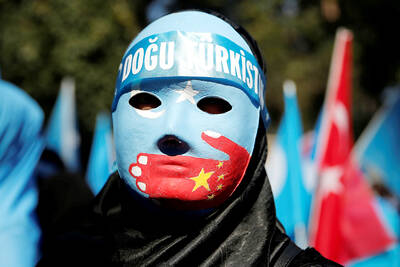
It seems every few days one bumps into one of those “real man” comments in which Taiwan is urged to “face reality” or similar, and “make a deal,” with the speaker implying that soon it will be too late. “Deal” advocates always present themselves as having a superior grip on reality, and the manly ability to make the “hard choice.” Their testosterone-laden language often echoes that of Taiwan sellout advocates. Note that such commentary always specifies a process (“make a deal, work with, make progress”), never the end state of what occupation by a violent authoritarian colonialist state will entail. In
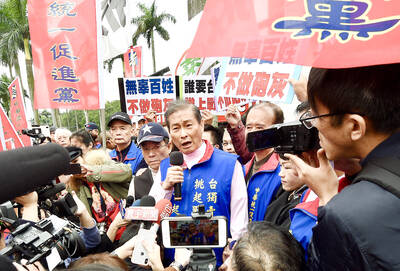
There are shadowy cabals plotting to sell out Taiwan to be annexed by China, by invasion if necessary. Fortunately, they are buffoons. In 2019, former Bamboo Union gangster and founder of the China Unification Promotion Party (CUPP), Chang An-le (張安樂, colorfully known as “White Wolf”), led a protest at the Legislative Yuan against comments made by then-premier Su Tseng-chang (蘇貞昌) that in the event of an attack by China, he would never surrender, but would protect the nation by fighting to the end, even if he only had a broom. Chang had party members bring a wooden casket that they
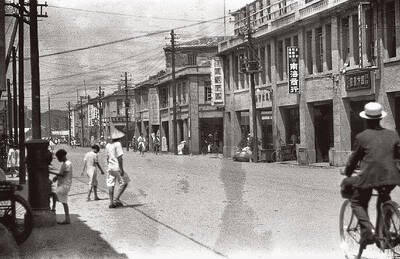
June 1 to June 7 "If all Taiwanese were as afraid of dying as you, then what would happen?” Physician Shih Chiang-nan (施江南) reportedly said this to his wife Chen Chiao-tung (陳焦桐) after she urged him to stop intervening on behalf of Taiwanese soldiers stranded overseas after serving in the Japanese Army during World War II. Shih had clashed with high-ranking officials over the issue, engaged in several heated arguments with Taiwan governor-general Chen Yi (陳儀) and allegedly shouted at general Ko Yuan-fen (柯遠芬), chief of staff of the Taiwan Garrison Command, over


 RSS
RSS