


Olife (呷飯店) is one of the few vegetarian restaurants in the area around Shida Road, with all its dishes prepared from organic ingredients. But its real appeal comes from the interior’s peaceful ambiance. Traditional Chinese carved wooden screens split the dining area into nooks without making it seem claustrophobic. On one visit, we saw a table set up for a tea ceremony with ceramic cups; on another, sitting next to us was a woman curled up with a book and mug of tea in a booth with tatami seating.
Olife’s extensive menu consists mostly of noodle, rice and soup dishes. The Korean-style kimchi bibimpab (韓式泡菜石鍋飯, NT$130) was served sizzling in a hot stone bowl. The white rice was topped with kimchi, bok choy, bean sprouts, pepper, julienned carrot, savory dried seaweed sprinkled with toasted sesame seeds and vegetarian “pork” made from tofu. The mix of flavors (the crispy veggies, juicy bok choy, the crunchy rice “crust” at the bottom of the bowl) combined with the sweat-inducing spiciness of the kimchi, made the bibimpab one of the best dishes we had at Olife.
Lovers of spicy food will
get a culinary kick out of the mala stinky tofu hot pot (麻辣臭豆腐鍋, NT$130).
The pot contains, in addition to the tofu, glass noodles, watercress (a favorite topping at Olife), carrot and enokitake mushrooms.
The stinky tofu was not as gloriously pungent as it could have been, but the large cubes soaked up the very piquant mala broth like sponges.
Some of the more unusual dishes on Olife’s menu include their series of yaoshan (藥膳) food, including noodles, a hot pot and soup. Yaoshan literally means “medicine meal” and is prepared with plants used in traditional Chinese medicine, including anise seedpods, ginseng, goji berries, dried dates and ginger. The yaoshan noodle soup (藥膳湯麵, NT$130) consisted of the latter three ingredients and thick white noodles, as well as chopped white cabbage, tender pumpkin slices and “pig’s blood cake” (豬血糕), which was actually made from seaweed and white rice. Yaoshan food supposedly strengthens the body’s immune system during winter, and the broth itself was, as expected, mildly medicinal tasting with a slightly bittersweet flavor.
A simpler comfort food is the sesame sauce cold noodles (麻醬香拌麵, NT$80). Olife’s version of this classic dish is a winner. The sauce, made from ground sesame seeds mixed with sesame oil, soy sauce, vinegar and a little bit of garlic and brown sugar, was wonderfully thick and tasted a little bit like a sweeter, more delicate version of peanut butter. Slices of bean curd tofu, julienned carrot, bok choy and the ubiquitous watercress also topped the
al dente noodles.
Olife started as a chain of teahouses 20 years ago and the Shida restaurant is connected to a drink stand that serves the standard assortment of bubble milk teas, blended juices and iced coffees. Fresh ingredients and Olife’s relatively light hand with sweeteners, however, make the beverages stand out from nearby competitors. Try Olife’s grass jelly (仙草) drinks, made with real grass jelly extract (unlike the artificial flavoring used at many other stores).

Taiwan’s English education system is being pulled apart by three opposing forces. Bilingual Nation 2030 pulls students toward English and global communication. Artificial Intelligence (AI) readiness pulls them toward digital judgment, verification and AI-mediated work. But Taiwan’s old exam culture pulls them back toward memorization, grammar drills, timed reading and correct answers. If the education system keeps using old exams to define success, it risks producing graduates who are neither genuinely bilingual nor genuinely AI-ready, but trained for tasks machines can already perform. The first force is Bilingual Nation 2030. Launched in 2018, the policy aimed to “help Taiwan’s workforce connect
It seems every few days one bumps into one of those “real man” comments in which Taiwan is urged to “face reality” or similar, and “make a deal,” with the speaker implying that soon it will be too late. “Deal” advocates always present themselves as having a superior grip on reality, and the manly ability to make the “hard choice.” Their testosterone-laden language often echoes that of Taiwan sellout advocates. Note that such commentary always specifies a process (“make a deal, work with, make progress”), never the end state of what occupation by a violent authoritarian colonialist state will entail. In
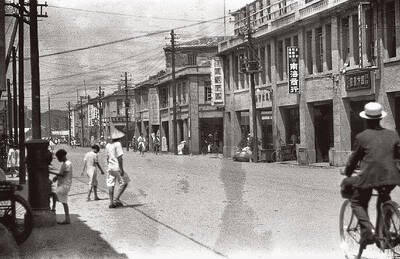
June 1 to June 7 "If all Taiwanese were as afraid of dying as you, then what would happen?” Physician Shih Chiang-nan (施江南) reportedly said this to his wife Chen Chiao-tung (陳焦桐) after she urged him to stop intervening on behalf of Taiwanese soldiers stranded overseas after serving in the Japanese Army during World War II. Shih had clashed with high-ranking officials over the issue, engaged in several heated arguments with Taiwan governor-general Chen Yi (陳儀) and allegedly shouted at general Ko Yuan-fen (柯遠芬), chief of staff of the Taiwan Garrison Command, over

“Taiwan’s Opposition Leader Comes to US With a Message Straight Out of Beijing” read a May 31 headline in the Wall Street Journal. Top US administration officials and members of Congress almost certainly read the WSJ, and if there was a bullet point takeaway that people in Washington should absorb ahead of Chinese Nationalist Party (KMT) Chair Cheng Li-wun’s (鄭麗文) arrival in DC on June 9, that headline is it. The last few columns have discussed this very topic, and the timing is not coincidental. While those top officials likely do not read the Taipei Times, judging by the number


 RSS
RSS