


Taiwan's ever-popular timpani ensemble, Ju Percussion (朱宗慶打擊樂團), will be stepping out on its 2002 winter tour this weekend, when the ensemble brings its latest drum and vibraphone-loaded creation, Stained Glass (彩繪玻璃) to the capital's National Concert Hall (國家音樂廳) in the first of a series of nationwide performances.
Since its founding in 1986, the 12-piece ensemble has become a household name not only in Taiwan but also on the international scene, having held numerous performances throughout the US and Europe. While performing upwards of 100 concerts annually in Taiwan, the combo's repertoire of hard banging members is always surprisingly fresh. Be it jazz-laden vibes, re-workings of classical Chinese tunes, folk songs or children's music, Ju Percussion's creativity never ceases to delight its audiences.
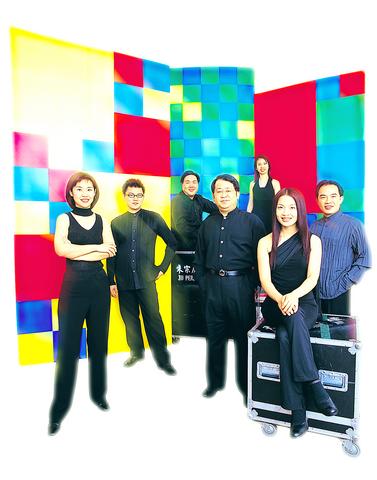
PHOTO COURTESY OF JU PERCUSSION
For this year's Winter Concert series, the percussionists have selected a program that is, according to a spokesperson for the ensemble, both interesting and stylish. Along with David Gillingham's piece, Stained Glass, the ensemble will be banging its way through arrangements which include popular timpani tunes such as Brian Mason's Children of Sanchez, Michael Burritt's Doomsday Machine and Srdan Dedic's At the Party. The highlights of the season, however, are the world premieres of Taiwan composer Hung Chung-Kun's (洪崇焜) latest piece, Interaction (互動) and Three Movements for Two Marimbas (為雙木琴的三個樂章) by Hong Kong arranger Chung Yiu-Kwong (鍾耀光).
Ju Percussion will be banging nationwide from this coming Sunday at Taipei's National Concert Hall (國家音樂廳). From there the combo moves on to Taichung's Chunghsing Hall (中興堂) on Wednesday, Dec. 4, followed by the Hsinchu City Cultural Center (新竹市立演藝廳) on Friday, Dec. 13. The tour will conclude at the Tainan Arts Center (台南市立藝術中心演藝廳) on Wednesday, Dec. 18. All performances begin at 7:30pm and tickets for all shows cost between NT$300 and NT$800 and are available through Acer ticketing outlets nationwide, or direct from the venues.

Taiwan’s English education system is being pulled apart by three opposing forces. Bilingual Nation 2030 pulls students toward English and global communication. Artificial Intelligence (AI) readiness pulls them toward digital judgment, verification and AI-mediated work. But Taiwan’s old exam culture pulls them back toward memorization, grammar drills, timed reading and correct answers. If the education system keeps using old exams to define success, it risks producing graduates who are neither genuinely bilingual nor genuinely AI-ready, but trained for tasks machines can already perform. The first force is Bilingual Nation 2030. Launched in 2018, the policy aimed to “help Taiwan’s workforce connect
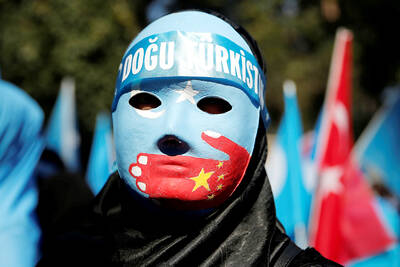
It seems every few days one bumps into one of those “real man” comments in which Taiwan is urged to “face reality” or similar, and “make a deal,” with the speaker implying that soon it will be too late. “Deal” advocates always present themselves as having a superior grip on reality, and the manly ability to make the “hard choice.” Their testosterone-laden language often echoes that of Taiwan sellout advocates. Note that such commentary always specifies a process (“make a deal, work with, make progress”), never the end state of what occupation by a violent authoritarian colonialist state will entail. In
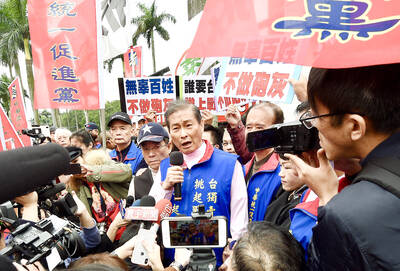
There are shadowy cabals plotting to sell out Taiwan to be annexed by China, by invasion if necessary. Fortunately, they are buffoons. In 2019, former Bamboo Union gangster and founder of the China Unification Promotion Party (CUPP), Chang An-le (張安樂, colorfully known as “White Wolf”), led a protest at the Legislative Yuan against comments made by then-premier Su Tseng-chang (蘇貞昌) that in the event of an attack by China, he would never surrender, but would protect the nation by fighting to the end, even if he only had a broom. Chang had party members bring a wooden casket that they
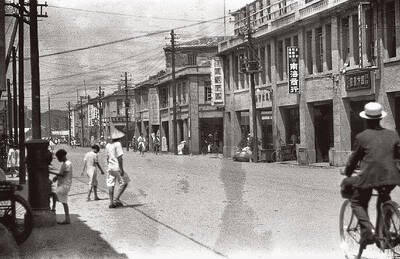
June 1 to June 7 "If all Taiwanese were as afraid of dying as you, then what would happen?” Physician Shih Chiang-nan (施江南) reportedly said this to his wife Chen Chiao-tung (陳焦桐) after she urged him to stop intervening on behalf of Taiwanese soldiers stranded overseas after serving in the Japanese Army during World War II. Shih had clashed with high-ranking officials over the issue, engaged in several heated arguments with Taiwan governor-general Chen Yi (陳儀) and allegedly shouted at general Ko Yuan-fen (柯遠芬), chief of staff of the Taiwan Garrison Command, over


 RSS
RSS