


On stage, Ayu Huang
That's very much the feeling one gets having lunch at his Muma Cafe: Italian bread, soup, main course, coffee and tiramisu in a comfy European-style bistro, costing less than NT$400.
Muma, meaning "rocking horse" in Chinese, is a small bistro with a very classic design: French windows, a dark wooden bar and tables, a wine rack and a refrigerator displaying cakes and bottles of champagne. But for Huang, Muma also has a postmodern twist. The wall is painted red and green. The service is simple and easy-going. And last month, for a private party, there were Aboriginal singers performing with a Nakashi ensemble.
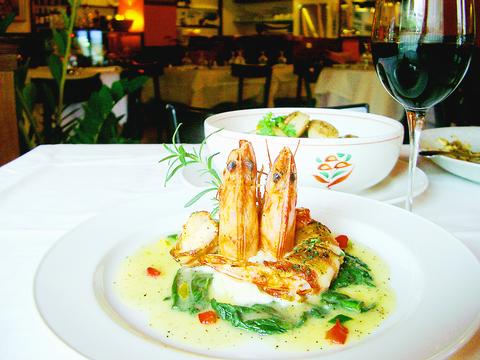
PHOTO: YU SEN-LUN, TAIPEI TIMES
Huang's own recommendation at Muma is linguini with seafood in tomato sauce. It's a simple pasta dish, "but the rich tomato sauce and the sweetness from the fresh seafood make it different," Huang said. Other recommendations include roasted baby chicken with penne pasta and pan-fried snapper with garlic-chili sauce. All cost NT$280 as a lunch set menu.
Also inexpensive is the wine list. Quality wines cost from NT$900 to NT$1500, personally selected by Huang, who has been a lover of red wines for more than 10 years.
Muma's chef, Ruan Kuo-wei
Huang is very conscious about creating a relaxed environment, just like dining in a restaurant in Italy. As a musician, he is particularly choosy about the music. There is tango, lounge music and jazz. In future, Huang says there will be a small ensemble playing traditional Latin music.
"I'd like to run this restaurant like running a pub; with has a scene, a vibe and life stories," Huang said. For him, developing a restaurant atmosphere means "gathering groups of people to come here as a regular hang-out, [where] people eat, drink, talk, and maybe dance along with the tango music. "It takes time to grow, but I'm ready to create such a place," said Huang.

Taiwan’s English education system is being pulled apart by three opposing forces. Bilingual Nation 2030 pulls students toward English and global communication. Artificial Intelligence (AI) readiness pulls them toward digital judgment, verification and AI-mediated work. But Taiwan’s old exam culture pulls them back toward memorization, grammar drills, timed reading and correct answers. If the education system keeps using old exams to define success, it risks producing graduates who are neither genuinely bilingual nor genuinely AI-ready, but trained for tasks machines can already perform. The first force is Bilingual Nation 2030. Launched in 2018, the policy aimed to “help Taiwan’s workforce connect
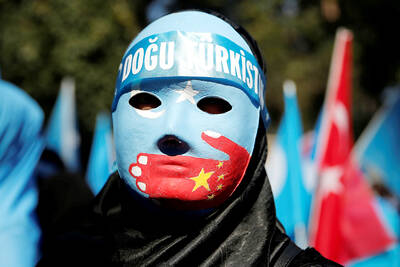
It seems every few days one bumps into one of those “real man” comments in which Taiwan is urged to “face reality” or similar, and “make a deal,” with the speaker implying that soon it will be too late. “Deal” advocates always present themselves as having a superior grip on reality, and the manly ability to make the “hard choice.” Their testosterone-laden language often echoes that of Taiwan sellout advocates. Note that such commentary always specifies a process (“make a deal, work with, make progress”), never the end state of what occupation by a violent authoritarian colonialist state will entail. In
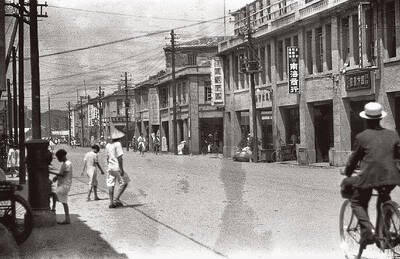
June 1 to June 7 "If all Taiwanese were as afraid of dying as you, then what would happen?” Physician Shih Chiang-nan (施江南) reportedly said this to his wife Chen Chiao-tung (陳焦桐) after she urged him to stop intervening on behalf of Taiwanese soldiers stranded overseas after serving in the Japanese Army during World War II. Shih had clashed with high-ranking officials over the issue, engaged in several heated arguments with Taiwan governor-general Chen Yi (陳儀) and allegedly shouted at general Ko Yuan-fen (柯遠芬), chief of staff of the Taiwan Garrison Command, over
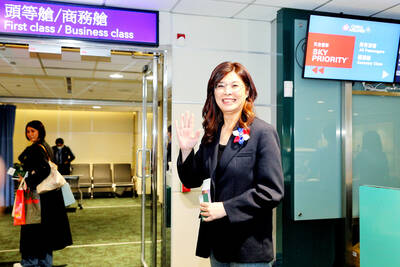
“Taiwan’s Opposition Leader Comes to US With a Message Straight Out of Beijing” read a May 31 headline in the Wall Street Journal. Top US administration officials and members of Congress almost certainly read the WSJ, and if there was a bullet point takeaway that people in Washington should absorb ahead of Chinese Nationalist Party (KMT) Chair Cheng Li-wun’s (鄭麗文) arrival in DC on June 9, that headline is it. The last few columns have discussed this very topic, and the timing is not coincidental. While those top officials likely do not read the Taipei Times, judging by the number


 RSS
RSS