


Ceramic art as the base for mixed media creations is all the rave in the arts world
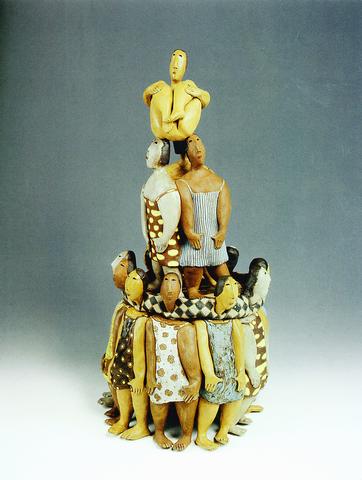
Pots and vases no longer dominate ceramic art, which now go beyond conventional functional and aesthetic concerns. The long-running Biennial Exhibition of Ceramic Art, which this year has invited international artists to exhibit for the first time, is a showcase of the diversity of conception and design that has taken root in ceramic art in recent years.
Judging from the exhibits at this show, the use of ceramic art as the base for mixed media creations has clearly gained considerable popularity among artists.
COURTESY OF TSENG YUNG-HONG
Among the 70 local pieces on display, ingenious designs abound. A needle on a round metal clock face is installed at the top of a ceramic boat. A semi-abstract standing figure has a ceramic body covered with hieroglyphic symbols. The lower part of the body is created from iron bars and chains. It has a human face with hair made of bolts inserted at the top of a ceramic mask.
The museum's curator, Chen Chia-ling (
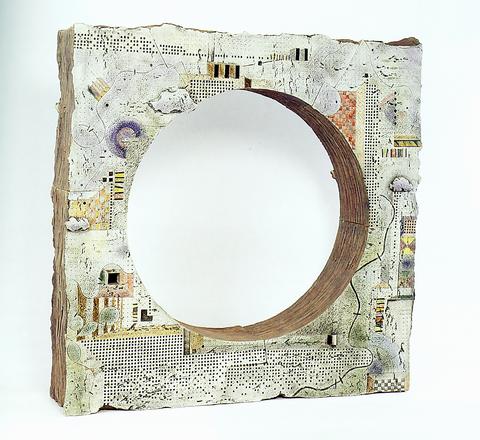
Of the 70 local exhibits, three are prizewinners from the preliminary competition. First prize winner Deng Hui-feng (
COURTESY OF DENG HUI-FENG
Second prize winner Shi Xuan-yu (
His message that "the intrinsic [nature] of things never changes, only the viewpoints do" may need some reflection before viewers are able to associate it with this work. The third prize piece is made up of hand-molded figures based on the Yami Aboriginal people. They are depicted swimming among fish, a eulogy to the ocean.
The addition of contributions from overseas is a first this year. The National Museum of History invited sister museums abroad to recommend artists to participate in the show. There are 17 works on view at the show from countries such as Costa Rica, Spain and South Africa.
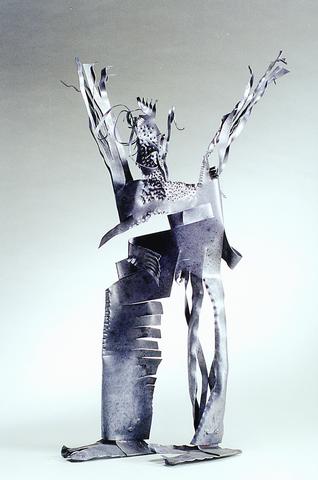
With each country exhibiting only one piece in the international category, Chen said the aim of including these works was to provide local artists with the opportunity to appreciate the regional flavor of works from around the world.A sheet copper sculpture exhibit is raising eyebrows among traditionalistsTired of sculpture that uses traditional aesthetics designed to please instead of challenging the eye? Then Hsia Yang's (
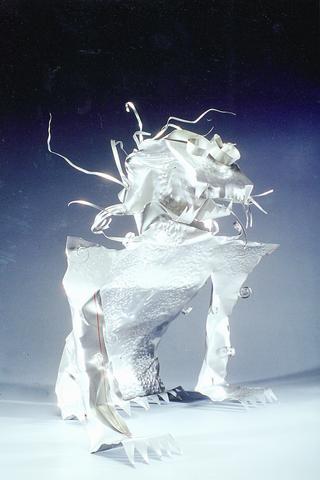
Hsia's figures are mostly made from copper, although there are also a few in aluminum and stainless steel. Widely dubbed "hairy people," these figures, produced over the last two years, have a funky and whimsical quality. It is almost as if they are cartoon creatures who, run over by a car, try to survive with their flattened body and frizzling, unkempt hair.
"It's fun," Hsia says, who has discarded the more obscure and solemn aspect that his "hairy people" figures had when he first created them on canvas.
COURTESY OF CHERNG PIIN GALLERY
Now he wants to be playful with art.
He uses his electric scissors, cutting here and there, making up his figures from torn pieces of metal. Although he intends to be a bit satiric about humans, he says, "Try not to be too serious. Relax and have fun."
To make the show more alive, some props have been added. Beach sand has been brought in to cushion the sculptural figure titled The Woman on the Beach (2000). The Street Dancer (2000) is placed on a rotating wheel so you see the dancer constantly circling, and The Parachutist (1999) hangs from the blue-painted ceiling.
Hsia's shift from painter to sculptor came about almost by accident.
While living in New York and Paris, he had to do some repair work to make a living. One day when fixing an electric fan, he was struck by the creative potential of the aluminum blades and started to make a small figure from one. This was the inspiration for his subsequent sculptural figures in metal. Hsia started to use electric scissors extensively in his work, cutting metal sheets into strips and bending or twisting them to make up his designs.
Not many local painters dare to venture into the more dynamic world of sculpture. Huang Ming-tse (
Though of smaller size, his metal "hairy people" are eye-opening with their distorted, humorous look.
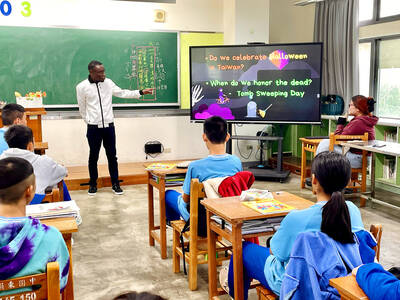
For many people, Bilingual Nation 2030 begins and ends in the classroom. Since the policy was launched in 2018, the debate has centered on students, teachers and the pressure placed on schools. Yet the policy was never solely about English education. The government’s official plan also calls for bilingualization in Taiwan’s government services, laws and regulations, and living environment. The goal is to make Taiwan more inclusive and accessible to international enterprises and talent and better prepared for global economic and trade conditions. After eight years, that grand vision is due for a pulse check. RULES THAT CAN BE READ For Harper Chen (陳虹宇), an adviser
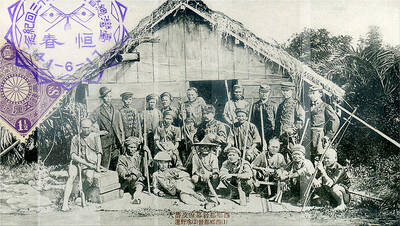
Traditionally, indigenous people in Taiwan’s mountains practice swidden cultivation, or “slash and burn” agriculture, a practice common in human history. According to a 2016 research article in the International Journal of Environmental Sustainability, among the Atayal people, this began with a search for suitable forested slopeland. The trees are burnt for fertilizer and the land cleared of stones. The stones and wood are then piled up to make fences, while both dead and standing trees are retained on the plot. The fences are used to grow climbing crops like squash and beans. The plot itself supports farming for three years.
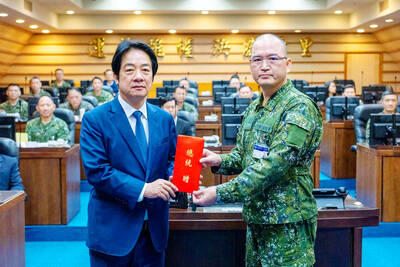
President William Lai (賴清德) on Nov. 25 last year announced in a Washington Post op-ed that “my government will introduce a historic US$40 billion supplementary defense budget, an investment that underscores our commitment to defending Taiwan’s democracy.” Lai promised “significant new arms acquisitions from the United States” and to “invest in cutting-edge technologies and expand Taiwan’s defense industrial base,” to “bolster deterrence by inserting greater costs and uncertainties into Beijing’s decision-making on the use of force.” Announcing it in the Washington Post was a strategic gamble, both geopolitically and domestically, with Taiwan’s international credibility at stake. But Lai’s message was exactly
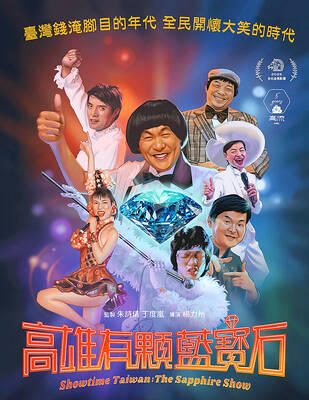
May 4 to May 10 It was once said that if you hadn’t performed at the Sapphire Grand Cabaret (藍寶石大歌廳), you couldn’t truly be considered a star. Taking the stage at the legendary Kaohsiung club was more than just a concert. Performers were expected to entertain in every sense, wearing outlandish or revealing costumes and staying quick on their feet as sharp-tongued, over-the-top hosts asked questions and delivered jokes that would be seen as vulgar, even offensive, by today’s standards. Opening in May 1967 during a period of strict political and social control, Sapphire offered a rare outlet for audiences in


 RSS
RSS