


The fast-moving conflict across the Middle East is heightening investor anxiety and strengthening the case for safe haven trades such as US Treasuries, gold and the Swiss franc.
Macro traders said that all eyes would be on energy markets when trading fully reopens today, with early indications of volatility also expected when the US dollar and other currencies start to trade in Australia.
The possibility of prolonged turmoil in the Middle East and the ripple effects of higher oil prices are giving money managers fresh reasons to sell equities and shift into safety.
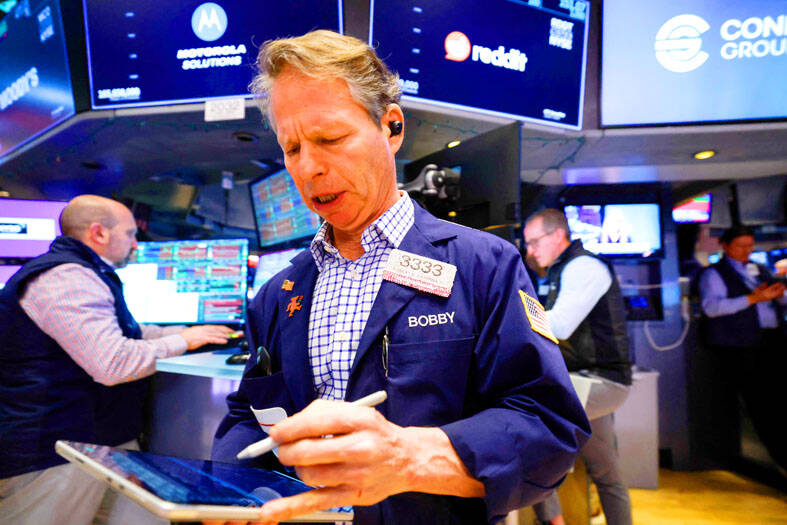
Photo: AFP
Traders would be adopting the strategy of “haven first, ask questions later,” Natixis SA US rates strategy head John Briggs said.
“The scale of the attacks and Iranian retaliation is larger than what the market expected,” he said.
Treasuries are likely to extend moves from Friday, when short-term yields sank to levels last seen in 2022, Briggs said.
Others are watching energy chokepoints.
Roundhill Financial Inc CEO Dave Mazza said that he is closely tracking what happens to traffic at the Strait of Hormuz, a narrow waterway handling about one-quarter of the world’s seaborne oil trade.
“This is about Hormuz risk, not retaliation. If shipping stays open, stocks can work through it,” he said. “If it doesn’t, all bets are off.”
Rich valuations across global equities and credit also make it easier for investors to trim risk, Columbia Threadneedle Investments portfolio manager Ed al-Hussainy said.
Markets have already been on edge over shifting US tariff policy, the disruption from artificial intelligence and stresses tied to private credit.
“The extent of the de-risking is anyone’s guess,” al-Hussainy said.
Saudi Arabia’s Tadawul All Share Index opened almost 5 percent lower before paring most of that decline in trading yesterday.
Meanwhile, bitcoin recovered and was trading at about US$68,000. Put options on the cryptocurrency worth US$1.87 billion were concentrated at the US$60,000 level on Deribit, signaling persistent demand for downside protection.
Anxiety over the looming military action had started to filter into markets on Friday. Brent crude closed at the highest price since July last year, while the S&P 500 lost 0.4 percent on the day, capping its biggest monthly loss since March last year.
Strategists at Barclays PLC warned against quickly buying any dip. Investors have grown accustomed to geopolitical flare-ups that fade fast, but this episode risks lasting longer, Barclays global chairman of research Ajay Rajadhyaksha said, citing the potential for US casualties, strikes on Iranian leadership and disruption to Hormuz traffic.
“The risk-reward doesn’t seem compelling,” he said. “If equities pull back enough [say more than 10 percent in the S&P 500], there is likely to come a time to buy, but not yet.”
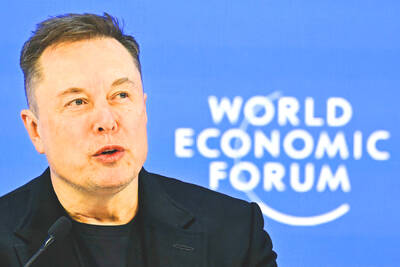
Elon Musk’s lieutenants have reached out to chip industry suppliers, including Applied Materials Inc, Tokyo Electron Ltd and Lam Research Corp, for his envisioned Terafab, early steps in an audacious and likely arduous attempt to break into the production of cutting-edge chips. Staff working for the joint venture between Tesla Inc and Space Exploration Technologies Corp (SpaceX) have sought price quotes and delivery times for an array of chipmaking gear, people familiar with the matter said. In past weeks, they’ve contacted makers of photomasks, substrates, etchers, depositors, cleaning devices, testers and other tools, according to the people, who asked not to
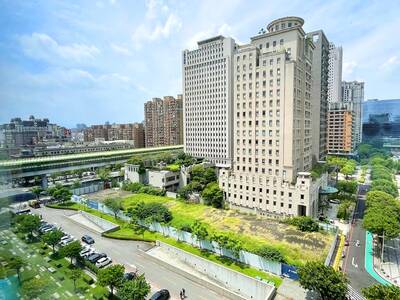
Taichung reported the steepest fall in completed home prices among the six special municipalities in the first quarter of this year, data compiled by Taiwan Realty Co (台灣房屋) showed yesterday. From January through last month, the average transaction price for completed homes in Taichung fell 8 percent from a year earlier to NT$299,000 (US$9,483) per ping (3.3m²), said Taiwan Realty, which compiled the data based on the government’s price registration platform. The decline could be attributed to many home buyers choosing relatively affordable used homes to live in themselves, instead of newly built homes in the city’s prime property market, Taiwan Realty
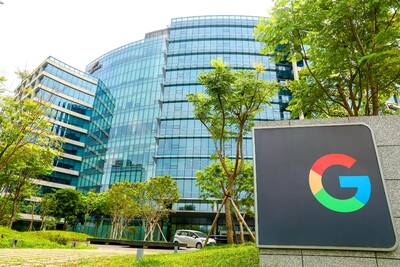
The government yesterday approved applications by Alphabet Inc’s Google to invest NT$27.08 billion (US$859.98 million) in Taiwan, the Ministry of Economic Affairs said in a statement. The Department of Investment Review approved two investments proposed by Google, with much of the funds to be used for data processing and electronic information supply services, as well as inventory procurement businesses in the semiconductor field, the ministry said. It marks the second consecutive year that Google has applied to increase its investment in Taiwan. Google plans to infuse NT$25.34 billion into Charter Investments Ltd (特許投資顧問) through its Singapore-based subsidiary Fructan Holdings Singapore Pte Ltd, and

JET JUICE: The war on Iran’s secondary effects have seen fuel prices skyrocket, knocking flight schedules down to earth in return as airlines struggle with costs Airline passengers should brace for more irritation in the next few months as carriers worldwide cancel flights and ground planes to cope with stratospheric increases in jet-fuel prices. Dutch flag carrier KLM is the latest company to cut its schedule, saying on Thursday that it would scrap 80 return flights at Amsterdam’s Schiphol Airport in the coming month. That puts it in the same league as United Airlines Holdings Inc, Deutsche Lufthansa AG and Cathay Pacific Airways Ltd, which have all pruned itineraries to mitigate costs. Global capacity for next month has been reduced by about 3 percentage points, with all


 RSS
RSS