


Largan Precision Co (大立光), a major handset camera lens supplier for Apple Inc’s iPhones, yesterday reported a 22.4 percent year-on-year decline in net profit for last quarter and forecast further shipment weakness this month as the industry enters its traditional slow season.
Net profit in the fourth quarter of last year decreased to NT$6.73 billion (US$213.18 million) from NT$8.97 billion a year earlier, the company said.
The figure fell 5 percent from NT$7.08 billion in the third quarter, it added.
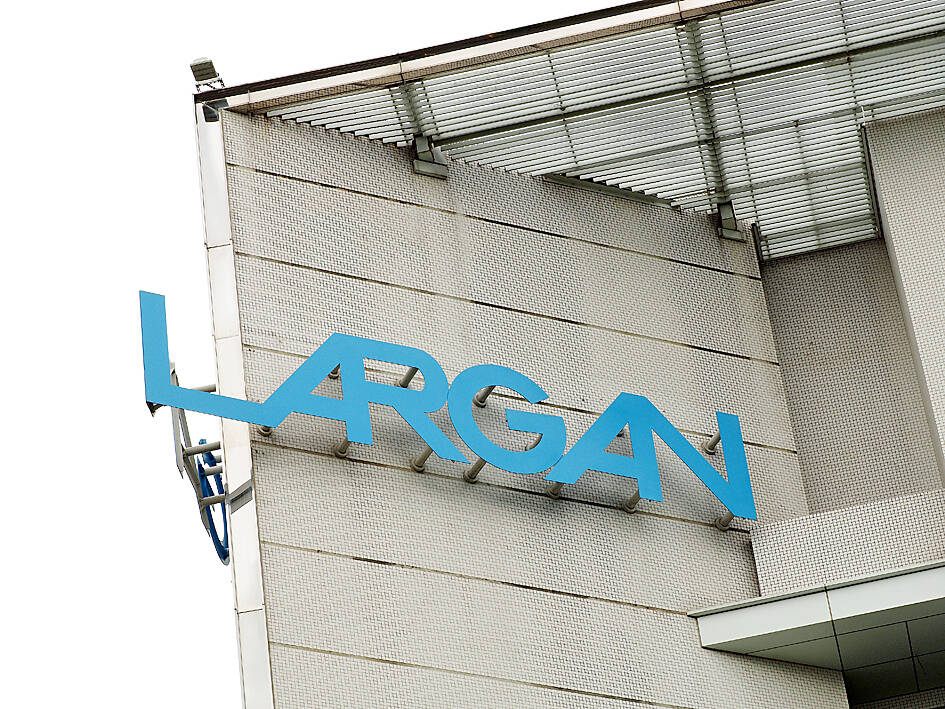
Photo: EPA
Earnings per share slumped to NT$50.4 from NT$65.01 a year earlier and NT$53.05 the previous quarter, it said.
Gross margin last quarter stood at 47.75 percent, improving from 47.2 percent the prior quarter, but down from 59.08 percent from a year earlier due to inventory write-downs, Largan chairman Adam Lin (林恩平) told an investors’ conference.
The company typically builds extra inventory to meet front-loading by clients, but excess stock accumulated over time gets scrapped, weighing on margins, Lin said.
Gross margin could rebound this quarter, as general yield rates and prices have stabilized, but the factory utilization rate remains below the normal level due to seasonal factors, he said.
Revenue this month is expected to be lower than last month’s NT$5.62 billion, and revenue next month is also projected to decline further from this month, as the new year holiday would cut short the number of business days, he added.
Regarding market speculation that Largan is working with Taiwan Semiconductor Manufacturing Co (台積電) on copackaged optics (CPO) technology to supply collimated diameter components, and that Largan has been planning production lines related to CPO, Lin said the company’s research and development covers a wide range of optical lenses, adding that Largan would pursue any technology related to optics.
The company would disclose whether it plans to add new production lines for CPO once production proves viable, he said.
Largan plans to begin shipping its first batch of variable-aperture products in the third quarter of this year, Lin said.
While pricing appears more favorable, yield rates remain uncertain, and whether the products could help improve margins remains to be seen, he said.
This year, Largan would not produce more lenses for ultra-thin smartphone models, as weak sales among leading brands have prompted other handset makers to withdraw such products from the market, Lin said, adding that the company plans to ship more lenses for foldable smartphones toward the end of this year.
A surge in memory prices would add pressure on handset makers, but brands would continue to upgrade lens specifications, offering support to Largan’s business, he said.
Regarding shipments of Largan’s newly developed high-precision visual recognition products for humanoid service robots and artificial intelligence glasses, Lin said development of the products is progressing and shipments have begun, but volumes remain small.

SECOND-RATE: Models distilled from US products do not perform the same as the original and undo measures that ensure the systems are neutral, the US’ cable said The US Department of State has ordered a global push to bring attention to what it said are widespread efforts by Chinese companies, including artificial intelligence (AI) start-up DeepSeek (深度求索), to steal intellectual property from US AI labs, according to a diplomatic cable. The cable, dated Friday and sent to diplomatic and consular posts around the world, instructs diplomatic staff to speak to their foreign counterparts about “concerns over adversaries’ extraction and distillation of US AI models.” Distillation is the process of training smaller AI models using output from larger, more expensive ones to lower the costs of training a powerful new

Singapore-based ride-hailing and delivery giant Grab Holdings’ planned acquisition of Foodpanda’s Taiwan operations has yet to enter the formal review stage, as regulators await supplementary documents, the Fair Trade Commission (FTC) said yesterday. Acting FTC Chairman Chen Chih-min (陳志民) told the legislature’s Economics Committee that although Grab submitted its application on March 27, the case has not been officially accepted because required materials remain incomplete. Once the filing is finalized, the FTC would launch a formal probe into the deal, focusing on issues such as cross-shareholding and potential restrictions on market competition, Chen told lawmakers. Grab last month announced that it would acquire
Shares of Taiwan Semiconductor Manufacturing Co (TSMC, 台積電) have repeatedly hit new highs, but an equity analyst said the stock’s valuation remains within a reasonable range and any pullback would likely be technical. The contract chipmaker’s historical price-to-earnings (P/E) ratio has ranged between 20 and 30, Cathay Futures Consultant Co (國泰證期) analyst Tsai Ming-han (蔡明翰) told Central News Agency. With market consensus projecting that TSMC would post earnings per share of about NT$100 (US$3.17) this year, supported by strong global demand for artificial intelligence (AI) applications, and the stock currently trading at a P/E ratio of below 25, Tsai said the valuation
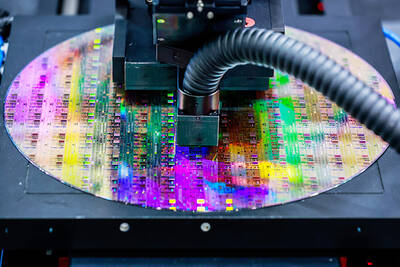
The artificial intelligence (AI) boom has triggered a seismic reshuffling of global equity markets, with Taiwan and South Korea muscling past European nations one by one. With its stock market now valued at nearly US$4.3 trillion, Taiwan surpassed the UK, Europe’s biggest market, earlier this month, data compiled by Bloomberg showed. South Korea is about US$140 billion away from doing the same. The tech-heavy Asian markets have shot past Germany and France in the past seven months. The shift is largely down to massive gains in shares of three companies that provide essential hardware for AI: Taiwan Semiconductor Manufacturing Co (TSMC, 台積電),


 RSS
RSS