


The global chip industry is poised for a significant rebound this year with sales expected to jump to a record level, fueled by a greater need for the electrical components from a broad range of businesses, according to a forecast from the Semiconductor Industry Association (SIA).
Worldwide sales declined 8.2 percent to US$526.8 billion last year, although the fall was mitigated by improving conditions in the second half of the year, the association said yesterday in a statement. The increasing momentum indicates sales will gain 13 percent this year to almost US$600 billion, the SIA said.
“Global semiconductor sales were sluggish early in 2023 but rebounded strongly during the second half of the year, a trend we expect to continue in 2024,” SIA president and chief executive officer John Neuffer said. “With chips playing a larger and more important role in countless products the world depends on, the long-term outlook for the semiconductor market is extremely strong.”
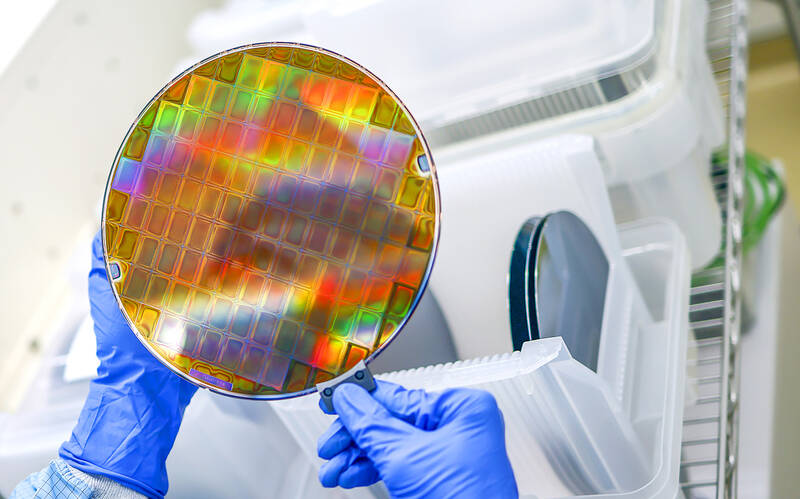
Photo: EPA
At the heart of the industry’s growth is Nvidia Corp, the most valuable chipmaker, which avoided the downturn with its market-leading artificial intelligence (AI) accelerators. Those chips are in high demand because they can handle the huge amounts of data that companies need to develop AI models.
Nvidia’s sales are projected to more than double to almost US$60 billion in the fiscal year that ended last month. Analysts project the company’s annual revenue will top US$90 billion by January 2025.
Investors are looking at the promise of future growth, particularly at chipmakers like Nvidia that they think will benefit from the boom in AI-related hardware spending. The Philadelphia Stock Exchange Semiconductor Index, which rallied 65 percent last year, was up 3.9 percent this year through Friday’s close.
Still, some of the industry’s largest companies had a difficult 2023 and posted steep declines in sales as customers cut back on orders while working through bloated inventory stockpiles. A few members of that group, including Intel Corp and Qualcomm Inc, are saying that markets are returning to normal buying patterns and the worst of the contractions are over.
According to Neuffer, the weak first half of last year was a “hangover” from the pandemic, when electronics makers struggled to get enough supply and faced unprecedented demand. That provoked many customers to order too much and find themselves caught in a glut when the economy returned to normal and purchases of devices such as personal computers slowed.
By region, Europe was the only area that posted growth last year as sales increased 4 percent. China and the Asia Pacific region posted the steepest declines, with China revenue, the biggest block of sales for the industry, down 14 percent. In the Americas, the market contracted 5.2 percent.


Taiwanese firms have increased investment in the Philippines in recent years as Manila’s ties with Washington deepen and global supply chains continue to shift away from China, an expert at the Chung-Hua Institution for Economic Research (CIER, 中華經濟研究院) said yesterday. The Philippines had not been among Taiwanese investors’ top choices in Southeast Asia, CIER Taiwan ASEAN Studies Center director Kristy Hsu (徐遵慈) said at a seminar in Taipei. However, Taiwan’s investment in the country has grown significantly since the COVID-19 pandemic, reaching US $257 million last year, a high in recent years, she said. Although Taiwan’s total investment in the Philippines still lags
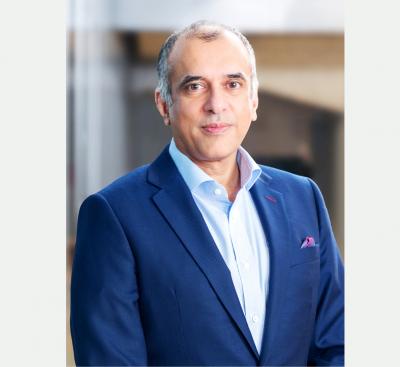
HSBC Holdings PLC is deepening its commitment to Taiwan as the economy emerges as one of the bank’s fastest-growing markets globally, driven by an artificial intelligence (AI) investment boom, expanding cross-border trade, and rising wealth creation. “The advantage that Taiwan has is a growth story linked to the semiconductor and broader AI industries, strong underlying corporate performance, and wealth creation,” said Surendra Rosha, HSBC’s co-chief executive for Asia and the Middle East, in an exclusive interview with the Taipei Times on June 2, during this year’s HSBC Taiwan Conference. That combination has helped HSBC cement its position as the most profitable international
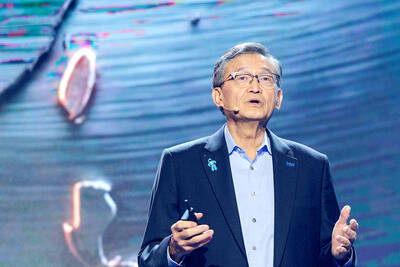
Intel Corp regards Taiwan Semiconductor Manufacturing Co (TSMC, 台積電) as a longstanding partner, as the US chipmaker would continue outsourcing production of advanced chips to TSMC, Intel chief executive officer Lip-Bu Tan (陳立武) said yesterday. “I don’t look at people as competitors. I look at the collaboration... Nvidia is also, you know, a good friend,” Tan told a news conference following his keynote speech at the Computex trade show in Taipei. “It’s a very trusted partnership for us... We are a big, top customer for them, and we’re going to continue doing that,” he said, referring to TSMC, the world’s largest foundry

Hon Hai Precision Industry Co (鴻海精密) yesterday said it would work with US chipmaker Intel Corp to jointly develop and deploy next-generation artificial intelligence (AI) infrastructure and intelligent computing platforms in a move to capture booming demand for AI computing systems. Hon Hai, also known as Foxconn Technology Group (富士康), said in a statement that the partnership would combine its global manufacturing scale, system integration expertise and AI data center deployment capabilities with Intel’s strengths in processor architecture, silicon technologies and software ecosystem. The companies said they plan to work on equipment used in AI data centers, including server racks powered by


 RSS
RSS