


Microsoft Corp is out to use Windows software to do for altered reality what it did for PCs: make them commonplace.
The US technology giant yesterday announced that Windows software already powering a wide range of devices, including HoloLens augmented reality headgear, is being opened to partners interested in building devices for “mixed reality” experiences.
Devices built on the Windows platform would be interoperable, meaning that someone wearing HTC Corp’s (宏達電) Vive virtual reality gear would be able to virtually visit and collaborate with someone using HoloLens virtual reality goggles, Microsoft executives said.
The list of partners already working with Microsoft included HTC, Lenovo Group Ltd (聯想), Asustek Computer Inc (華碩) and HP Inc.
Microsoft said it built HoloLens to showcase the potential for the technology, which is based on the same Windows operating system that powers computers, smartphones, Xbox consoles and more.
Sharing the Windows platform would mean that augmented or virtual reality gear from various manufacturers would be able to work with one another, the same way Windows computers do.
“We are bringing the software that lights up HoloLens to the entire ecosystem of mixed reality devices — and inviting partners to join us in this platform,” Microsoft spokesman Greg Sullivan said.
While virtual reality devices such as those from Facebook Inc-owned Oculus VR Inc and Sony Corp’s PlayStation unit immerse users in fantasy worlds, HoloLens “augments” reality by overlaying holograms on the real world in view.
HoloLens lets users interact with virtual objects using hand gestures.
Microsoft would not disclose details regarding how it would make money from the move, but it is expected to pursue the kinds of licensing deals it negotiates with companies that make Windows-powered computers.
Creating a common platform for a wide range of companies to create and market mixed reality gear promises to bring down prices for altered reality gear while enriching variety in the marketplace.
Microsoft in March began its first shipments of its HoloLens to application developers, staking its place in what is expected to be an emerging computing platform.
The holographic capabilities in the Microsoft gear can open doors for developers to augment tasks from complex surgery to motorcycle design, according to the company.
Marketers predict virtual headsets would soon top wish lists for kids and young adults from Silicon Valley to Hong Kong, but some analysts say virtual reality will be eclipsed by augmented reality within a few years.
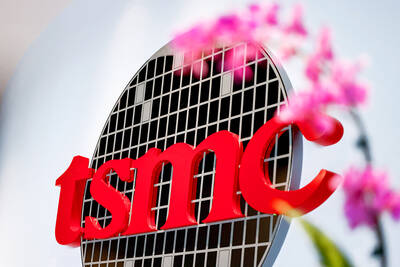
Taiwan Semiconductor Manufacturing Co (TSMC, 台積電) has approved a capital budget of US$31.28 billion for production expansion to meet long-term development needs during the artificial intelligence (AI) boom. The company’s board meeting yesterday approved the capital appropriation plan for purposes such as the installation of advanced technology capacity and fab construction, the world’s largest contract chipmaker said in a statement. At an earnings conference last month, TSMC forecast that its capital expenditure for this year would be at the higher end of the US$52 billion to US$56 billion range it forecast in January in response to robust demand for 5G, AI and
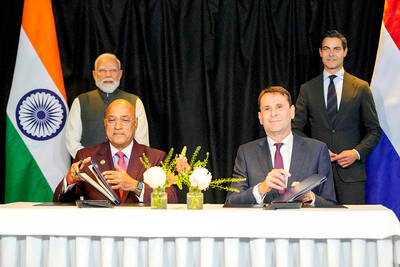
NEW MARKET: The partnership opens up India to the Dutch company, which already has a strong hold in the semiconductor market of South Korea, Taiwan and China ASML Holding NV entered into a partnership agreement with Tata Electronics Pvt Ltd aimed at ramping up India’s goal to develop domestic chip-manufacturing capabilities. The Dutch company’s technology would help power Tata Electronics’ planned 300 millimeter (mm) semiconductor foundry in Gujarat, according to a joint statement from the two companies on Saturday. The signing of a memorandum of understanding coincides with a visit by Indian Prime Minister Narendra Modi to the Netherlands, which is looking to deepen bilateral relations with New Delhi. ASML, whose top customers include Taiwan Semiconductor Manufacturing Co (台積電) and Samsung Electronics Co, makes lithography machines that can print
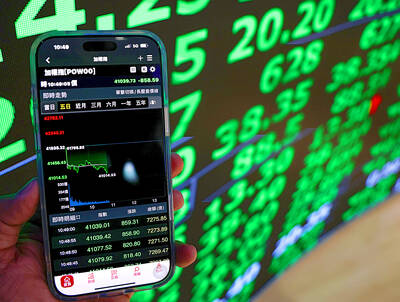
PORTFOLIO REBALANCING: The adjustments in three global equity indices reflect rising investor appetite for semiconductor and artificial intelligence-related stocks Taiwan’s weighting in major global equity indices compiled by MSCI Inc is to rise modestly following the latest quarterly review, underscoring the market’s expanding role in emerging-market portfolios, as global investors continue to favor the nation’s technology sector. Taiwan’s weighting in the MSCI Emerging Markets Index is to increase by 0.30 percentage points to 23.76 percent, after the changes take effect at the close of the May 29 session. Its weighting in the MSCI All-Country Asia ex-Japan Index is to rise 0.37 percentage points to 27.16 percent, while that in the MSCI All Country World Index is to edge up slightly to
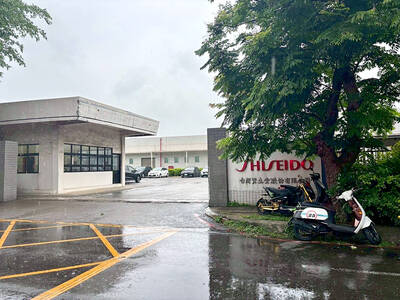
The Hsinchu County Government’s Labor Affairs Department yesterday said that it has received a plan from cosmetics brand Taiwan Shiseido Co (台灣資生堂) detailing mass layoffs at its plant in Hukou Township (湖口). While the labor authorities did not disclose the number of employees to be laid off, Japanese news media earlier in the day reported that the closure of the company’s factory in Hukou would result in 170 employees losing their jobs. Shiseido followed the law by reporting its layoff plan, the department said, adding that authorities would closely monitor negotiations between the management and affected employees and step in if any


 RSS
RSS