


Organizers of the Olympics said yesterday Beijing would ban half the city’s vehicles from the roads during the Games.
Vehicles will be allowed on the road on alternate days — depending on even or odd registration numbers — for a two-month period from July 20 until Sept. 20.
Taxis, buses and emergency vehicles are exempted. Some heavy polluting vehicles and those carrying dangerous substances will be banned altogether beginning on July 1.
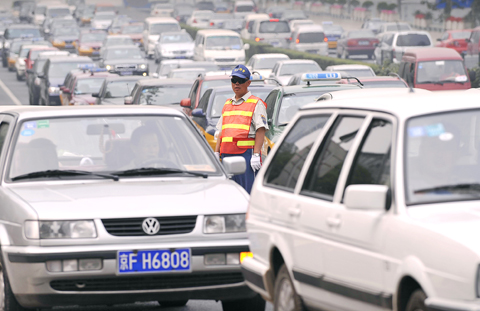
PHOTO: AFP
The plan will also prohibit most vehicles entering he city from outside Beijing. These vehicles will need special permits and will need to meet air quality standards.
The Beijing Olympics take place from Aug. 8 to Aug. 24 followed by the Paralympics from Sept. 6 to Sept. 17.
A similar plan was tested last summer in a four-day period. Beijing officials were set to unveil the complete plan later yesterday.
Five days after the July 20 ban goes into effect, special Olympic traffic lanes will begin operating and will stay in place until Sept. 25. The city will set aside 265km of roadway, where certified Olympic vehicles will be allowed to move from hotels, Olympic venues and the Athletes Village. The average speed is expected to be 35kph.
Setting aside special lanes, which has been done in previous Olympics, is the only way to move traffic through Beijing’s chaotic, crowded road system.
Beijing officials announced several months ago that during the same two-month period, most construction in the city will halt, heavy industries will close and even spray painting will stop — all measures meant to clean Beijing’s notoriously polluted air.
Some reports have suggested that production cutbacks will come even sooner.
A deadly earthquake last month and fierce, pro-Tibet protests on international legs of the Olympic torch relay have removed some of the scrutiny from Beijing’s chronic air pollution. However, air quality still remains an issue for the Games.
Many international athletes are choosing to train away from Beijing and enter just before competing, and others may wear facemasks while moving around the city. The world’s greatest distance runner, Haile Gebrselassie of Ethiopia, has decided not to run the Olympic marathon because the city’s pollution irritates his breathing.
International Olympic Committee president Jacques Rogge has said outdoor endurance events lasting more than an hour will be postponed if air quality is poor.


When a hiker fell from a 55m waterfall in wild New Zealand bush, rescuers were forced to evacuate the badly hurt woman without her dog, which could not be found. After strangers raised thousands of dollars for a search, border collie Molly was flown to safety by a helicopter pilot who was determined to reunite the pet and the owner. A week earlier, an emergency rescue helicopter found the woman with bruises and lacerations after a fall at a rocky spot at the waterfall on the South Island’s West Coast. She was airlifted on March 24, but they were forced to
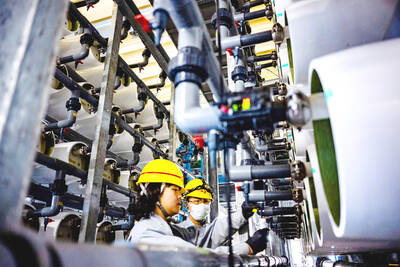
HIGH HOPES: The power source is expected to have a future, as it is not dependent on the weather or light, and could be useful for places with large desalination facilities A Japanese water plant is harnessing the natural process of osmosis to generate renewable energy that could one day become a common power source. The possibility of generating power from osmosis — when water molecules pass from a less salty solution to a more salty one — has long been known. However, actually generating energy from that has proved more complicated, in part due the difficulty of designing the membrane through which the molecules pass. Engineers in Fukuoka, Japan, and their private partners think they might have cracked it, and have opened what is only the world’s second osmotic power plant. It generates
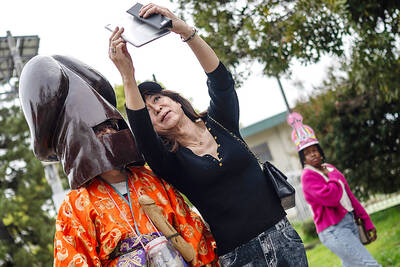
Showcasing phallus-shaped portable shrines and pink penis candies, Japan’s annual fertility festival yesterday teemed with tourists, couples and families elated by its open display of sex. The spring Kanamara Matsuri near Tokyo features colorfully dressed worshipers carrying a trio of giant phallic-shaped objects as they parade through the street with glee. The festival, as legend has it, honors a local blacksmith in the Edo Period (1603-1868) who forged an iron dildo to break the teeth of a sharp-toothed demon inhabiting a woman’s vagina that had been castrating young men on their wedding nights. A 1m black steel phallus sits in the courtyard of

Hundreds of Filipinos and tourists flocked to a sun-bleached field north of Manila yesterday, on Good Friday, to witness one of the country’s most blood-soaked displays of religious fervor, undeterred by rising fuel prices. Scores of bare-chested flagellants with covered faces walked barefoot through the dusty streets of Pampanga Province’s San Fernando as they flogged their backs with bamboo whips in the scorching heat. Agence France-Presse (AFP) journalists said they saw devotees deliberately puncturing their skin with glass shards attached to a small wooden paddle to ensure their bleeding during the ritual, a way to atone for sins and seek miracles from


 RSS
RSS