


After the nation opens up to tourists from China, tourism promoters should focus on catering to Chinese tourists' shopping habits in trying to attract more visitors from that country, a researcher from the Taiwan Institute of Economic Research (TIER) suggested yesterday.
Sun Ming-teh (
Citing a survey conducted by the marketing information company AC Nielsen and the Tax Free World Association of 1,500 Chinese tourists from Beijing, Shanghai and Guangzhou who visited Asian or European countries in the last six months, Sun said the consumption patterns of Chinese tourists are quite different from those of tourists from other countries.
According to the survey, Chinese tourists rank second in the world in terms of the amount of spending during a single foreign visit, trailing only Japanese tourists. However, in spending on shopping, Chinese tourists top the list at an average of US$987 per person.
Meanwhile, a survey conducted by Taiwan's Tourism Bureau last year showed that 47.5 percent of spending by foreign tourists in Taiwan is on hotel accommodations, followed by shopping at 21.3 percent. However, among Chinese tourists, including those from Hong Kong and Macau, spending on hotel accommodations stood at only 40.6 percent, while shopping accounted for a whopping 27.2 percent of total spending per visit.
Analyzing the results, Sun said that European and US tourists generally focus on "leisure and culture" on their vacations, demanding hotels with good facilities such as swimming pools and showing more interest in cultural performances and unique local handicrafts and artwork.
Chinese tourists, on the other hand, are not as concerned about the quality of their hotel and are more eager to visit popular tourist spots to take photos. They also tend to focus on shopping for items such as brand-name clothes, cosmetics, jewelry and electric home appliances, Sun said.
Most Chinese tourists come from wealthy coastal areas, and are government officials or employees of state enterprises, Sun said, adding that they generally tend to have higher incomes or enjoy government subsidies for air tickets, hotel accommodations and food.
While Taiwan's shopping environment is not superior to that of Hong Kong or Macau, and there is still no direct transport between the two sides of Taiwan Strait, Sun said Chinese tourists' spending levels in Taiwan were still high.
He suggested that domestic tourist agents focus on shopping that caters to the specific tastes of Chinese tourists to attract greater numbers of visitors from the potentially lucrative market.
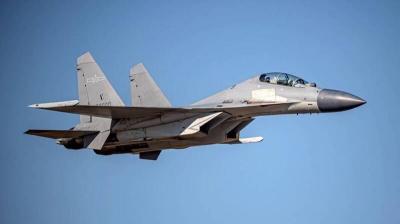
Eight Chinese naval vessels and 24 military aircraft were detected crossing the median line of the Taiwan Strait between 6am yesterday and 6am today, the Ministry of National Defense said this morning. The aircraft entered Taiwan’s northern, central, southwestern and eastern air defense identification zones, the ministry said. The armed forces responded with mission aircraft, naval vessels and shore-based missile systems to closely monitor the situation, it added. Eight naval vessels, one official ship and 36 aircraft sorties were spotted in total, the ministry said.
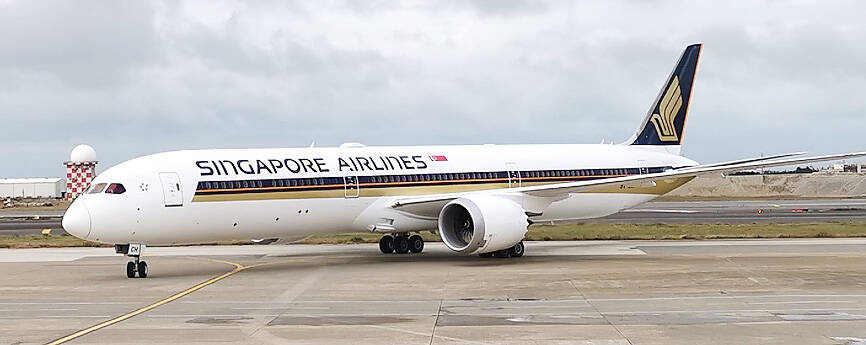
INCREASED CAPACITY: The flights on Mondays, Wednesdays, Fridays and Sundays would leave Singapore in the morning and Taipei in the afternoon Singapore Airlines is adding four supplementary flights to Taipei per week until May to meet increased tourist and business travel demand, the carrier said on Friday. The addition would raise the number of weekly flights it operates to Taipei to 18, Singapore Airlines Taiwan general manager Timothy Ouyang (歐陽漢源) said. The airline has recorded a steady rise in tourist and business travel to and from Taipei, and aims to provide more flexible travel arrangements for passengers, said Ouyang, who assumed the post in July last year. From now until Saturday next week, four additional flights would depart from Singapore on Monday, Wednesday, Friday
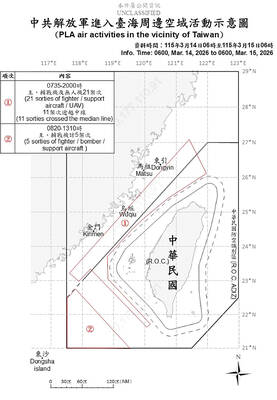
The Ministry of National Defense yesterday reported the return of large-scale Chinese air force activities after their unexplained absence for more than two weeks, which had prompted speculation regarding Beijing’s motives. China usually sends fighter jets, drones and other military aircraft around the nation on a daily basis. Interruptions to such routine are generally caused by bad weather. The Ministry of National Defense said it had detected 26 Chinese military aircraft in the Taiwan Strait over the previous 24 hours. It last reported that many aircraft on Feb. 25, when it spotted 30 aircraft, saying Beijing was carrying out another “joint combat
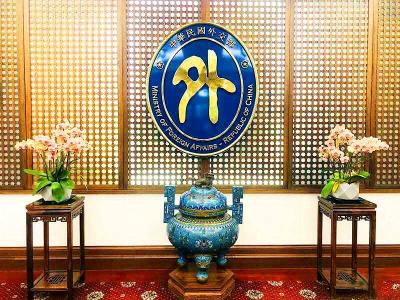
The Ministry of Foreign Affairs (MOFA) today said that if South Korea does not reply appropriately to its request to correct Taiwan’s name on its e-Arrival card system before March 31, it would take corresponding measures to alter how South Korea is labeled on the online Taiwan Arrival Card system. South Korea’s e-Arrival card system lists Taiwan as “China (Taiwan)” in the “point of departure” and “next destination” fields. The ministry said that it changed the nationality for South Koreans on Taiwan’s Alien Resident Certificates from “Korea” to “South Korea” on March 1, in a gesture of goodwill and based on the


 RSS
RSS