


From The Pain of Others (海巡尖兵, 2005) to Winds Of September (九降風, 2008), Tom Lin Shu-yu (林書宇) excels at drawing inspiration from personal experiences. With Zinnia Flower (百日告別), the director gets especially personal by using his latest film to deal with his grief over the 2012 death of his wife.
The film eschews elegiac cliches, but doesn’t evade pain and heartache. It tugs at the heartstrings with honesty, tenderness and intimacy. Karena Lam (林嘉欣) and Shih Chin-hang (石錦航), the film’s two leads, deliver heartfelt performances.
The film opens with a devastating car crash. Wei, played by Shih, loses his pregnant wife (Alice Ko, 柯佳嬿). Ming, played by Lam, loses her fiance (Umin Boya, 馬志翔).
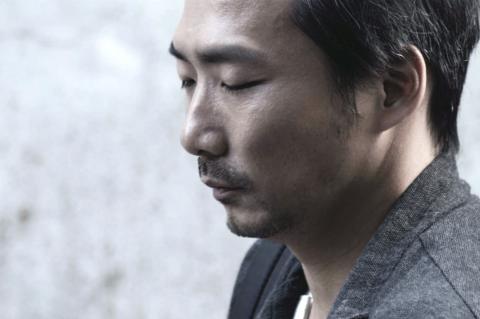
Photo courtesy of Atom Cinema
Overwhelmed by grief, Wei drinks heavily and takes his anger out on everyone around him. The quiet and introverted Ming embarks on a trip to Okinawa that she had planned to take with her fiance, but it does nothing to alleviate her pain and emptiness.
Ming and Wei meet each other at a Buddhist ritual where the bereaved mourn the dead for 100 days. The film ends on the 100th day after the last ceremony is completed.
Zinnia Flower adresses themes oft-ignored by Taiwanese movies, which mostly stay on the light, fun and emotionally frivolous side. Yet, the story is not all tears, as the characters come to realize that they are not alone in their suffering. Lam and Shih give nuanced performances, while Shih in particular shows that he is more than the talented lead guitarist Stone (石頭) from pop-rock band Mayday (五月天).
One disappointing thing about Zinnia Flower, though, is that it is missing the sex scene between Ming’s character and her fiance’s younger brother, played by Chang Shu-hao (張書豪). The 20-second long sequence elicited much controversy when the film premiered at the Taipei Film Festival (台北電影節) in July, and was consequently cut by Lin.
Lin reportedly says the removal of the scene doesn’t affect the story, but to this reviewer, who saw the version screened at the festival, those moments of intimacy offer a deeply moving moment of despair and a desperate longing to connect.

Exceptions to the rule are sometimes revealing. For a brief few years, there was an emerging ideological split between the Democratic Progressive Party (DPP) and Chinese Nationalist Party (KMT) that appeared to be pushing the DPP in a direction that would be considered more liberal, and the KMT more conservative. In the previous column, “The KMT-DPP’s bureaucrat-led developmental state” (Dec. 11, page 12), we examined how Taiwan’s democratic system developed, and how both the two main parties largely accepted a similar consensus on how Taiwan should be run domestically and did not split along the left-right lines more familiar in

This month the government ordered a one-year block of Xiaohongshu (小紅書) or Rednote, a Chinese social media platform with more than 3 million users in Taiwan. The government pointed to widespread fraud activity on the platform, along with cybersecurity failures. Officials said that they had reached out to the company and asked it to change. However, they received no response. The pro-China parties, the Chinese Nationalist Party (KMT) and Taiwan People’s Party (TPP), immediately swung into action, denouncing the ban as an attack on free speech. This “free speech” claim was then echoed by the People’s Republic of China (PRC),

As I finally slid into the warm embrace of the hot, clifftop pool, it was a serene moment of reflection. The sound of the river reflected off the cave walls, the white of our camping lights reflected off the dark, shimmering surface of the water, and I reflected on how fortunate I was to be here. After all, the beautiful walk through narrow canyons that had brought us here had been inaccessible for five years — and will be again soon. The day had started at the Huisun Forest Area (惠蓀林場), at the end of Nantou County Route 80, north and east
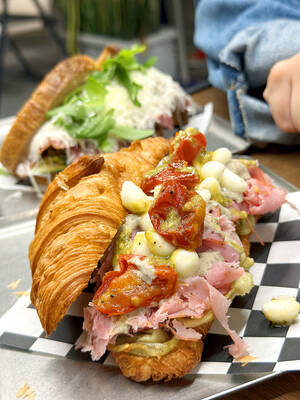
Specialty sandwiches loaded with the contents of an entire charcuterie board, overflowing with sauces, creams and all manner of creative add-ons, is perhaps one of the biggest global food trends of this year. From London to New York, lines form down the block for mortadella, burrata, pistachio and more stuffed between slices of fresh sourdough, rye or focaccia. To try the trend in Taipei, Munchies Mafia is for sure the spot — could this be the best sandwich in town? Carlos from Spain and Sergio from Mexico opened this spot just seven months ago. The two met working in the


 RSS
RSS